Post by : Sam Jeet Rahman
Dubai has long been seen as a city of opportunity, luxury, and tax-free income. However, in recent years, residents—both new arrivals and long-term expats—have noticed a clear shift: the cost of living in Dubai has increased across multiple categories. While the city still offers strong earning potential and a high standard of life, expenses in 2025 and moving into 2026 are noticeably higher than before.
This article provides a detailed, explained, and practical breakdown of what has gone up recently in Dubai, why these increases are happening, and what residents should realistically expect when planning their finances.
Dubai’s rising living costs are not random. They are the result of several interconnected factors.
First, population growth has accelerated. Dubai continues to attract professionals, entrepreneurs, investors, and tourists. Higher demand naturally pushes prices upward, especially for housing, schooling, and daily services.
Second, global inflation has affected import-heavy economies. Since Dubai imports a significant portion of its food, fuel-linked services, and consumer goods, global price increases directly impact local costs.
Third, post-pandemic demand recovery has reshaped the market. Tourism, real estate, hospitality, and retail have rebounded strongly, bringing price corrections in areas that were previously discounted.
Finally, infrastructure expansion and premium positioning play a role. Dubai continues to invest heavily in world-class infrastructure, which increases operating costs that are eventually passed on to consumers.
Housing is the single biggest contributor to the rising cost of living in Dubai.
Over the past two years, rental prices in popular residential areas have risen sharply. Communities such as Dubai Marina, Downtown Dubai, Business Bay, JVC, JBR, and Palm Jumeirah have seen double-digit rent increases.
The reasons are clear:
High demand from new residents
Limited availability of affordable units
Shift toward short-term rentals and holiday homes
Strong tourism-driven housing demand
Even mid-range areas that were once considered budget-friendly have experienced noticeable rent hikes.
Higher rent directly affects:
Disposable income
Savings potential
Ability to live closer to workplaces
Many residents are now compromising on apartment size, location, or amenities to manage costs.
Utilities in Dubai were once considered relatively manageable, but electricity, water, and cooling costs have increased.
Higher fuel-linked operating costs
Increased usage due to longer working-from-home hours
Rising district cooling charges in modern communities
Air conditioning remains the biggest contributor, especially during long summer months.
Higher DEWA bills even with similar usage
Increased chiller fees in apartment buildings
Additional service charges passed on by landlords
Utilities may not feel dramatic month-to-month, but over a year, they significantly impact living costs.
Dubai’s transportation system is efficient, but costs have risen.
Fuel prices fluctuate globally, but overall, residents are paying more than pre-2022 levels. This affects:
Daily commuters
Delivery services
Ride-hailing fares indirectly
While metro and bus fares remain relatively stable, increased usage and peak-hour crowding push many residents toward taxis or private vehicles, increasing monthly spending.
Car ownership has become more expensive due to:
Higher insurance premiums
Increased servicing costs
Rising spare part prices
Transportation may still be convenient, but it is no longer as economical as before.
Food expenses are rising steadily, even though changes may seem small on individual items.
Imported food inflation
Higher logistics and storage costs
Premium packaging and branding
Staples such as rice, dairy products, cooking oils, fruits, vegetables, and meat have all seen price increases.
Eating out in Dubai has become noticeably more expensive.
Restaurant prices have increased
Service charges and taxes add up
Portion sizes remain similar while prices rise
Casual dining is no longer cheap, and regular restaurant visits significantly affect budgets.
School fees are one of the most financially stressful areas for families in Dubai.
KHDA-approved fee hikes
Rising operational costs for schools
Higher teacher salary expectations
Demand for premium curriculums
British, IB, American, and Indian curriculum schools have all increased fees.
Beyond tuition, parents face:
Registration fees
Transport costs
Uniforms and books
Activity charges
Education inflation often outpaces salary growth, making long-term planning essential.
Healthcare in Dubai is high quality, but it is not cheap.
Health insurance premiums have increased due to:
Higher claim volumes
Rising treatment costs
Expanded coverage requirements
Even employer-provided plans often require higher employee contributions.
Consultations, diagnostics, and medicines have become more expensive. Specialized treatments and dental care significantly impact budgets.
Many households rely on support services.
Salaries for domestic help have increased due to:
Higher visa and sponsorship costs
Increased demand
Living expense adjustments
Daycare and nursery fees have risen, especially in premium locations. Working parents feel this increase strongly.
Dubai offers a vibrant lifestyle, but it comes at a price.
Gym memberships, personal training, and wellness services have increased in cost, particularly in branded facilities.
Movie tickets, events, beach clubs, and attractions are more expensive than before. What once felt affordable is now considered a luxury for many residents.
Internet and mobile plans in Dubai remain higher compared to many global cities.
Limited competition
Higher data usage
Premium service bundling
Households are paying more for faster speeds and bundled services.
Beyond health insurance, other financial expenses have increased.
Car, home, and travel insurance costs have risen due to:
Higher claim values
Increased replacement costs
Some banking services now carry higher charges, especially for premium or international services.
While salaries have increased in certain sectors, wage growth has not kept pace with living costs for many residents.
This results in:
Reduced monthly savings
Higher reliance on credit
Lifestyle adjustments
Delayed financial goals
Those without salary increments feel the pressure most.
Many residents are responding strategically.
Moving to emerging communities
Sharing accommodation
Budgeting more carefully
Reducing discretionary spending
Seeking higher-paying roles
Adaptability is becoming essential.
Despite rising expenses, Dubai continues to offer:
Tax-free income
Career growth opportunities
Safety and infrastructure
Global connectivity
The value proposition depends on income level, lifestyle expectations, and financial discipline.
Looking ahead, living costs are expected to remain elevated rather than fall.
Housing demand remains strong
Premium positioning continues
Inflation pressures persist
Planning and realistic budgeting are crucial for long-term stability.
Dubai is evolving. The city is no longer a low-cost destination but a high-value global city. Understanding where money goes and why costs are rising allows residents to make informed decisions rather than feel financially overwhelmed.
Living well in Dubai today requires awareness, planning, and adaptability.
This article is for general informational purposes only and reflects observed trends and common cost patterns in Dubai. Actual expenses may vary based on location, lifestyle, family size, and market conditions. The information provided does not constitute financial or relocation advice. Readers are encouraged to conduct personal research or consult professionals before making major financial or living decisions.

US Stocks Slide as AI Fears, Inflation and Oil Surge Weigh
US stocks dropped as AI disruption fears hit tech firms, inflation rose above forecasts, and oil pri

Pacific Prime Wins Top Honors at Cigna Awards 2026
Pacific Prime secured Top Individual Broker and Top SME Broker awards at Cigna’s Annual Broker Award
QatarEnergy Halts LNG Output After Military Attack
QatarEnergy has stopped LNG production after military attacks hit its facilities in Ras Laffan and M

Strong 6.1 Magnitude Earthquake Hits West Sumatra, No Damage
A 6.1 earthquake struck off West Sumatra, Indonesia. No casualties, damage, or tsunami alert reporte

Saudi Confirms Drone Strike on US Embassy Riyadh
Two drones hit the US Embassy in Riyadh, causing a small fire and minor damage. No injuries were rep

UAE Restarts Limited Flights as Regional Airspace Disruptions Continue
UAE restarts limited flights from Dubai as US-Israel attacks on Iran disrupt regional airspace, forc
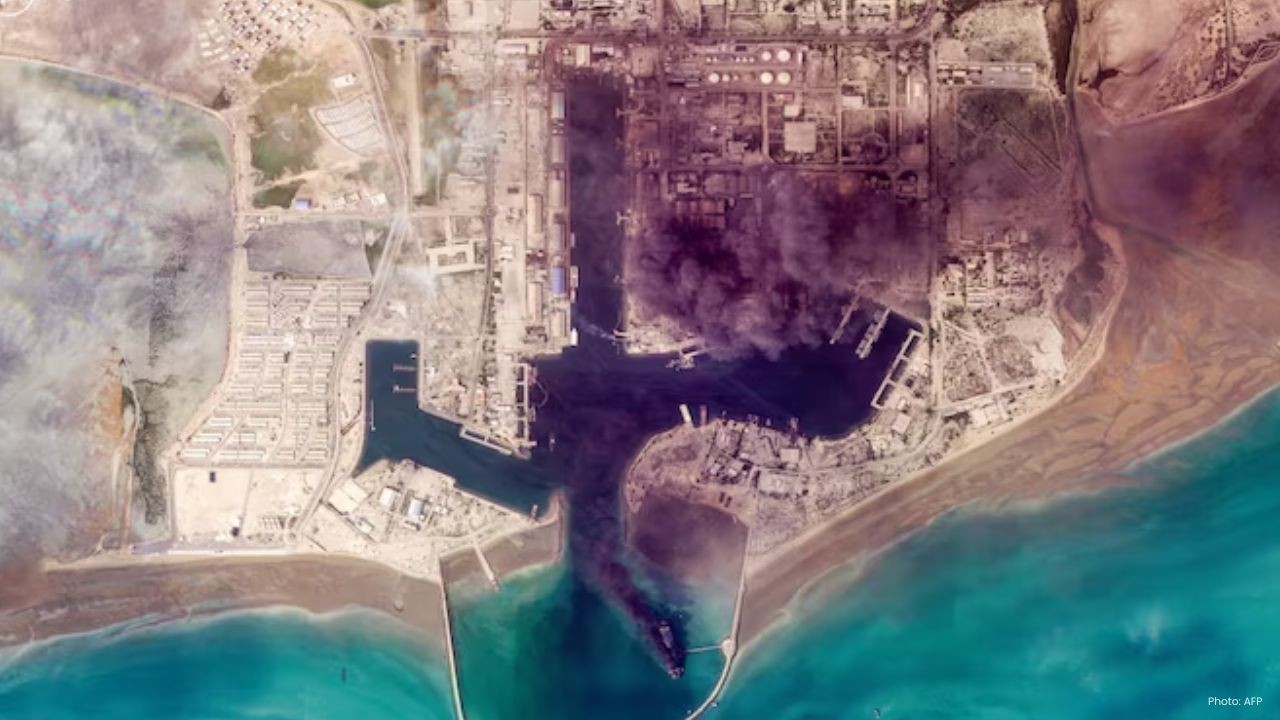
Asia Faces Energy Shock After Iran Closes Strait
Iran shuts Strait of Hormuz amid US-Israel strikes, sending oil prices higher and raising serious en


Bank of Baroda Faces Abu Dhabi Legal Battle over NMC Collapse
Bank of Baroda’s involvement in Abu Dhabi litigation tied to the NMC Healthcare collapse raises repu

Top Museum Openings of 2026 Set to Transform Global Tourism
From Los Angeles to Abu Dhabi and Brussels, 2026 brings major museum launches—Lucas Museum, Guggenhe

UAE Tour Highlights UAE’s Strength in Hosting Global Sports Events
Abu Dhabi Sports Council says the successful UAE Tour reflects the UAE’s leading role in hosting maj
EU Seeks Clarity from US After Supreme Court IEEPA Ruling
European Commission urges full transparency from the US on steps after Supreme Court ruling, emphasi
SpaceX Launches 53 New Satellites for Expanding Starlink Network
SpaceX launches 53 Starlink satellites in two Falcon 9 missions, breaking reuse records and expandin
RTA Awards Contract for Phase II of Hessa Street Upgrade in Dubai
Phase II of Hessa Street Development to add bridges, tunnel, and upgraded intersections, doubling ca

UAE Gold Prices Today, Monday 16 February 2026: Dubai & Abu Dhabi Updated Rates
Gold prices in UAE on 16 Feb 2026 updated: 24K around AED 599.75/gm, 22K AED 555.25/gm, and 18K AED

Over 25 Ahmedabad Schools Receive Bomb Threat Email, Authorities Investigate
More than 25 schools in Ahmedabad evacuated after bomb threat emails mentioning Khalistan. Authoriti