Post by : Michael Darzi
Coffee is one of the most loved drinks in the world. For some, it is the fuel that starts the morning. For others, it is the comfort they seek during long conversations with friends. And for many, it has become an art form worth celebrating. Coffee is no longer just about staying awake—it has turned into a culture, a lifestyle, and even a way of building communities.
In recent years, the coffee world has entered a new chapter known as the Third-Wave Coffee Movement. This is not just about drinking coffee; it is about experiencing it. From carefully selecting beans grown in small farms to experimenting with unique brewing styles, the Third Wave has given coffee lovers a chance to understand and enjoy coffee in a completely new way.
To understand today’s coffee scene, we need to go back in history. Coffee has developed through three important “waves,” each showing how people’s habits and values changed over time.
The first wave started in the late 19th and early 20th century. Coffee became widely available in homes and offices, thanks to instant coffee and mass production. Large companies sold coffee in tins, making it affordable and convenient. It was simple—just add hot water and your coffee was ready.
This wave was all about accessibility, not taste. People cared more about getting their daily caffeine quickly than about flavor or origin. While it introduced coffee to millions around the world, it didn’t offer much variety or richness in experience.
The second wave began in the late 20th century, when coffee became stylish and global. Big chains like Starbucks, Costa Coffee, and Tim Hortons opened cafés that transformed coffee into a lifestyle product.
People no longer just drank coffee at home—they visited cafés for cappuccinos, caramel lattes, and frappuccinos. These cafés provided cozy spaces to relax, meet friends, or even work on laptops. Coffee became an excuse to socialize and spend time outside.
The second wave also introduced customers to terms like “espresso,” “latte,” and “mocha,” making coffee drinking more fashionable. However, critics say it was still very commercial, with little attention to the deeper story behind the beans.
The third wave, which started in the early 2000s, is very different. It treats coffee the way people treat fine wine. Here, the focus is on quality, origin, and experience.
Coffee lovers now want to know:
Where were the beans grown?
How were they harvested?
What flavors can they expect in the cup?
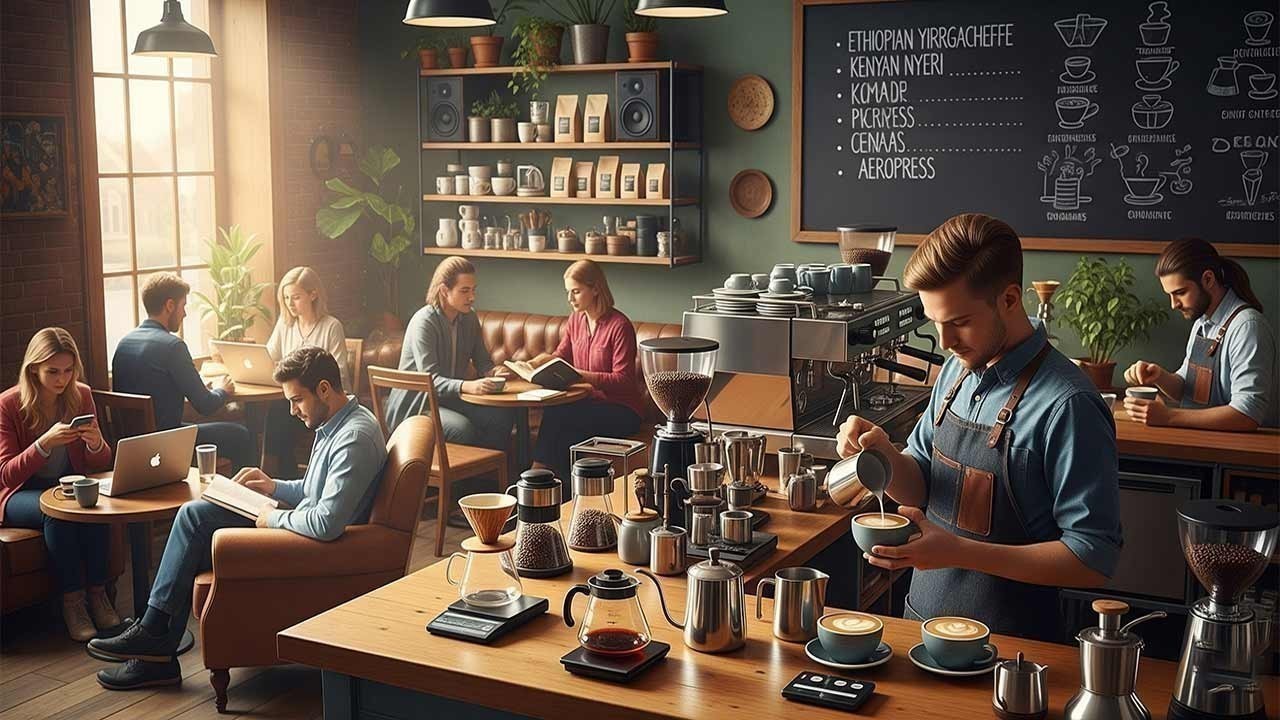
Baristas are seen as skilled craftspeople, not just servers. Brewing methods like pour-over, Chemex, and AeroPress are celebrated for bringing out delicate flavors. Customers taste floral, fruity, or nutty notes that were never noticed in earlier waves.
This wave values transparency, sustainability, and fairness. Many cafés work directly with farmers, ensuring they are paid well for their work. Coffee is no longer just about drinking—it is about respecting its journey from farm to cup.
Specialty cafés are at the center of the Third-Wave Movement. These cafés are different from commercial coffee shops in many ways. They focus on education, storytelling, and craft.
Here’s what makes them unique:
Single-Origin Beans
Instead of blending beans from many places, specialty cafés highlight beans from a single farm or region. For example:
Ethiopian beans taste bright and floral.
Colombian beans often taste like chocolate and caramel.
Brazilian beans are nutty and smooth.
This allows customers to appreciate the unique identity of each coffee-growing region.
Manual Brewing Methods
Specialty cafés use brewing techniques like siphon coffee, cold brew, or pour-over. These methods take time and care, but they give a cleaner and richer flavor. Customers often watch baristas preparing their coffee, making it a live performance.
Sustainability and Fair Trade
Many specialty cafés buy directly from farmers. This creates a fairer system where farmers are paid more and encouraged to grow coffee sustainably. Customers feel proud knowing their purchase supports communities and the environment.
Education and Experience
These cafés are also learning spaces. Baristas often share the background of the beans, explain brewing methods, or even host tasting sessions. Coffee lovers enjoy the process, not just the drink.
Coffee culture has spread everywhere, but some cities have become known as global coffee leaders.
Dubai: The city has seen a huge rise in specialty cafés. Nightjar, The Espresso Lab, and Drop Coffee are among the most popular. These cafés combine modern coffee science with local traditions. You can find Emirati-inspired drinks with saffron and cardamom alongside global trends like nitro cold brew.
Melbourne: Often called the coffee capital of the world, Melbourne is famous for its café culture. Places like Seven Seeds and Market Lane Coffee are leaders in specialty brewing. Coffee is so important here that cafés are part of the city’s identity.
New York City: In a city that never sleeps, coffee is essential. Cafés like Blue Bottle Coffee and Birch Coffee attract professionals, students, and creatives. They blend modern design with artisanal roasting, offering a break from the city’s fast pace.
Tokyo: Japan has given coffee a minimalist touch. Cafés like Onibus Coffee and % Arabica turn brewing into an art form. Customers enjoy precision, quietness, and balance in their coffee experience, reflecting Japanese culture.
Each of these cities shows how coffee is more than a drink—it is a way to build communities and express creativity.
One of the biggest changes in the Third Wave is the idea of mindful coffee drinking. Instead of quickly gulping down a cup, people are encouraged to enjoy it with all their senses.
Smell: Breathing in the aroma before the first sip.
Look: Observing the color and clarity of the brew.
Taste: Noticing whether it is fruity, nutty, floral, or chocolatey.
Feel: Paying attention to the texture and body of the coffee.
This approach turns coffee into an experience rather than just a daily habit. Many cafés now offer “cupping sessions,” where customers learn how to taste and compare different beans.
Dubai’s coffee scene reflects this cultural richness. You can find both traditional Arabic blends and international specialty coffees. The mix of tradition and innovation makes the city a true coffee hub.
The coffee world is still evolving. Experts believe the future will bring exciting changes, such as:
Technology in Brewing: Smart coffee machines may allow more precise brewing, but the personal touch of baristas will remain important.
Eco-Friendly Practices: From recyclable cups to zero-waste roasting, sustainability will play a bigger role in the coffee industry.
Community Spaces: Cafés will continue to grow as spaces where young people, artists, and entrepreneurs meet and share ideas.
Most importantly, coffee will continue to offer moments of mindfulness. In today’s fast-moving world, enjoying a carefully brewed cup is becoming a way to slow down and reconnect with oneself.
Coffee has traveled an amazing journey. From instant tins in the first wave to giant coffee chains in the second, and now to artisanal cafés in the third, it has become much more than a drink. The Third-Wave Coffee Movement proves that coffee is a story, a community, and an art form.
For Dubai and other global cities, this movement is more than a passing trend. It is an opportunity to create a coffee culture that connects international ideas with local traditions. And as every true coffee lover knows, the best coffee is not just tasted—it is experienced.
This article is written for educational and informational purposes only. The views shared here reflect general insights into global coffee culture and do not represent endorsements of specific brands or businesses. DXB News Network encourages readers to explore responsibly and make choices that suit their own preferences.

US Stocks Slide as AI Fears, Inflation and Oil Surge Weigh
US stocks dropped as AI disruption fears hit tech firms, inflation rose above forecasts, and oil pri

Pacific Prime Wins Top Honors at Cigna Awards 2026
Pacific Prime secured Top Individual Broker and Top SME Broker awards at Cigna’s Annual Broker Award
QatarEnergy Halts LNG Output After Military Attack
QatarEnergy has stopped LNG production after military attacks hit its facilities in Ras Laffan and M

Strong 6.1 Magnitude Earthquake Hits West Sumatra, No Damage
A 6.1 earthquake struck off West Sumatra, Indonesia. No casualties, damage, or tsunami alert reporte

Saudi Confirms Drone Strike on US Embassy Riyadh
Two drones hit the US Embassy in Riyadh, causing a small fire and minor damage. No injuries were rep
UAE Restarts Limited Flights as Regional Airspace Disruptions Continue
UAE restarts limited flights from Dubai as US-Israel attacks on Iran disrupt regional airspace, forc
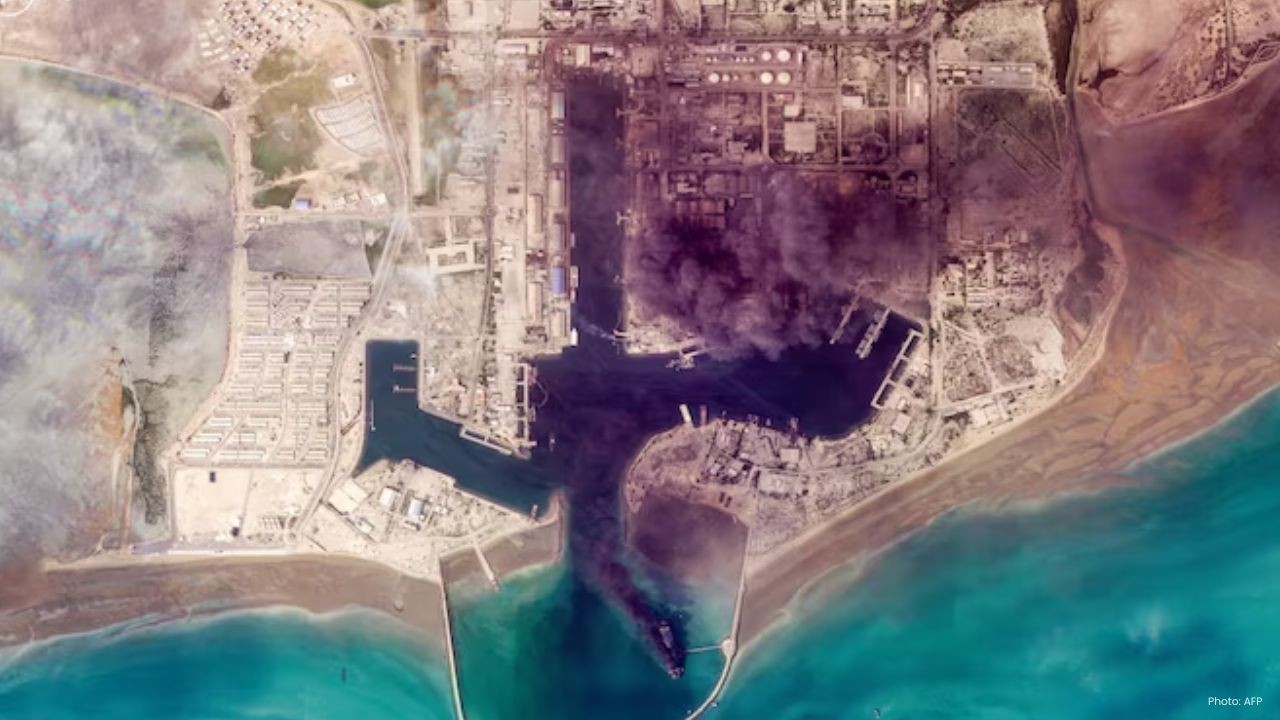
Asia Faces Energy Shock After Iran Closes Strait
Iran shuts Strait of Hormuz amid US-Israel strikes, sending oil prices higher and raising serious en


Bank of Baroda Faces Abu Dhabi Legal Battle over NMC Collapse
Bank of Baroda’s involvement in Abu Dhabi litigation tied to the NMC Healthcare collapse raises repu

Top Museum Openings of 2026 Set to Transform Global Tourism
From Los Angeles to Abu Dhabi and Brussels, 2026 brings major museum launches—Lucas Museum, Guggenhe

UAE Tour Highlights UAE’s Strength in Hosting Global Sports Events
Abu Dhabi Sports Council says the successful UAE Tour reflects the UAE’s leading role in hosting maj

EU Seeks Clarity from US After Supreme Court IEEPA Ruling
European Commission urges full transparency from the US on steps after Supreme Court ruling, emphasi

SpaceX Launches 53 New Satellites for Expanding Starlink Network
SpaceX launches 53 Starlink satellites in two Falcon 9 missions, breaking reuse records and expandin

RTA Awards Contract for Phase II of Hessa Street Upgrade in Dubai
Phase II of Hessa Street Development to add bridges, tunnel, and upgraded intersections, doubling ca

UAE Gold Prices Today, Monday 16 February 2026: Dubai & Abu Dhabi Updated Rates
Gold prices in UAE on 16 Feb 2026 updated: 24K around AED 599.75/gm, 22K AED 555.25/gm, and 18K AED

Over 25 Ahmedabad Schools Receive Bomb Threat Email, Authorities Investigate
More than 25 schools in Ahmedabad evacuated after bomb threat emails mentioning Khalistan. Authoriti