Post by : Anis Karim
Travellers who love scenic drives, seaside ferries or coastal train rides may be in for a fresh wave of excitement this season: several key coastal routes have reopened following comprehensive safety inspections. These reopened corridors — many of which had been temporarily closed or restricted — now offer improved access, renewed infrastructure, enhanced signage and a refreshed sense of adventure for weekenders, long-haul road-trippers and nature-lovers alike.
Passenger interest has already surged following the announcements. Families, couples, solo travellers and even daily commuters are downloading triggers to explore these routes afresh. But beyond the natural beauty, the reopening comes with key expectations: new safety features, updated transport options, revised travel schedules and some necessary adjustments for users to know. This article walks you through what these reopened coastal routes mean for you, the practical travel changes you’ll encounter and how to make the most of this restored access.
Coastal routes face a range of risks that inland roads often avoid — from erosion and landslides to weather-induced damage and infrastructure wear. The recent inspection wave focused on several critical areas.
Many stretches of coastal roads and rail lines were built decades ago, and constant exposure to salt water, wind and waves accelerates wear. Bridges, tunnels, retaining walls and pavement surfaces require specialised monitoring.
Storm surges, heavy rainfall, sea-level rise and wind-driven erosion were identified as growing threats. Safety inspectors prioritised zones where coastal geology and recent weather events increased vulnerability.
Ferry terminals, coastal bus routes, boardwalks and viewing platforms also required review. Inspectors assessed load-bearing structures, evacuation routes and emergency signage.
Some coastal routes had been hosting increasing numbers of tourists, making low-capacity segments more risky. The inspections aimed to bring these segments up to modern safety standards.
In many jurisdictions, safety standards for routes along the coast had not kept pace with engineering advances. The inspection programme resolved legacy issues and updated standards.
Because of these reasons, the reopening of coastal routes after inspection is more than a cosmetic change — it signifies meaningful improvement in traveller safety, access and experience.
The specifics vary by region, but several common features characterise the reopened routes:
Key highway segments along shorelines, previously restricted due to landslide risk or structural weakness, have been reopened with improved barriers, realigned curves and enhanced warning signage.
Trains running along ocean-facing tracks that were halted for inspection are now back in service. Some have new speed limits in vulnerable sections and clearer evacuation pathways.
Ferry routes that had operational pauses due to terminal inspections or boarding-ramp repairs have resumed. Some sea-bridge spans reopened with updated load-checks and emergency exits.
Walkways adjacent to beaches and cliffs were closed earlier this season. They have now reopened with reinforced supports, non-slip surfaces and clear signage.
Some regional buses that run along coastal roads at dusk or dawn have added safety lighting, GPS-based monitoring and improved driver-communication systems.
For travellers, this means that while the routes are open, they come with fresh features and some new rule sets.
Some highway sections now carry lower speed limits where the roadway is still stabilising. Occasional flag-controls may be in place during adverse conditions.
Expect more warning signs about potential rockfall, narrow lanes, sea-spray hazards, and sensors that monitor slope stability. Electronic display boards may alert drivers to closures or weather threats.
Operators may impose traffic-controls, partial closures, or alternate routing during storms or strong winds. Stay flexible and informed.
Ferries and coastal trains may run fewer daily departures initially while system reliability is evaluated. Early morning or late-night services may remain limited for safety checks.
Walkways near cliff-faces will now include railings, real-time hazard alerts and clear evacuation routes in case of landslide or sudden high tides.
On high-demand days, some routes may require advance booking for vehicles or ferries to avoid congestion and maintain safety quotas.
Even though the routes are open, travellers should expect occasional works — lane-closures, detours or equipment-installations at junction points. Accepting minor delays improves experience.
Even more than before, coastal weather matters. Travellers should check tide forecasts, wind advisories and local bulletins before planning.
Before you head out, visit the regional transport authority’s website or check social-media updates for last-minute notifications on closures or conditions.
Ensure your tyres are in good shape, brakes are sound (because you may encounter sharp curves or tidal spray), and that you have emergency supplies in case of sudden delays.
Even in warm weather, coastal routes can be windy or misty. Bring a light jacket, waterproof layer, sunglasses and ear protection if you plan to ride a bike or scooter.
Many reopened routes now feature smartphone apps that send alerts on rockfall risk, route closures or alternate detours. Having these downloaded improves safety.
To fully enjoy the scenery, and avoid traffic or closures, aim for mid-morning departure or early afternoon rather than peak holiday afternoons.
Given new safety requirements, timetable changes or alternate routing may surface. Allow buffer time in your itinerary rather than cutting it short.
If a ferry or coastal train is available, consider using it — it may offer panoramic views along with elevated safety compared to older road segments.
Just because a route is open doesn’t mean all hazards are cleared. Stay within designated lanes and walkways, observe posted warnings, and avoid cliff-edges or rough terrain.
Travellers gain access to vistas and landscapes previously off-limits or restricted. The reinstated routes often offer better layouts, clearer views and fewer obstructions.
The upgraded infrastructure means less likelihood of unplanned diversions, sudden closures or unsafe conditions midway.
With the reopening, expect new photo spots, viewpoint platforms, coastal cycling lanes, ferry-trail combinations and lookout points integrated into the travel experience.
Small towns along the reopened corridor are seeing renewed visitor interest. Cafés, guest-houses, rental services and craft-market vendors benefit from improved access.
Parents, elderly passengers and less-experienced drivers can now traverse routes previously deemed challenging with greater confidence.
These benefits combine to refresh the notion of a “day-out by the coast” for many travellers.
Coastal environments remain vulnerable. Strong wind gusts, high tides or rough seas can still force temporary restrictions.
Even after reopening, some segments remain tight, winding or with limited visibility — remain alert and cautious.
As availability increases, some routes will attract more traffic; parking may be full, lookout points crowded or amenities stretched.
Some infrastructure components are still completing final works. Be patient with possible detours or marked lanes.
In remote coastal terrain, mobile coverage may be weak; ensure someone knows your plan and arrival time.
Several early travellers have shared their experiences this week:
A cycling group reported the new designated coastal cycle lane offered smooth curves, minimal traffic and stunning sunrise views — much better than older informal lanes.
A family on a ferry-plus-boardwalk outing praised the newly refurbished quay and safe walkways — their toddler could roam freely without danger.
A photographer noted that new viewing platforms allow angle-free sea lines and dramatic shots of cliff-face geology.
A small rental car visitor mentioned arrival time was halved thanks to upgraded bypass sections and fewer construction holds.
These testimonials suggest the reopened routes are performing well under real-world use.
As inspection schedules continue, more adjacent coastal branches may reopen soon, expanding the network.
Improved lighting and signage may make some routes safer for evening drives, broadening travel windows.
Expect bundled tickets combining ferry, train, bike rental and scenic stops for one-day exploration.
Infrastructure sensors are likely to expand, with real-time alerts delivered via apps for rockfall risk, tides or lane closures.
Some regions may launch coastal-route festivals, scenic-drive weekends or cycling challenges to promote the reopened corridors.
These developments suggest the reopening is just the start of a longer transformation in coastal travel offerings.
The reopening of coastal routes after thorough safety inspections is exciting for travellers, and also a sign of evolving travel infrastructure that blends adventure with higher reliability. Whether you’re planning a serene seaside drive, an active coastal cycling day, a family outing by the water or simply a scenic train ride, these reopened routes offer refreshed options — but with new expectations.
By preparing thoughtfully, checking advisories, and embracing the improved access, you can convert what was once a logistical challenge into a smooth, memorable coastal journey. The coast is open again — and with upgraded safety, smarter access and fresh viewpoints, now is a great time to rediscover it.
This article is intended for informational and travel-lifestyle purposes only. Conditions, access, transport services and safety statuses may vary by region and day. Readers should check local advisories, official route information and weather forecasts before planning their trip.

US Stocks Slide as AI Fears, Inflation and Oil Surge Weigh
US stocks dropped as AI disruption fears hit tech firms, inflation rose above forecasts, and oil pri

Pacific Prime Wins Top Honors at Cigna Awards 2026
Pacific Prime secured Top Individual Broker and Top SME Broker awards at Cigna’s Annual Broker Award

QatarEnergy Halts LNG Output After Military Attack
QatarEnergy has stopped LNG production after military attacks hit its facilities in Ras Laffan and M

Strong 6.1 Magnitude Earthquake Hits West Sumatra, No Damage
A 6.1 earthquake struck off West Sumatra, Indonesia. No casualties, damage, or tsunami alert reporte
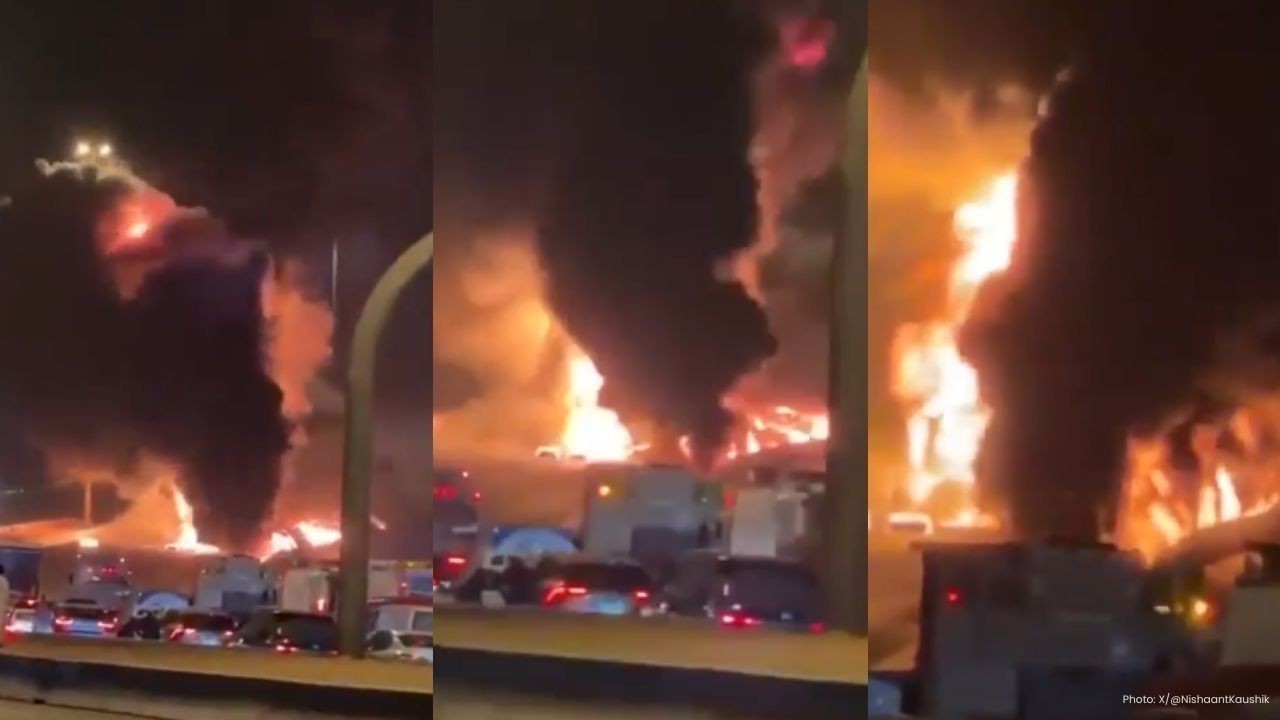
Saudi Confirms Drone Strike on US Embassy Riyadh
Two drones hit the US Embassy in Riyadh, causing a small fire and minor damage. No injuries were rep

UAE Restarts Limited Flights as Regional Airspace Disruptions Continue
UAE restarts limited flights from Dubai as US-Israel attacks on Iran disrupt regional airspace, forc
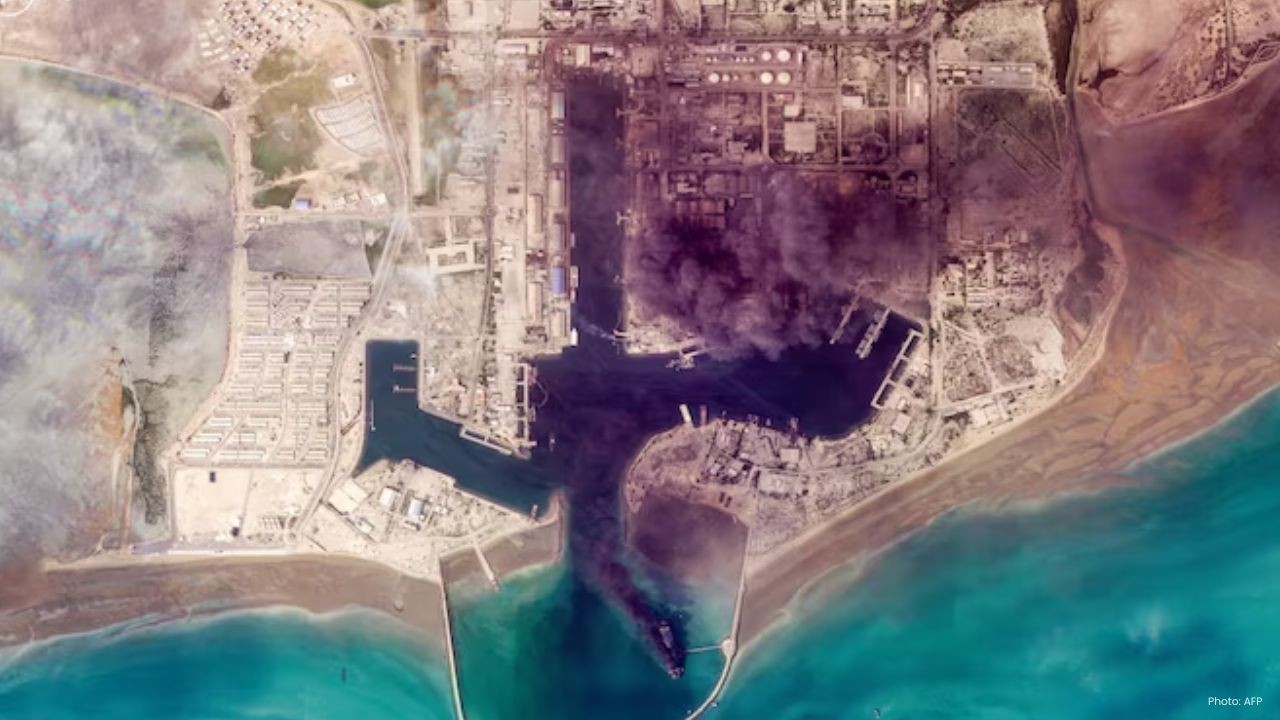
Asia Faces Energy Shock After Iran Closes Strait
Iran shuts Strait of Hormuz amid US-Israel strikes, sending oil prices higher and raising serious en


Bank of Baroda Faces Abu Dhabi Legal Battle over NMC Collapse
Bank of Baroda’s involvement in Abu Dhabi litigation tied to the NMC Healthcare collapse raises repu

Top Museum Openings of 2026 Set to Transform Global Tourism
From Los Angeles to Abu Dhabi and Brussels, 2026 brings major museum launches—Lucas Museum, Guggenhe

UAE Tour Highlights UAE’s Strength in Hosting Global Sports Events
Abu Dhabi Sports Council says the successful UAE Tour reflects the UAE’s leading role in hosting maj

EU Seeks Clarity from US After Supreme Court IEEPA Ruling
European Commission urges full transparency from the US on steps after Supreme Court ruling, emphasi
SpaceX Launches 53 New Satellites for Expanding Starlink Network
SpaceX launches 53 Starlink satellites in two Falcon 9 missions, breaking reuse records and expandin

RTA Awards Contract for Phase II of Hessa Street Upgrade in Dubai
Phase II of Hessa Street Development to add bridges, tunnel, and upgraded intersections, doubling ca

UAE Gold Prices Today, Monday 16 February 2026: Dubai & Abu Dhabi Updated Rates
Gold prices in UAE on 16 Feb 2026 updated: 24K around AED 599.75/gm, 22K AED 555.25/gm, and 18K AED

Over 25 Ahmedabad Schools Receive Bomb Threat Email, Authorities Investigate
More than 25 schools in Ahmedabad evacuated after bomb threat emails mentioning Khalistan. Authoriti