Post by : Anis Karim
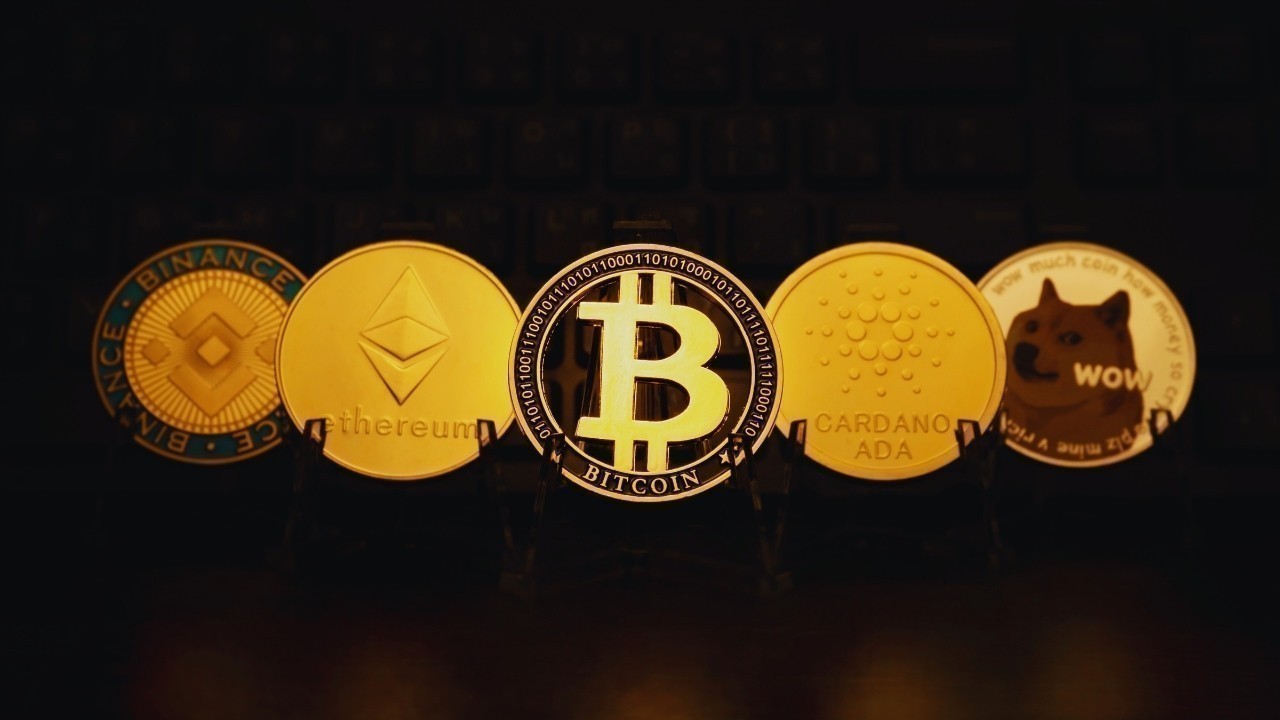
Over the past decade, cryptocurrency has evolved from a niche innovation into one of the most talked-about sectors of modern finance. While Bitcoin remains the pioneer and most recognized digital currency, the year 2025 marks a pivotal turning point. The narrative has expanded beyond Bitcoin — toward an era driven by decentralized finance (DeFi), blockchain infrastructure, stablecoins, tokenized real-world assets, and institutional adoption.
This shift is not just visible in investment portfolios but also in how people search, trade, and talk about cryptocurrencies. Search trends reveal that interest is increasingly moving toward altcoins, new blockchain ecosystems, and digital-asset applications in everyday life. In essence, crypto is no longer just a speculative bet; it is becoming a pillar of the modern financial ecosystem.
For years, Bitcoin symbolized financial freedom and digital gold. It still holds immense value and influence, but the crypto world has grown significantly more diverse. The growth of alternative blockchains like Ethereum, Solana, and Avalanche, along with the emergence of decentralized finance protocols and stablecoins, has made the digital asset landscape much richer.
Bitcoin’s dominance, which once hovered near 70% of the total crypto market capitalization, has steadily decreased. The focus has shifted toward new forms of digital utility — from lending and borrowing platforms to tokenized assets and cross-chain networks that promise scalability, efficiency, and real-world use cases.
Investors today are asking new questions: “Which blockchain offers the best infrastructure?” “How can tokenized assets generate passive income?” “What role will regulation play in legitimizing the crypto industry?” These questions are reshaping how people perceive value in the digital economy.
Ethereum remains the leading smart-contract platform, powering thousands of decentralized applications, but it’s no longer alone in the race. Chains like Solana, Polygon, and Cardano have emerged with improved transaction speeds, lower fees, and unique ecosystems that appeal to developers and investors alike.
In 2025, scalability and interoperability have become the top priorities. The blockchain world is moving toward Layer-2 solutions — technologies designed to make transactions faster and cheaper without sacrificing security. This innovation has led to a boom in decentralized apps that handle everything from gaming and NFT trading to decentralized social networks.
These newer chains are no longer just “Ethereum alternatives.” They are building their own identities — attracting venture capital, partnerships with global brands, and government pilot projects. Their rise underscores a simple truth: blockchain technology is maturing beyond its experimental phase and entering real-world implementation.
Stablecoins have become the backbone of digital finance. By pegging their value to fiat currencies like the US dollar, they offer a bridge between the crypto and traditional banking systems. In 2025, the use of stablecoins for remittances, e-commerce, and decentralized trading has skyrocketed.
For millions across emerging economies, stablecoins represent a stable and efficient means of transacting online. Their popularity also highlights a deeper transformation: crypto is no longer just about speculation but about practical utility. Businesses now use stablecoins to settle cross-border payments in minutes, cutting out costly intermediaries.
At the same time, regulatory authorities are paying closer attention, introducing frameworks to ensure transparency and reserve compliance. As digital finance merges with traditional systems, stablecoins are paving the way for what could eventually become government-backed digital currencies, or Central Bank Digital Currencies (CBDCs).
Decentralized Finance — or DeFi — has grown into one of the most innovative areas of crypto. It allows users to lend, borrow, and earn interest without banks or intermediaries. In 2025, DeFi is moving from a niche experiment to a mainstream alternative to traditional finance.
Platforms offering staking, yield farming, and decentralized exchanges have matured significantly. Security audits, transparency measures, and insurance protocols have made DeFi safer and more attractive to everyday investors. What was once viewed as a high-risk playground is now becoming a legitimate ecosystem.
DeFi’s potential lies in its inclusivity. In regions where banking access is limited, decentralized applications offer individuals control over their finances. This democratization of financial services is one of the most powerful outcomes of the crypto revolution.
One of the biggest breakthroughs in 2025 is the tokenization of real-world assets (often called RWAs). From real estate and fine art to commodities and equities, almost anything of value can now be represented digitally on a blockchain.
Tokenization breaks down ownership into small, tradeable digital tokens, allowing individuals to invest in assets previously reserved for the wealthy. Imagine owning a small share of a luxury apartment in Dubai or a piece of fine art stored in London — all managed securely through blockchain technology.
This evolution has enormous implications for the global economy. By removing barriers to entry, tokenization democratizes wealth creation and diversifies investment opportunities. It also introduces transparency, as ownership records are permanently stored on the blockchain, reducing fraud and paperwork.
What sets 2025 apart is the level of institutional involvement in the crypto industry. Major financial institutions, hedge funds, and multinational corporations are now active participants in digital-asset markets.
The approval of spot crypto exchange-traded funds (ETFs) in several countries has legitimized the sector. Institutional investors are also exploring tokenized bonds, digital gold, and blockchain-based settlement systems. This influx of traditional capital signals that cryptocurrencies are no longer fringe assets — they are becoming an integrated part of the financial ecosystem.
With this adoption, however, comes responsibility. Institutions are pushing for greater transparency, secure custody solutions, and regulatory compliance. These changes may slow down the Wild West phase of crypto, but they are essential for long-term sustainability.
Regulation has always been a double-edged sword in the crypto world. Too little leads to chaos and scams; too much can stifle innovation. In 2025, the balance is slowly being achieved. Governments are realizing that digital assets are here to stay, and they are creating policies to protect investors while fostering innovation.
Countries across Europe, Asia, and the Middle East are implementing clear frameworks for digital-asset taxation, anti-money-laundering protocols, and crypto licensing. This regulatory clarity is encouraging global companies to participate openly, fueling industry growth.
However, the challenge remains global coordination. Each country has its own approach, creating a fragmented regulatory landscape. Over time, the push for standardization could lead to international cooperation — similar to how the internet once moved from chaos to cohesion.
The influence of crypto extends far beyond finance. It has become a cultural movement, shaping art, entertainment, and even politics. From the rise of NFT-based communities to fan tokens in sports and entertainment, digital assets are blending finance with culture like never before.
Younger generations see crypto not just as an investment but as a lifestyle — one that values decentralization, transparency, and empowerment. Communities around digital coins, NFT collections, and blockchain games are creating new forms of identity and belonging.
The idea of “ownership” itself is being redefined — from owning physical assets to holding digital rights that have real-world value. This social transformation is perhaps the most overlooked yet powerful aspect of the crypto movement.
Despite its progress, the crypto industry still faces significant challenges. Market volatility continues to deter cautious investors. Security risks, such as smart-contract hacks or exchange vulnerabilities, occasionally shake confidence. Additionally, misinformation and speculative hype can distort the true potential of the technology.
Environmental concerns, particularly surrounding proof-of-work mining, are also driving debate. While many new blockchains now use energy-efficient consensus mechanisms, sustainability remains a critical issue that the industry must address collectively.
Ultimately, the biggest challenge is education. Many still perceive cryptocurrency as either a get-rich-quick scheme or a complex technological puzzle. To ensure long-term adoption, the industry must simplify communication, promote literacy, and highlight the real-world benefits of decentralized technology.
The next phase of cryptocurrency will likely be defined by integration rather than isolation. The line between traditional finance and digital finance will continue to blur as both worlds adopt elements from each other.
Blockchain technology will underpin financial systems, digital identities, supply-chain verification, and even voting mechanisms. Crypto assets will coexist with national digital currencies, giving consumers more flexibility and control than ever before.
By 2030, the term “crypto” itself may fade into the background, replaced by a broader concept of “digital assets” — seamlessly woven into the global economy. The story that began with Bitcoin will continue to evolve, shaping a financial future that is more open, inclusive, and decentralized.
The cryptocurrency narrative in 2025 is far more sophisticated than it was a decade ago. Bitcoin remains the cornerstone, but the spotlight has shifted toward innovation, practicality, and inclusivity. The rise of DeFi, stablecoins, tokenized assets, and institutional involvement has transformed crypto into a legitimate pillar of modern finance.
As global awareness grows and regulation finds its balance, the path ahead looks promising. The transformation we are witnessing is not merely technological — it is philosophical. It represents a collective desire for transparency, empowerment, and equality in the world of money.
The age of speculation is giving way to an age of substance. Cryptocurrency is no longer a question of “if,” but “how far” it will reshape our financial reality.
The information provided in this article is for educational and informational purposes only. It does not constitute financial or investment advice. Cryptocurrencies are highly volatile and subject to market risks. Readers should conduct their own research and seek professional guidance before making any investment decisions.

US Stocks Slide as AI Fears, Inflation and Oil Surge Weigh
US stocks dropped as AI disruption fears hit tech firms, inflation rose above forecasts, and oil pri

Pacific Prime Wins Top Honors at Cigna Awards 2026
Pacific Prime secured Top Individual Broker and Top SME Broker awards at Cigna’s Annual Broker Award

QatarEnergy Halts LNG Output After Military Attack
QatarEnergy has stopped LNG production after military attacks hit its facilities in Ras Laffan and M

Strong 6.1 Magnitude Earthquake Hits West Sumatra, No Damage
A 6.1 earthquake struck off West Sumatra, Indonesia. No casualties, damage, or tsunami alert reporte

Saudi Confirms Drone Strike on US Embassy Riyadh
Two drones hit the US Embassy in Riyadh, causing a small fire and minor damage. No injuries were rep

UAE Restarts Limited Flights as Regional Airspace Disruptions Continue
UAE restarts limited flights from Dubai as US-Israel attacks on Iran disrupt regional airspace, forc

Asia Faces Energy Shock After Iran Closes Strait
Iran shuts Strait of Hormuz amid US-Israel strikes, sending oil prices higher and raising serious en


Bank of Baroda Faces Abu Dhabi Legal Battle over NMC Collapse
Bank of Baroda’s involvement in Abu Dhabi litigation tied to the NMC Healthcare collapse raises repu

Top Museum Openings of 2026 Set to Transform Global Tourism
From Los Angeles to Abu Dhabi and Brussels, 2026 brings major museum launches—Lucas Museum, Guggenhe

UAE Tour Highlights UAE’s Strength in Hosting Global Sports Events
Abu Dhabi Sports Council says the successful UAE Tour reflects the UAE’s leading role in hosting maj
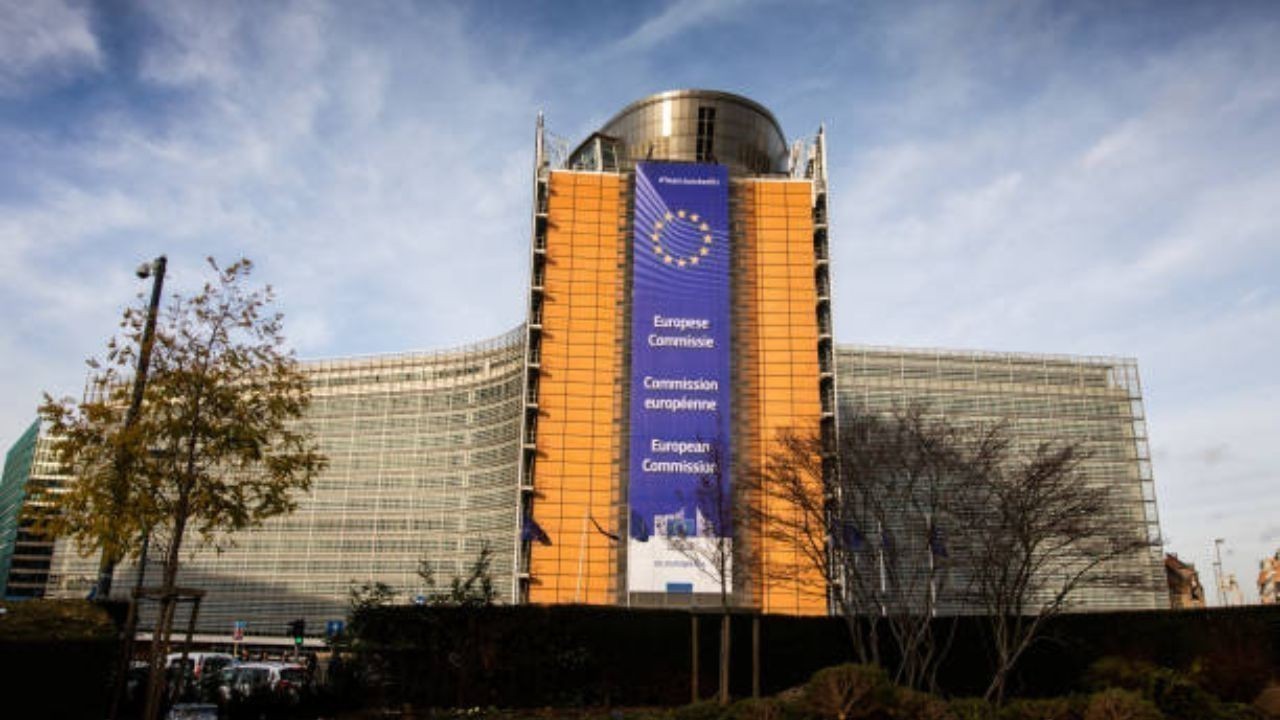
EU Seeks Clarity from US After Supreme Court IEEPA Ruling
European Commission urges full transparency from the US on steps after Supreme Court ruling, emphasi

SpaceX Launches 53 New Satellites for Expanding Starlink Network
SpaceX launches 53 Starlink satellites in two Falcon 9 missions, breaking reuse records and expandin

RTA Awards Contract for Phase II of Hessa Street Upgrade in Dubai
Phase II of Hessa Street Development to add bridges, tunnel, and upgraded intersections, doubling ca

UAE Gold Prices Today, Monday 16 February 2026: Dubai & Abu Dhabi Updated Rates
Gold prices in UAE on 16 Feb 2026 updated: 24K around AED 599.75/gm, 22K AED 555.25/gm, and 18K AED

Over 25 Ahmedabad Schools Receive Bomb Threat Email, Authorities Investigate
More than 25 schools in Ahmedabad evacuated after bomb threat emails mentioning Khalistan. Authoriti