Post by : Shivana Kareem
Magnesium is an essential mineral involved in over 300 biochemical reactions in the human body, influencing muscle function, nerve signaling, energy production, and cognitive health. As of 2025, global awareness of magnesium deficiency is rising due to modern diets and lifestyle habits. Social media trends, such as the October 19, 2025 X post by @food_health_joy, have further highlighted the diverse magnesium forms and their health benefits, fueling interest in supplements and personalized nutrition.
Many adults fail to meet the recommended dietary allowance (RDA) of 310–420 mg per day. Deficiency can result from inadequate dietary intake, stress, gastrointestinal disorders, or certain medications. Symptoms include muscle cramps, fatigue, anxiety, sleep disturbances, and even cognitive decline. In the Middle East, diets high in processed foods and low in leafy greens contribute to regional magnesium insufficiency, prompting increased supplement use.

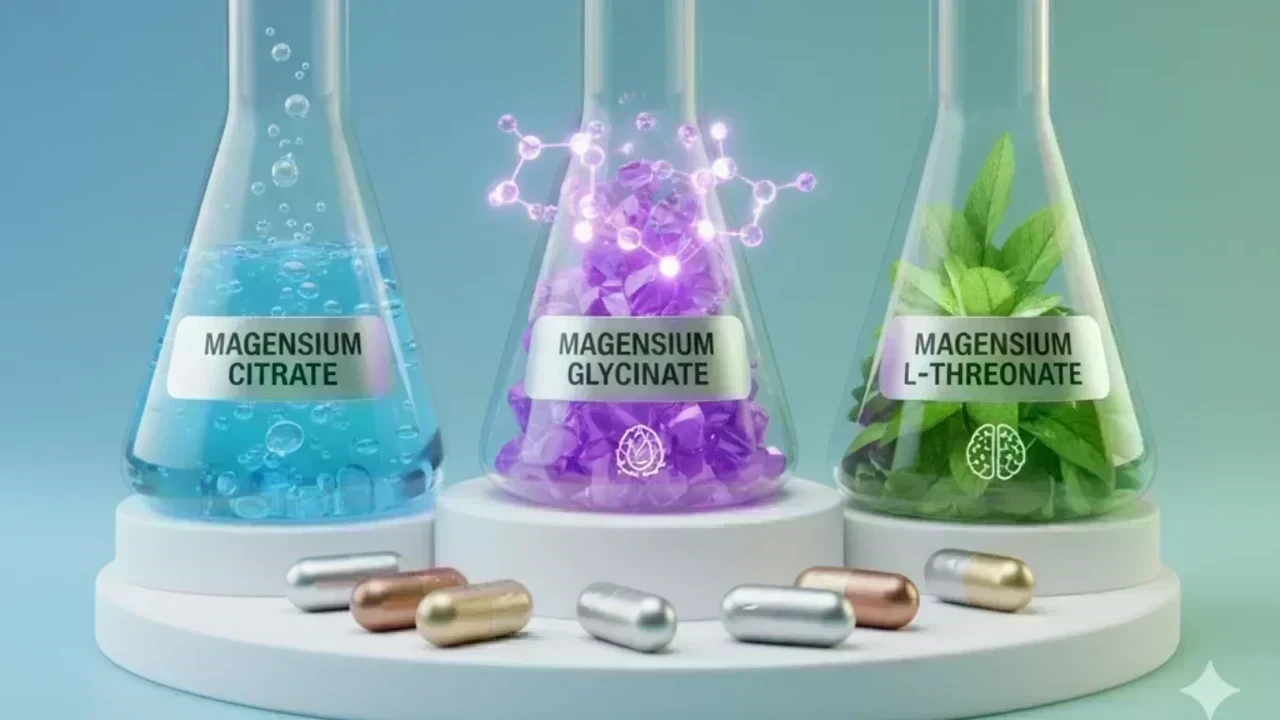
Magnesium citrate is well-known for digestive support and relieving constipation. A 2019 PMC study found that citrate is absorbed 25% better than magnesium oxide, making it a preferred option for gut health. Recommended dosage ranges from 200–400 mg per day, though excessive intake may cause diarrhea.
Glycinate is chelated with glycine, enhancing absorption and calming effects. The 2021 Journal of Research in Medical Sciences reported reduced anxiety in 89% of participants using glycinate supplements. This form is ideal for improving sleep quality and minimizing gastrointestinal side effects.
Threonate shows promise in supporting cognitive function. A 2016 Neuron study indicated improved memory in aging mice, with ongoing human trials exploring its effects. It is increasingly marketed for brain health and neuroprotection, though evidence is still emerging.
Magnesium malate may boost energy metabolism and is commonly suggested for chronic fatigue. While anecdotal evidence is strong, scientific studies are limited. Typical dosages vary between 200–400 mg daily.
Magnesium chloride is often used for alleviating muscle cramps and spasms. A 2024 Translational Medicine review highlighted its potential, though data remain preliminary. It is available as oral supplements and topical applications such as magnesium oils.
Orotate supports heart health and cardiovascular function. Small studies suggest benefits such as improved blood pressure regulation and cardiac performance, though larger clinical trials are needed.
Commonly used in Epsom salt baths, magnesium sulfate can help relieve muscle soreness. Its absorption through the skin is debated, and oral use may cause gastrointestinal discomfort if taken in high doses.
Oxide is widely available and inexpensive but has poor bioavailability (4–10%), according to a 2020 Healthline analysis. It may still be used for short-term supplementation, especially for individuals on a budget.
Taurate may help regulate blood sugar levels and cardiovascular health. Forbes (2025) reports emerging evidence, but more rigorous studies are necessary to confirm these benefits.
Natural sources of magnesium include almonds (80 mg per ounce), spinach (78 mg per cup), pumpkin seeds, and legumes. Supplements are recommended when dietary intake is insufficient or for targeted health outcomes, such as improving sleep or cognition. In the Middle East, supplement markets in the UAE, Saudi Arabia, and Qatar are rapidly expanding due to wellness trends and lifestyle changes.
Dr. Pooja Gidwani, longevity physician, states: "Magnesium glycinate is my preferred choice for sleep issues due to high absorption and minimal side effects." Nutritionist Jane Doe warns, "Magnesium oxide’s low bioavailability limits its effectiveness; citrate or glycinate is preferable unless cost is a concern." Ongoing research continues to validate the role of magnesium in energy production, cognitive function, and blood sugar regulation.
Google Trends shows a 30% rise in searches for "magnesium supplements" in 2025. X/Twitter posts and influencer recommendations have popularized glycinate for sleep, citrate for digestion, and threonate for cognition. Users from the Middle East increasingly engage in discussions about supplement efficacy, dosage, and safety.
The global magnesium supplement market is projected to reach $1.2 billion by 2026. Brands are innovating with high-bioavailability formulas, gummies, powders, and combined nutrient products. The rising demand reflects a shift toward preventive healthcare, with consumers prioritizing evidence-based supplementation. Regulatory bodies like the FDA may implement stricter labeling for bioavailability and recommended dosages.
Over-supplementation can cause diarrhea, nausea, and electrolyte imbalance. Individuals with kidney issues or those on certain medications should consult healthcare providers before starting magnesium supplements. Safe dosing guidelines depend on form, age, and health conditions.
Selecting a magnesium form depends on individual health goals:
Consult a healthcare provider for personalized recommendations and proper dosage.
The @food_health_joy X post exemplifies growing awareness of magnesium’s diverse benefits. In 2026, expect more research on forms like threonate and taurate, innovative formulations, and a focus on personalized supplementation strategies. Consumers are encouraged to choose magnesium forms based on scientific evidence and specific health needs to optimize wellness.

US Stocks Slide as AI Fears, Inflation and Oil Surge Weigh
US stocks dropped as AI disruption fears hit tech firms, inflation rose above forecasts, and oil pri

Pacific Prime Wins Top Honors at Cigna Awards 2026
Pacific Prime secured Top Individual Broker and Top SME Broker awards at Cigna’s Annual Broker Award

QatarEnergy Halts LNG Output After Military Attack
QatarEnergy has stopped LNG production after military attacks hit its facilities in Ras Laffan and M

Strong 6.1 Magnitude Earthquake Hits West Sumatra, No Damage
A 6.1 earthquake struck off West Sumatra, Indonesia. No casualties, damage, or tsunami alert reporte

Saudi Confirms Drone Strike on US Embassy Riyadh
Two drones hit the US Embassy in Riyadh, causing a small fire and minor damage. No injuries were rep

UAE Restarts Limited Flights as Regional Airspace Disruptions Continue
UAE restarts limited flights from Dubai as US-Israel attacks on Iran disrupt regional airspace, forc

Asia Faces Energy Shock After Iran Closes Strait
Iran shuts Strait of Hormuz amid US-Israel strikes, sending oil prices higher and raising serious en


Bank of Baroda Faces Abu Dhabi Legal Battle over NMC Collapse
Bank of Baroda’s involvement in Abu Dhabi litigation tied to the NMC Healthcare collapse raises repu

Top Museum Openings of 2026 Set to Transform Global Tourism
From Los Angeles to Abu Dhabi and Brussels, 2026 brings major museum launches—Lucas Museum, Guggenhe

UAE Tour Highlights UAE’s Strength in Hosting Global Sports Events
Abu Dhabi Sports Council says the successful UAE Tour reflects the UAE’s leading role in hosting maj

EU Seeks Clarity from US After Supreme Court IEEPA Ruling
European Commission urges full transparency from the US on steps after Supreme Court ruling, emphasi

SpaceX Launches 53 New Satellites for Expanding Starlink Network
SpaceX launches 53 Starlink satellites in two Falcon 9 missions, breaking reuse records and expandin

RTA Awards Contract for Phase II of Hessa Street Upgrade in Dubai
Phase II of Hessa Street Development to add bridges, tunnel, and upgraded intersections, doubling ca

UAE Gold Prices Today, Monday 16 February 2026: Dubai & Abu Dhabi Updated Rates
Gold prices in UAE on 16 Feb 2026 updated: 24K around AED 599.75/gm, 22K AED 555.25/gm, and 18K AED

Over 25 Ahmedabad Schools Receive Bomb Threat Email, Authorities Investigate
More than 25 schools in Ahmedabad evacuated after bomb threat emails mentioning Khalistan. Authoriti





