Post by : Sam Jeet Rahman
Visa-free travel was once the smartest way to explore the world on a budget. No embassy appointments, no long documentation, no visa fees—just book a ticket and go. Over the past decade, visa-free destinations have become extremely popular among tourists looking for convenience, flexibility, and affordability. However, as we move closer to 2026, a growing concern is emerging among travelers: are visa-free destinations becoming overcrowded and expensive?
This question is no longer theoretical. Many travelers now report higher hotel prices, packed attractions, crowded beaches, and rising local costs in places that were once considered budget-friendly and peaceful. This article takes a deep, realistic look at why visa-free destinations are changing, whether they are truly losing value, and how travelers can still travel smartly despite these shifts.
Visa-free countries gained popularity for several strong reasons.
Removing visa barriers made international travel accessible to first-time travelers, young professionals, digital nomads, and families.
Visa fees, agents, and documentation costs were eliminated, making trips cheaper initially.
Travelers could make last-minute plans, boosting short-term tourism.
Platforms like Instagram, YouTube, and travel blogs highlighted visa-free destinations as “hidden gems,” accelerating demand.
What began as convenience slowly turned into mass tourism.
When entry barriers are removed, tourist numbers rise rapidly.
Countries that relaxed visa rules often experienced tourism growth faster than infrastructure development.
Most travelers visit the same popular cities, beaches, and landmarks, leading to overcrowding rather than balanced tourism.
Peak seasons now feel overwhelming, with fully booked hotels, congested streets, and limited availability.
Overcrowding is not just uncomfortable—it changes the entire travel experience.
As demand rises faster than supply, prices naturally increase.
Hotels, hostels, and short-term rentals raise prices during peak demand periods. Budget options disappear first.
High-demand visa-free routes see frequent fare spikes, especially during holidays and festivals.
Restaurants near tourist areas shift pricing to suit foreign spending power, affecting affordability.
Local transport, entry tickets, guided tours, and even basic services slowly become more expensive.
The result is that visa-free no longer automatically means budget-friendly.
Overcrowding affects not just travelers but also residents.
Local rents and food prices increase due to tourist demand.
Traditional experiences are replaced by tourist-oriented services.
Public transport, waste management, and natural resources face pressure.
Some destinations are now actively reconsidering unlimited tourism growth.
Several visa-free destinations already show clear signs of saturation.
Popular islands and coastal cities experience packed beaches, water pollution, and limited accommodation availability.
Old towns struggle with daily tourist volumes exceeding resident populations.
National parks and hiking regions face environmental degradation due to overuse.
These issues push governments to rethink tourism policies.
Not entirely—but expectations must change.
Prices are higher than before
Popular spots are crowded
Authentic experiences are harder to find
Easy entry
Flexible travel planning
Cultural diversity
Regional connectivity
Visa-free destinations are evolving, not disappearing.
Social media accelerates overcrowding.
One trending reel or vlog can flood a destination within weeks.
Travelers follow identical routes, hotels, and cafes.
Destinations become “hot” quickly and lose exclusivity just as fast.
This cycle increases demand without long-term planning.
Many countries are adjusting policies to manage tourism better.
Some destinations now limit daily visitors to sensitive areas.
New fees are introduced to control numbers and fund infrastructure.
Governments encourage travel beyond capital cities and hotspots.
These measures aim to balance tourism rather than eliminate it.
Yes—but only if you travel smarter.
Visiting during shoulder seasons reduces costs and crowds.
Secondary cities and lesser-known regions offer better value.
Visa-free travel is now about accessibility, not ultra-low cost.
Travelers who adapt still benefit significantly.
Instead of capitals, explore smaller towns with similar culture and food.
Weather may vary slightly, but prices drop dramatically.
Monthly stays often cost less than short-term bookings.
Look beyond trending locations highlighted on social media.
Local eateries and guesthouses remain more affordable and authentic.
As visa-free destinations crowd up, travelers are shifting toward easy e-visa countries that still offer value.
Slight paperwork filters tourist volume
Costs remain more stable
Experiences feel less commercialized
This trend is quietly reshaping global travel patterns.
Visa-free travel will not disappear, but it will mature.
Prices will stabilize at higher levels
Regulations will increase
Sustainability will become a priority
Travel quality will matter more than quantity
The era of unlimited cheap travel is evolving into intentional travel.
Budget travel is still possible, but it requires planning.
Research beyond popular blogs
Compare regions instead of countries
Focus on experiences, not checklists
Value time and comfort, not just cost
Smart travelers adapt faster than trends.
Visa-free destinations are not becoming bad—they are becoming popular. Popularity brings crowds and higher costs, but it also brings better infrastructure, safety, and global connectivity. The real challenge is not overcrowding—it’s outdated expectations.
Travelers who adjust timing, destination choices, and travel style will continue to find incredible value, even in a crowded world.
This article is intended for general informational purposes only. Travel costs, crowd levels, and entry policies vary by country, season, and traveler nationality and may change without notice. Readers are advised to verify current travel regulations, expenses, and local guidelines before planning international trips.

US Stocks Slide as AI Fears, Inflation and Oil Surge Weigh
US stocks dropped as AI disruption fears hit tech firms, inflation rose above forecasts, and oil pri

Pacific Prime Wins Top Honors at Cigna Awards 2026
Pacific Prime secured Top Individual Broker and Top SME Broker awards at Cigna’s Annual Broker Award

QatarEnergy Halts LNG Output After Military Attack
QatarEnergy has stopped LNG production after military attacks hit its facilities in Ras Laffan and M

Strong 6.1 Magnitude Earthquake Hits West Sumatra, No Damage
A 6.1 earthquake struck off West Sumatra, Indonesia. No casualties, damage, or tsunami alert reporte

Saudi Confirms Drone Strike on US Embassy Riyadh
Two drones hit the US Embassy in Riyadh, causing a small fire and minor damage. No injuries were rep
UAE Restarts Limited Flights as Regional Airspace Disruptions Continue
UAE restarts limited flights from Dubai as US-Israel attacks on Iran disrupt regional airspace, forc
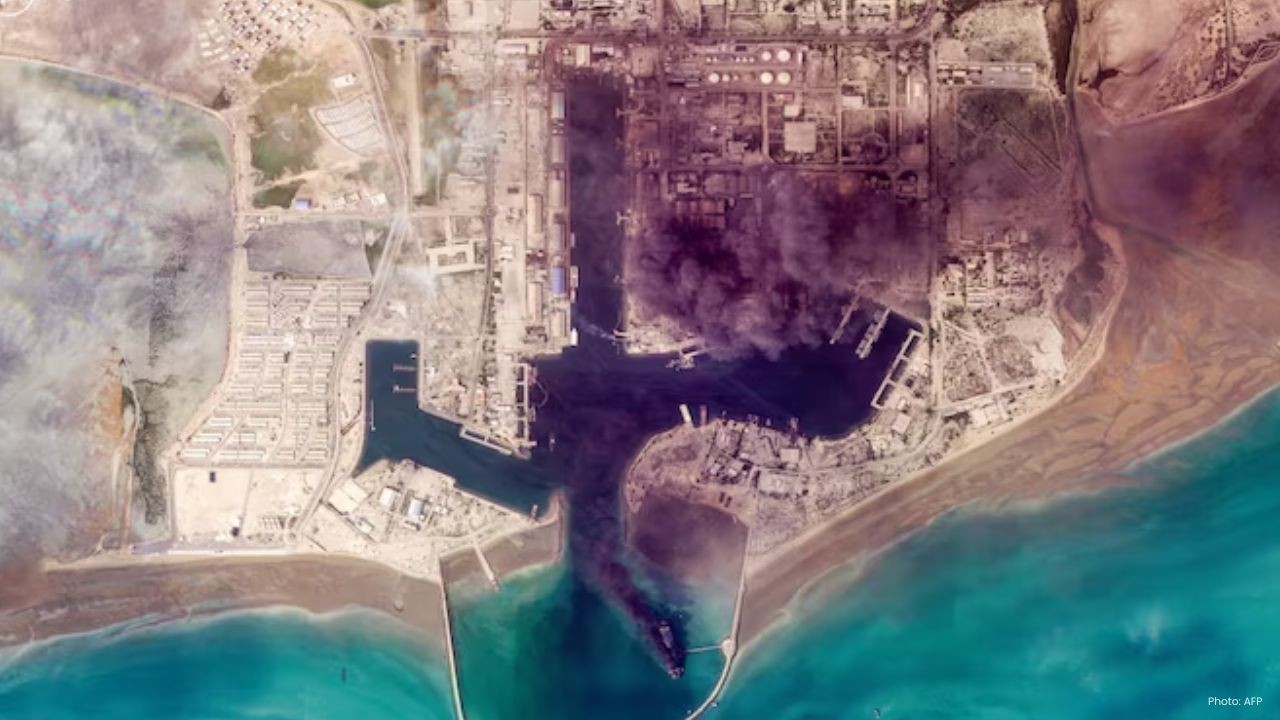
Asia Faces Energy Shock After Iran Closes Strait
Iran shuts Strait of Hormuz amid US-Israel strikes, sending oil prices higher and raising serious en


Bank of Baroda Faces Abu Dhabi Legal Battle over NMC Collapse
Bank of Baroda’s involvement in Abu Dhabi litigation tied to the NMC Healthcare collapse raises repu

Top Museum Openings of 2026 Set to Transform Global Tourism
From Los Angeles to Abu Dhabi and Brussels, 2026 brings major museum launches—Lucas Museum, Guggenhe

UAE Tour Highlights UAE’s Strength in Hosting Global Sports Events
Abu Dhabi Sports Council says the successful UAE Tour reflects the UAE’s leading role in hosting maj
EU Seeks Clarity from US After Supreme Court IEEPA Ruling
European Commission urges full transparency from the US on steps after Supreme Court ruling, emphasi
SpaceX Launches 53 New Satellites for Expanding Starlink Network
SpaceX launches 53 Starlink satellites in two Falcon 9 missions, breaking reuse records and expandin
RTA Awards Contract for Phase II of Hessa Street Upgrade in Dubai
Phase II of Hessa Street Development to add bridges, tunnel, and upgraded intersections, doubling ca

UAE Gold Prices Today, Monday 16 February 2026: Dubai & Abu Dhabi Updated Rates
Gold prices in UAE on 16 Feb 2026 updated: 24K around AED 599.75/gm, 22K AED 555.25/gm, and 18K AED

Over 25 Ahmedabad Schools Receive Bomb Threat Email, Authorities Investigate
More than 25 schools in Ahmedabad evacuated after bomb threat emails mentioning Khalistan. Authoriti