Post by : Sam Jeet Rahman
The Middle East has always been the crossroads of civilization. Long before modern borders, skyscrapers and highways existed, ancient trade routes connected Asia, Africa and Europe through this region. These routes were not just paths for goods but channels for culture, religion, technology and urban growth. Many of today’s major Middle Eastern cities owe their location, prosperity and global importance to these ancient trade networks.
Ancient trade routes determined where cities were built, how economies developed and which regions gained influence. Merchants carried spices, silk, gold, incense, textiles and ideas across deserts and seas. Cities that offered water, security, ports or resting points became trade hubs and eventually powerful urban centers.
The Silk Road was one of the most influential trade networks in history, linking China with the Mediterranean.
Although now in Central Asia, these cities heavily influenced Middle Eastern trade culture. They acted as gateways between Persia, Arabia and Asia, shaping commerce patterns that extended into Iran, Iraq and the Arabian Peninsula.
Founded in the 8th century, Baghdad became a major Silk Road center. Its strategic location near the Tigris River connected land routes with river trade. Baghdad flourished as a hub of knowledge, finance and global commerce, setting foundations for its lasting historical importance.
The Incense Route transported frankincense and myrrh from southern Arabia to the Mediterranean world.
Petra thrived as a desert trade capital because it controlled key Incense Route passages. Its advanced water systems and caravan infrastructure turned it into one of the wealthiest cities of its time.
Before becoming the spiritual center of Islam, Mecca was a major trading city. Its location along caravan routes made it a commercial hub where tribes exchanged goods, strengthening its regional importance.
The spice trade connected India, Southeast Asia and the Middle East through sea routes across the Indian Ocean.
Muscat’s natural harbor made it a vital stop for spice traders. Its maritime trade legacy still defines its role as a port city today.
Dubai’s origins lie in fishing, pearl diving and trade. Positioned along maritime trade routes, it evolved from a small trading settlement into one of the world’s busiest commercial cities by building on its historic trading culture.
Trade routes across the Red Sea linked Africa, Arabia and the Mediterranean.
Jeddah grew as a port city serving both trade and pilgrims. Its importance increased as merchants and travelers passed through on their way to Mecca, shaping its role as a gateway city.
One of the earliest organized highways, the Persian Royal Road connected Asia Minor with Mesopotamia.
Susa became a powerful administrative and trade center due to its position on this road. It influenced trade efficiency and governance models across the region.
Damascus benefited from its connection to multiple trade routes, including the Royal Road and Silk Road branches. Its rich markets and craft industries continue to define its old city today.
Ancient trade routes influenced city planning. Markets, caravanserais, ports and fortified gates became central features. Many Middle Eastern old cities still reflect these patterns through souks, narrow streets and trading districts that trace back thousands of years.
Trade routes spread languages, religions and customs. Islam, Christianity and Judaism expanded along these routes, shaping the cultural identity of Middle Eastern cities. Architecture, cuisine and social traditions all reflect centuries of cultural exchange.
Modern Middle Eastern cities continue to benefit from their historical role as connectors. Airports, ports and logistics hubs now follow the same logic as ancient caravan paths. Cities like Dubai, Istanbul and Doha thrive by reviving their historical identity as global trade bridges.
Understanding ancient trade routes explains why certain cities became powerful and others faded. Geography, access and connectivity remain critical for urban success, just as they were thousands of years ago.
Ancient trade routes laid the foundation for many modern Middle Eastern cities. From the Silk Road to the Incense and Spice routes, these networks shaped economies, cultures and urban landscapes. Today’s Middle Eastern metropolises are modern reflections of an ancient legacy built on trade, movement and global connection.
Disclaimer: This article is for educational and informational purposes only. Historical interpretations may vary based on archaeological and academic sources.

US Stocks Slide as AI Fears, Inflation and Oil Surge Weigh
US stocks dropped as AI disruption fears hit tech firms, inflation rose above forecasts, and oil pri

Pacific Prime Wins Top Honors at Cigna Awards 2026
Pacific Prime secured Top Individual Broker and Top SME Broker awards at Cigna’s Annual Broker Award
QatarEnergy Halts LNG Output After Military Attack
QatarEnergy has stopped LNG production after military attacks hit its facilities in Ras Laffan and M
Strong 6.1 Magnitude Earthquake Hits West Sumatra, No Damage
A 6.1 earthquake struck off West Sumatra, Indonesia. No casualties, damage, or tsunami alert reporte

Saudi Confirms Drone Strike on US Embassy Riyadh
Two drones hit the US Embassy in Riyadh, causing a small fire and minor damage. No injuries were rep
UAE Restarts Limited Flights as Regional Airspace Disruptions Continue
UAE restarts limited flights from Dubai as US-Israel attacks on Iran disrupt regional airspace, forc
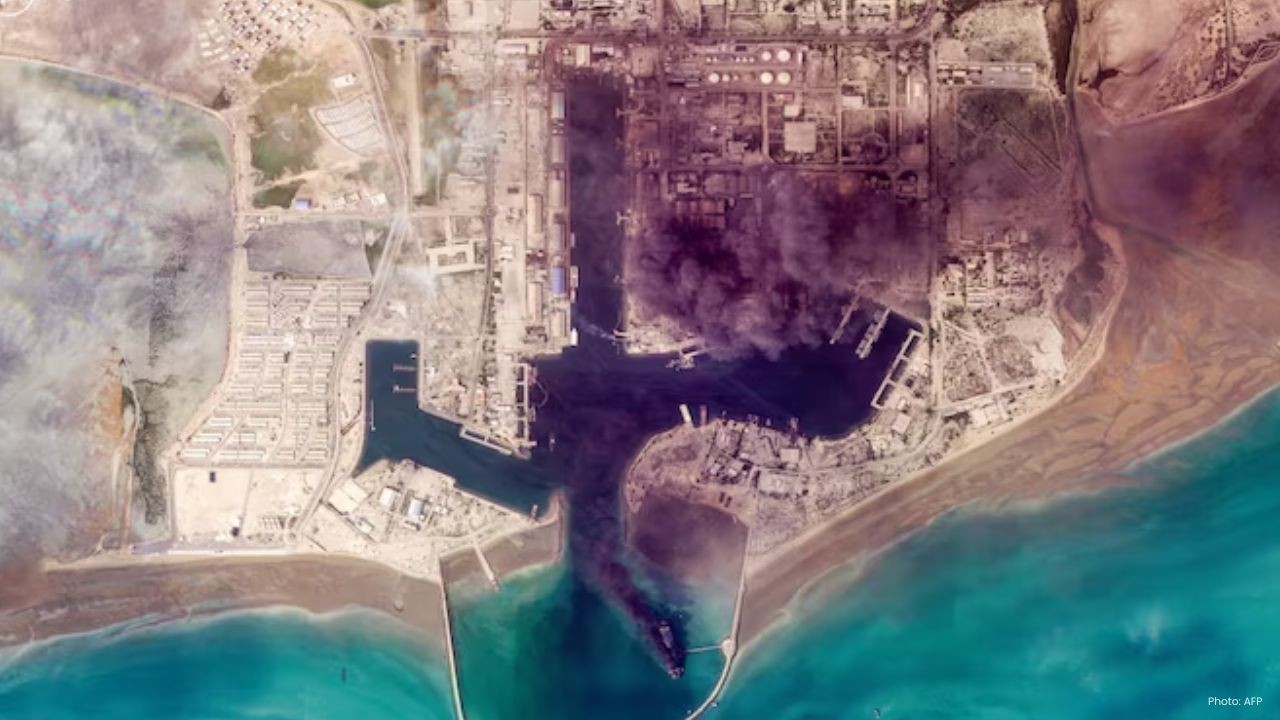
Asia Faces Energy Shock After Iran Closes Strait
Iran shuts Strait of Hormuz amid US-Israel strikes, sending oil prices higher and raising serious en


Bank of Baroda Faces Abu Dhabi Legal Battle over NMC Collapse
Bank of Baroda’s involvement in Abu Dhabi litigation tied to the NMC Healthcare collapse raises repu

Top Museum Openings of 2026 Set to Transform Global Tourism
From Los Angeles to Abu Dhabi and Brussels, 2026 brings major museum launches—Lucas Museum, Guggenhe

UAE Tour Highlights UAE’s Strength in Hosting Global Sports Events
Abu Dhabi Sports Council says the successful UAE Tour reflects the UAE’s leading role in hosting maj
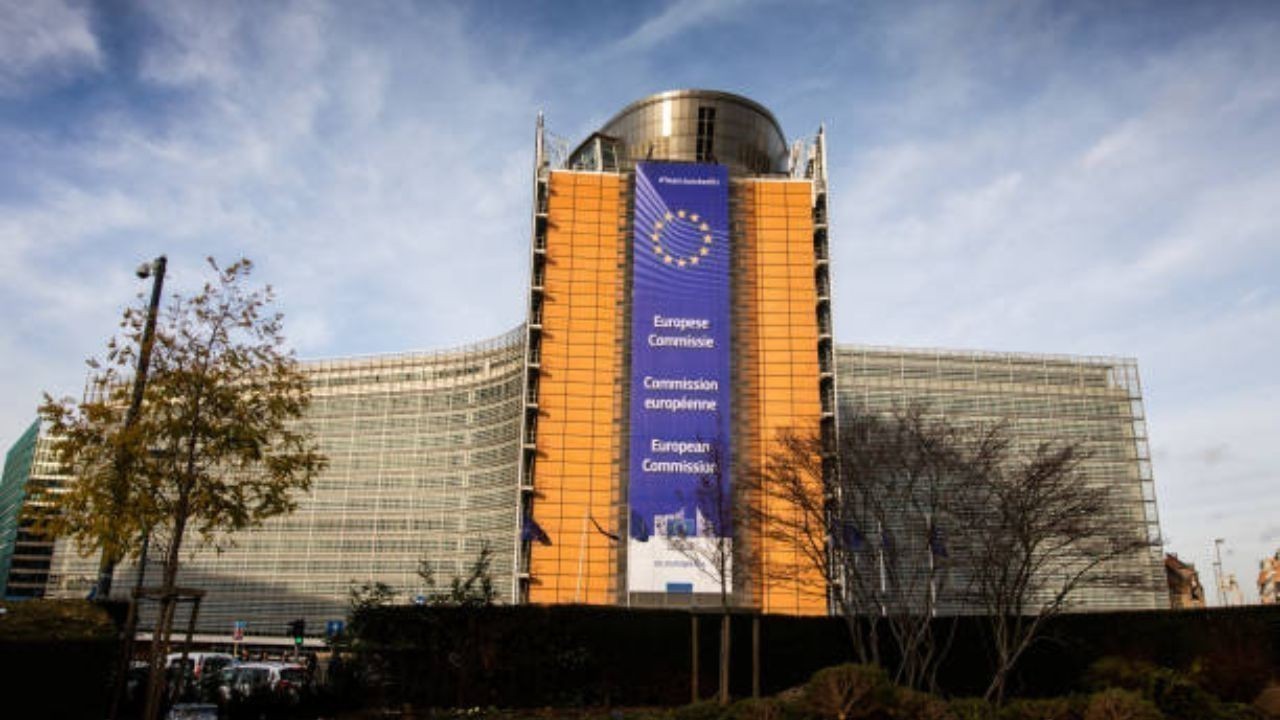
EU Seeks Clarity from US After Supreme Court IEEPA Ruling
European Commission urges full transparency from the US on steps after Supreme Court ruling, emphasi
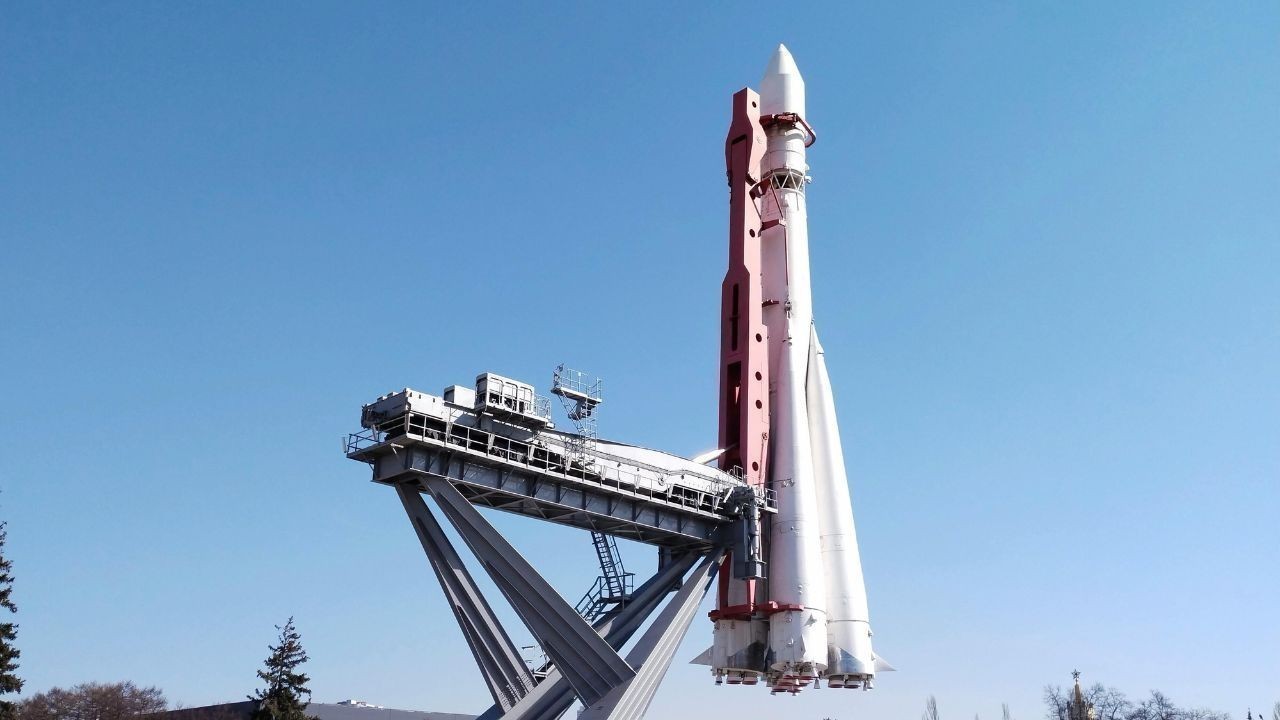
SpaceX Launches 53 New Satellites for Expanding Starlink Network
SpaceX launches 53 Starlink satellites in two Falcon 9 missions, breaking reuse records and expandin
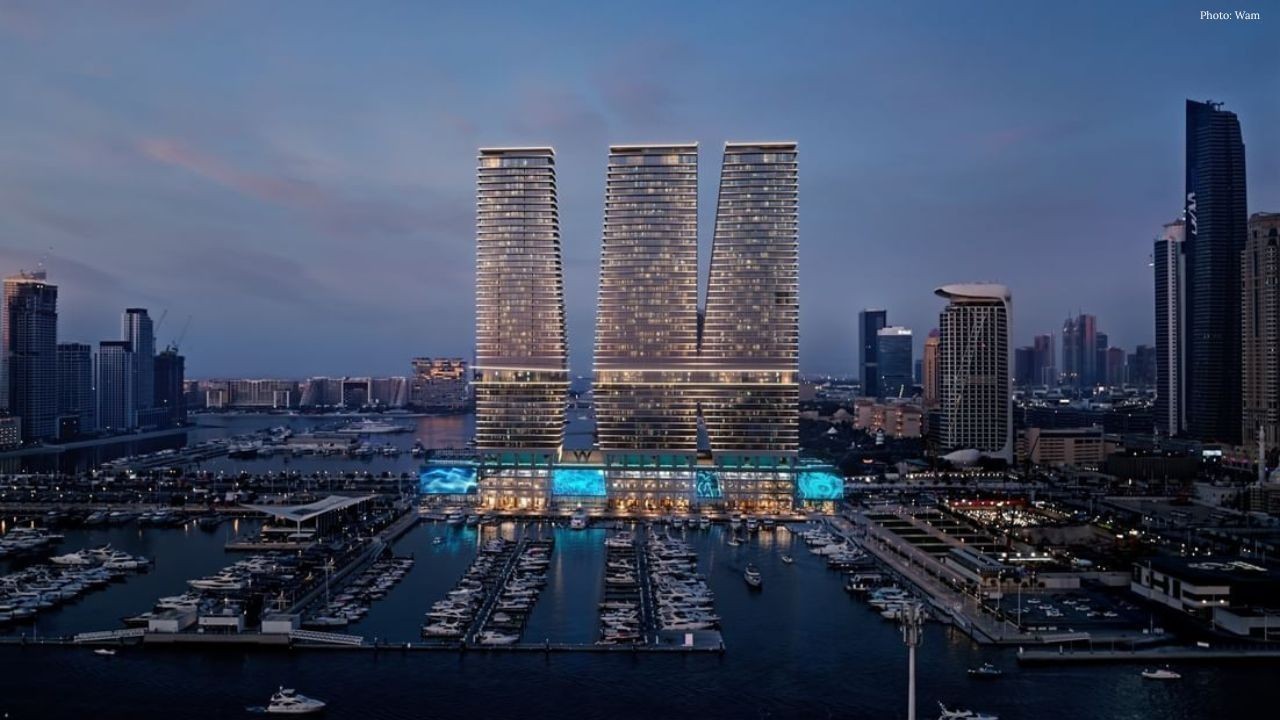
RTA Awards Contract for Phase II of Hessa Street Upgrade in Dubai
Phase II of Hessa Street Development to add bridges, tunnel, and upgraded intersections, doubling ca

UAE Gold Prices Today, Monday 16 February 2026: Dubai & Abu Dhabi Updated Rates
Gold prices in UAE on 16 Feb 2026 updated: 24K around AED 599.75/gm, 22K AED 555.25/gm, and 18K AED

Over 25 Ahmedabad Schools Receive Bomb Threat Email, Authorities Investigate
More than 25 schools in Ahmedabad evacuated after bomb threat emails mentioning Khalistan. Authoriti