Post by : Sam Jeet Rahman
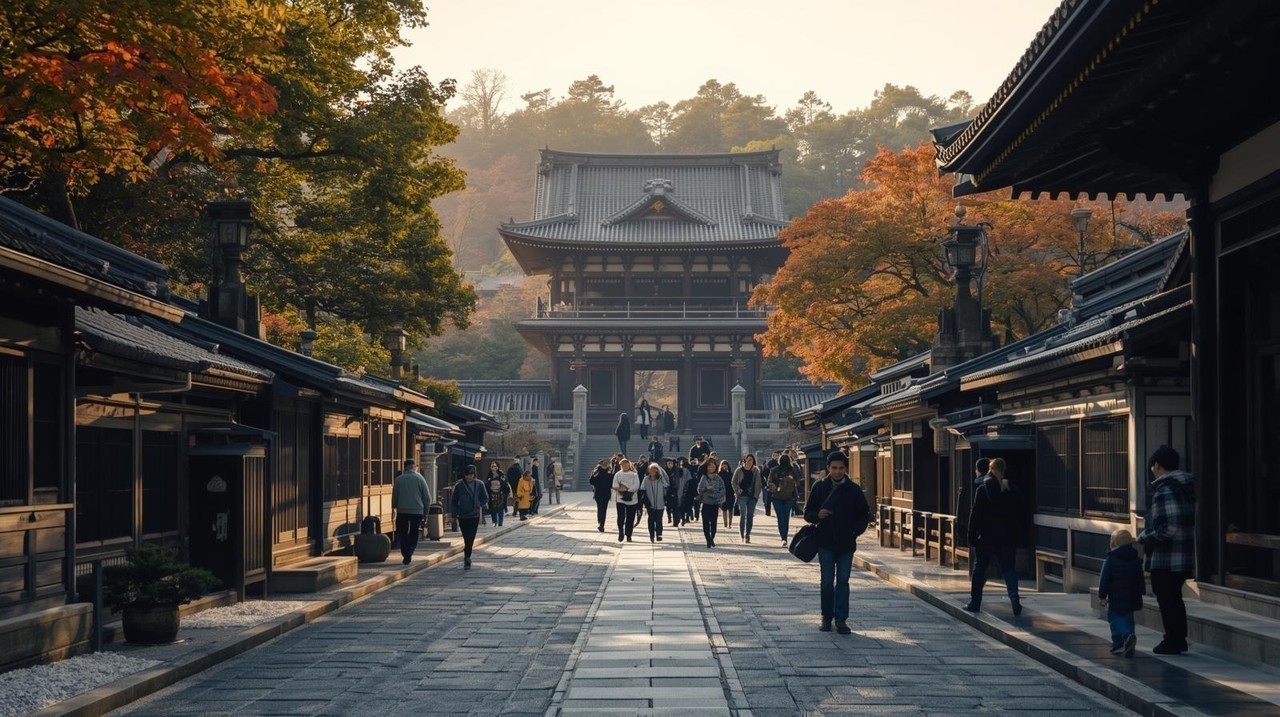
Kyoto has always been the cultural and spiritual soul of Japan, but in recent years, tourists are exploring the city’s ancient temples more deeply than ever before. Instead of quick photo stops, travelers now spend more time understanding history, rituals, architecture, and seasonal beauty. With overtourism fatigue in modern cities, Kyoto’s temples offer calm, meaning, and authenticity, making them increasingly popular among global visitors in 2026.
This renewed interest is driven by cultural tourism, spiritual travel, slow travel trends, and a desire to experience Japan beyond neon lights and shopping streets.
Kyoto is home to over 1,600 Buddhist temples and hundreds of shrines, many of which date back more than a thousand years. Tourists are visiting temples more frequently because they offer:
• Deep historical value connected to emperors, monks, and samurai
• Peaceful environments ideal for reflection and mindfulness
• Seasonal beauty that changes dramatically throughout the year
• Traditional architecture untouched by modern construction
• Cultural experiences such as prayer rituals, Zen gardens, and tea ceremonies
Unlike theme attractions, Kyoto’s temples feel timeless. Visitors are not just sightseeing; they are experiencing living history.
Kinkaku-ji, also known as the Golden Pavilion, remains one of the most visited ancient temples in Kyoto. The temple’s upper floors are covered in gold leaf, reflecting beautifully in the surrounding pond.
Why tourists continue to visit more:
• Instantly recognizable symbol of Kyoto
• Stunning photo opportunities in all seasons
• Easy access for first-time visitors
• Strong historical connection to Zen Buddhism
The temple’s design reflects the harmony between nature, architecture, and spirituality, which deeply appeals to cultural travelers.
Although technically a shrine, Fushimi Inari Taisha is inseparable from Kyoto’s spiritual tourism. The endless path of thousands of vermilion torii gates climbing Mount Inari has become one of the most searched and visited heritage sites in Japan.
Why tourists are spending more time here:
• Long walking routes beyond the crowded entrance
• Mountain views overlooking Kyoto city
• Strong symbolic meaning related to prosperity and success
• Ideal for both short visits and half-day hikes
Many visitors now explore deeper sections of the trail, avoiding crowds and discovering quieter spiritual spaces.
Kiyomizu-dera stands on wooden pillars high above the hillside, offering panoramic views of Kyoto. The temple is famous for its large wooden stage built without nails.
Reasons for rising tourist interest:
• Dramatic elevated views of the city
• Otowa Waterfall believed to bring health and wisdom
• Beautiful seasonal scenery, especially in spring and autumn
• Night illuminations during special festivals
Tourists increasingly visit during early mornings or evening illuminations for a more immersive experience.
Ryoan-ji is one of the most important Zen temples in Japan, best known for its minimalist rock garden. Unlike visually dramatic temples, Ryoan-ji attracts travelers seeking mental calm and philosophical depth.
Why it’s gaining popularity:
• World-famous Zen rock garden design
• Quiet, contemplative atmosphere
• Perfect for mindfulness and slow travel
• Strong appeal among wellness and spiritual tourists
Visitors often spend longer periods sitting silently, observing the garden rather than rushing through.
Ginkaku-ji offers a stark contrast to the Golden Pavilion. Instead of luxury, it represents wabi-sabi, the Japanese concept of beauty in imperfection and simplicity.
Why tourists are rediscovering it:
• Elegant moss gardens and sand art
• Peaceful walking paths away from crowds
• Connection to traditional Japanese aesthetics
• Starting point of the Philosopher’s Path
Many travelers now prefer Ginkaku-ji for its understated charm and tranquil atmosphere.
To-ji is famous for its five-story pagoda, the tallest wooden pagoda in Japan. Unlike many temples, To-ji remains deeply connected to local life.
Why tourists are visiting more:
• UNESCO World Heritage status
• Monthly flea markets blending culture and shopping
• Close proximity to Kyoto Station
• Strong historical ties to early Buddhist traditions
Visitors appreciate the combination of spirituality, architecture, and everyday Kyoto culture.
Sanjusangen-do houses 1,001 statues of Kannon, the Buddhist goddess of mercy. The long wooden hall creates a powerful emotional impact on visitors.
Reasons for growing tourist interest:
• Unique and awe-inspiring statue arrangement
• Deep spiritual symbolism
• Cultural and artistic significance
• Less crowded compared to other major temples
Many visitors describe this temple as one of the most moving spiritual experiences in Kyoto.
Nanzen-ji is one of Kyoto’s most important Zen temples, offering large open grounds, sub-temples, and scenic walking routes.
Why tourists are exploring it more:
• Massive Sanmon gate with panoramic views
• Unique brick aqueduct blending Japanese and Western styles
• Spacious grounds ideal for slow exploration
• Strong historical significance
The temple appeals especially to travelers who enjoy photography, architecture, and nature walks.
Eikan-do is particularly famous for its autumn foliage, making it one of Kyoto’s most visited temples during fall.
Why tourists are drawn here:
• Some of the best autumn views in Kyoto
• Thoughtfully designed garden pathways
• Peaceful spiritual environment
• Seasonal night illuminations
In recent years, off-season visits have also increased as travelers seek quieter moments.
Beyond famous landmarks, tourists are now exploring lesser-known temples such as:
• Small neighborhood Zen temples
• Sub-temples within major temple complexes
• Hillside temples with limited access
• Meditation-focused temples offering short experiences
This shift reflects a move away from checklist tourism toward meaningful cultural discovery.
Each season transforms Kyoto’s temples:
• Spring – Cherry blossoms create dreamlike scenery
• Summer – Lush greenery and temple festivals
• Autumn – Maple leaves in red and gold hues
• Winter – Snow-covered temples with serene silence
Tourists increasingly choose off-peak seasons and early hours to enjoy a calmer experience.
With increased awareness, visitors now pay more attention to temple etiquette:
• Dressing modestly
• Maintaining silence in prayer areas
• Avoiding flash photography
• Respecting restricted zones
• Participating thoughtfully in rituals
This respectful approach enhances the overall experience for both visitors and locals.
Modern travelers are seeking:
• Connection over consumption
• Meaningful experiences over entertainment
• Mental peace over busy schedules
Kyoto’s ancient temples fulfill these needs naturally, making them increasingly relevant in a fast-paced world.
Kyoto’s temples are no longer just tourist attractions; they are emotional and cultural anchors for travelers. The rise in temple visits reflects a global shift toward heritage tourism, spiritual travel, and mindful exploration. Whether iconic or hidden, these ancient temples continue to shape how visitors understand Japan’s past, present, and future.
Disclaimer: Temple entry rules, opening hours, and seasonal events may change. Visitors should follow local guidelines and respect cultural practices during temple visits.

US Stocks Slide as AI Fears, Inflation and Oil Surge Weigh
US stocks dropped as AI disruption fears hit tech firms, inflation rose above forecasts, and oil pri

Pacific Prime Wins Top Honors at Cigna Awards 2026
Pacific Prime secured Top Individual Broker and Top SME Broker awards at Cigna’s Annual Broker Award

QatarEnergy Halts LNG Output After Military Attack
QatarEnergy has stopped LNG production after military attacks hit its facilities in Ras Laffan and M

Strong 6.1 Magnitude Earthquake Hits West Sumatra, No Damage
A 6.1 earthquake struck off West Sumatra, Indonesia. No casualties, damage, or tsunami alert reporte

Saudi Confirms Drone Strike on US Embassy Riyadh
Two drones hit the US Embassy in Riyadh, causing a small fire and minor damage. No injuries were rep

UAE Restarts Limited Flights as Regional Airspace Disruptions Continue
UAE restarts limited flights from Dubai as US-Israel attacks on Iran disrupt regional airspace, forc

Asia Faces Energy Shock After Iran Closes Strait
Iran shuts Strait of Hormuz amid US-Israel strikes, sending oil prices higher and raising serious en


Bank of Baroda Faces Abu Dhabi Legal Battle over NMC Collapse
Bank of Baroda’s involvement in Abu Dhabi litigation tied to the NMC Healthcare collapse raises repu

Top Museum Openings of 2026 Set to Transform Global Tourism
From Los Angeles to Abu Dhabi and Brussels, 2026 brings major museum launches—Lucas Museum, Guggenhe

UAE Tour Highlights UAE’s Strength in Hosting Global Sports Events
Abu Dhabi Sports Council says the successful UAE Tour reflects the UAE’s leading role in hosting maj

EU Seeks Clarity from US After Supreme Court IEEPA Ruling
European Commission urges full transparency from the US on steps after Supreme Court ruling, emphasi

SpaceX Launches 53 New Satellites for Expanding Starlink Network
SpaceX launches 53 Starlink satellites in two Falcon 9 missions, breaking reuse records and expandin

RTA Awards Contract for Phase II of Hessa Street Upgrade in Dubai
Phase II of Hessa Street Development to add bridges, tunnel, and upgraded intersections, doubling ca

UAE Gold Prices Today, Monday 16 February 2026: Dubai & Abu Dhabi Updated Rates
Gold prices in UAE on 16 Feb 2026 updated: 24K around AED 599.75/gm, 22K AED 555.25/gm, and 18K AED

Over 25 Ahmedabad Schools Receive Bomb Threat Email, Authorities Investigate
More than 25 schools in Ahmedabad evacuated after bomb threat emails mentioning Khalistan. Authoriti





