Post by : Anis Karim
This week has seen a notable surge in flight issues across various cities, leaving passengers grappling with delays, cancellations, re-routed flights, and longer wait times. What started as ordinary travel chaos has exposed significant gaps in aviation logistics, resource allocation, and unpredictable weather patterns.
Although disruptions seem to only impact travelers on specific days, the aviation industry operates like a complex web. A disturbance in one area can create widespread ramifications, sometimes lasting for days or weeks. The current turbulence hints at a potential spike in winter travel costs, as airlines, airports, and passengers adjust to new operational strains.
Diving into the factors contributing to these disruptions and their broader consequences reveals a more intricate situation: the aviation sector is under pressure from operational challenges, unpredictable weather, staffing shortages, and heightened demand. Collectively, these factors suggest your winter travel expenses may be higher than anticipated.
Seasonal transitions often introduce erratic weather conditions—fog, sudden showers, wind shifts, or reduced visibility. When several airports contend with adverse weather simultaneously, maintaining flight schedules becomes exceedingly challenging.
Timely aircraft rotation is vital for airlines. Even a minor setback at one airport can result in widespread delays throughout the network.
Crew availability is another crucial aspect often overlooked in the aviation realm. Strict duty hour regulations govern pilots and cabin crew. When delays exceed certain thresholds, crews may be forced to “time out,” meaning they can no longer continue working. Finding backup crews becomes a challenge, notably on crowded travel days.
This week’s issues have underscored the limited crew reserves for many airlines. A reduced number of standby crews leads to increased cancellations, causing airlines to implement tighter schedules moving forward—which typically results in higher fares due to diminished supply.
Today’s major airports operate near their maximum capacities. In a strained system, even minor disruptions can cause significant delays affecting parking, ground handling, gate availability, and turnaround times.
This week’s flight challenges have laid bare the fragility of the system during peak times. The inability to manage delays leads to a persistent ripple effect extending for hours, and sometimes days.
When airlines face delays and operational constraints, they often opt to cut back on flight frequencies on certain routes instead of risking repeated cancellations. Fewer flights translate to reduced seat availability, naturally driving prices up.
Winter is already a peak period, with holiday travel, festivals, business trips, and family gatherings. A reduction in supply, even slightly, dramatically elevates prices.
Disruptions incur a variety of extra expenses for airlines:
Extra crew payments
Overtime costs for ground handling
Costs related to repositioning aircraft
Fuel expense adjustments
Accommodation for stranded travelers
Meal vouchers and support services
These costs rarely remain internal. Over time, airlines adjust seasonal pricing to recoup losses, leading to an increase in winter fares.
Airlines employ predictive analytics to forecast delays and disruptions. This week’s unpredictable trends will likely alter those forecasts—making winter operations appear riskier than previously expected. Increased risks typically translate into airlines using premium pricing models to cushion uncertainties.
As operational predictability falters, ticket prices rise.
Experiencing widespread delays and cancellations may prompt travelers to move away from last-minute bookings. Instead, they may begin to secure tickets sooner, aiming for price stability. This shift creates surging demand earlier in the season, inflating fares.
As unpredictability rises, passengers show a growing inclination toward more dependable options:
Direct flights instead of connecting flights
Morning departures rather than evening
Premium economy seats for added comfort
Flexible fares for easier rebooking
Heightened demand for premium options leads to increased prices and quicker sell-outs, pushing budget travelers into higher fare categories.
Some travelers have begun to reserve buffer days to protect against disruptions, thereby raising early demand and reducing seat availability during weekends and holidays, which in turn hikes fare structures.
AI-powered pricing algorithms monitor current trends:
Rate of seat occupancy
Speed of bookings
Cancellation rates
Changes in competitive routes
Weather forecasts
This week's disruptions have sparked unusual booking trends and reshuffled demand patterns. As algorithms adjust, winter pricing expectations rise.
Winter months typically bring volatile fuel prices due to increased global energy needs. Coupled with the operational inefficiencies stemming from this week’s delays, airlines may brace for higher fuel costs.
Since fuel is a key component of airline expenses, any upward pressures will directly affect ticket prices.
Airlines may cut back on less profitable routes, consolidate services, or shift flight times to create a more buffer-friendly winter schedule. While this can enhance punctuality, it further limits seat availability, which again drives prices higher.
Airports globally continue to face staffing shortages that originated from prior disruptions. Recovery has been lethargic, and operational teams—including security, baggage handling, check-in, maintenance, and cleaning—remain overstretched.
When insufficient staffing meets seasonal surges, airports resort to:
Ramping up overtime
Hiring temporary workers
System upgrades
These added expenses generally impact airline rates, leading to higher ticket prices.
Recent disruptions illustrated how congested terminals can become even outside of peak travel days. As winter travel volumes increase, so do the strains on infrastructure.
In efforts to minimize bottlenecks, airports may elevate operational costs, prompting airlines to alter ticket pricing.
Winter fog can severely limit the number of aircraft able to land or take off each hour. A reduction in runway capacity means airlines cannot maintain full flight schedules, leading to cancellations or lengthy delays.
This week's disruptions serve as a harbinger of how conditions may worsen during the heart of winter.
Cold temperatures lead to prolonged engine warm-up periods, slower baggage movement, more defogging activities, and lengthened ground checks.
These delays compound quickly, compressing schedules, which forces airlines either to cancel flights or increase fares for remaining flights.
As cancellations spike, hotels near airports often increase rates due to unexpected demand from stranded travelers. Winter vacation spots follow suit, inflating overall travel expenses.
Tour companies, taxis, and bus operators raise prices when they foresee disrupted travel patterns, further elevating winter travel expenses.
Booking well ahead is now crucial. Steering clear of high-demand periods such as holiday weekends and school breaks can substantially decrease costs.
Morning flights are less impacted by cumulative delays, making them more reliable, and often more cost-effective in dynamic pricing cycles.
Flexible fares may initially cost more but can save money during unpredictable periods, enabling easier rescheduling without hefty penalties.
Sometimes selecting an alternative airport within the same region provides better stability and pricing.
The recent flight disruptions are not just isolated events but aspects of a more extensive challenge facing aviation. The resulting impacts are shaping how airlines strategize, how algorithms compute pricing, how passengers secure tickets, and how markets respond.
If upcoming trends hold true, winter travel could see:
Above-average fares
Faster sell-outs
Elevated premium pricing
More cautious scheduling
Diminished flight frequencies
For travelers, smart planning and quick reactions will be key. Airlines will aim to strike a balance between earnings and dependability. The tourism landscape will need to adapt to shifting demand.
Winter travel will remain dynamic—however, it is likely to be more costly, tighter, and sensitive to disruptions than recent years.
This article is meant for informational and analytical purposes only. Travel rates and operational trends can shift based on real-time market conditions and airline decisions.

US Stocks Slide as AI Fears, Inflation and Oil Surge Weigh
US stocks dropped as AI disruption fears hit tech firms, inflation rose above forecasts, and oil pri

Pacific Prime Wins Top Honors at Cigna Awards 2026
Pacific Prime secured Top Individual Broker and Top SME Broker awards at Cigna’s Annual Broker Award

QatarEnergy Halts LNG Output After Military Attack
QatarEnergy has stopped LNG production after military attacks hit its facilities in Ras Laffan and M

Strong 6.1 Magnitude Earthquake Hits West Sumatra, No Damage
A 6.1 earthquake struck off West Sumatra, Indonesia. No casualties, damage, or tsunami alert reporte
Saudi Confirms Drone Strike on US Embassy Riyadh
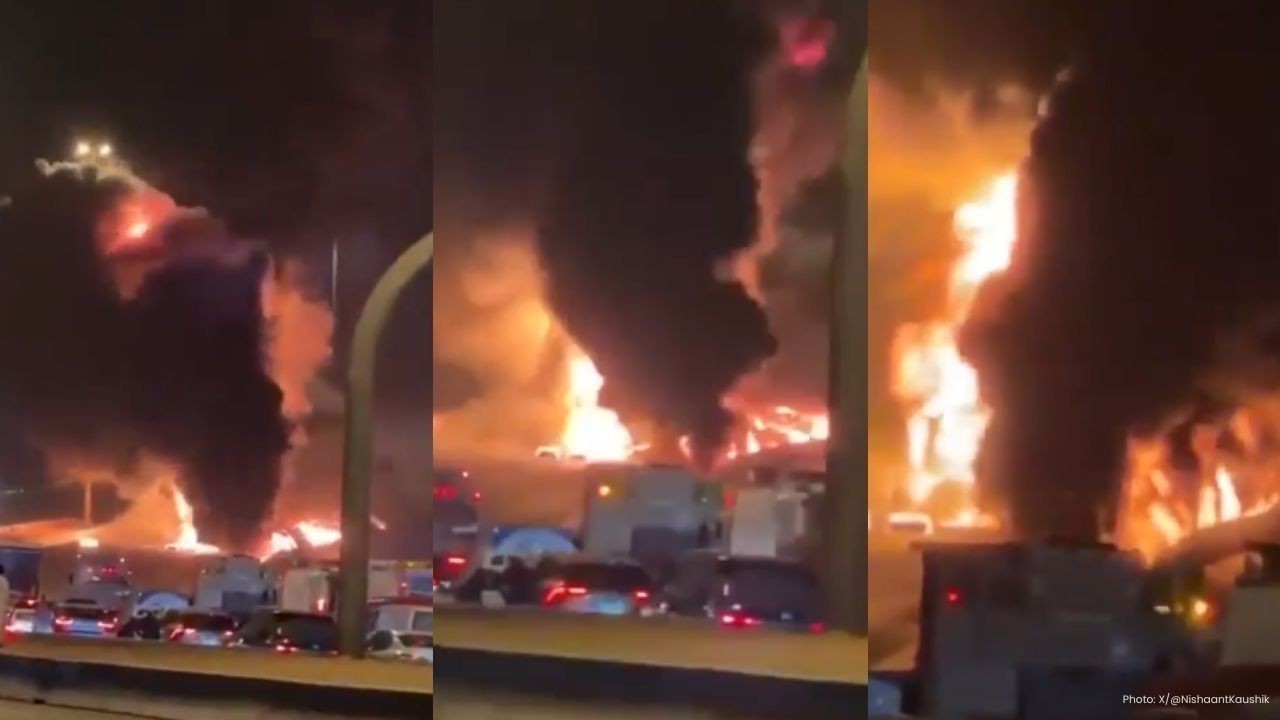
Two drones hit the US Embassy in Riyadh, causing a small fire and minor damage. No injuries were rep
UAE Restarts Limited Flights as Regional Airspace Disruptions Continue
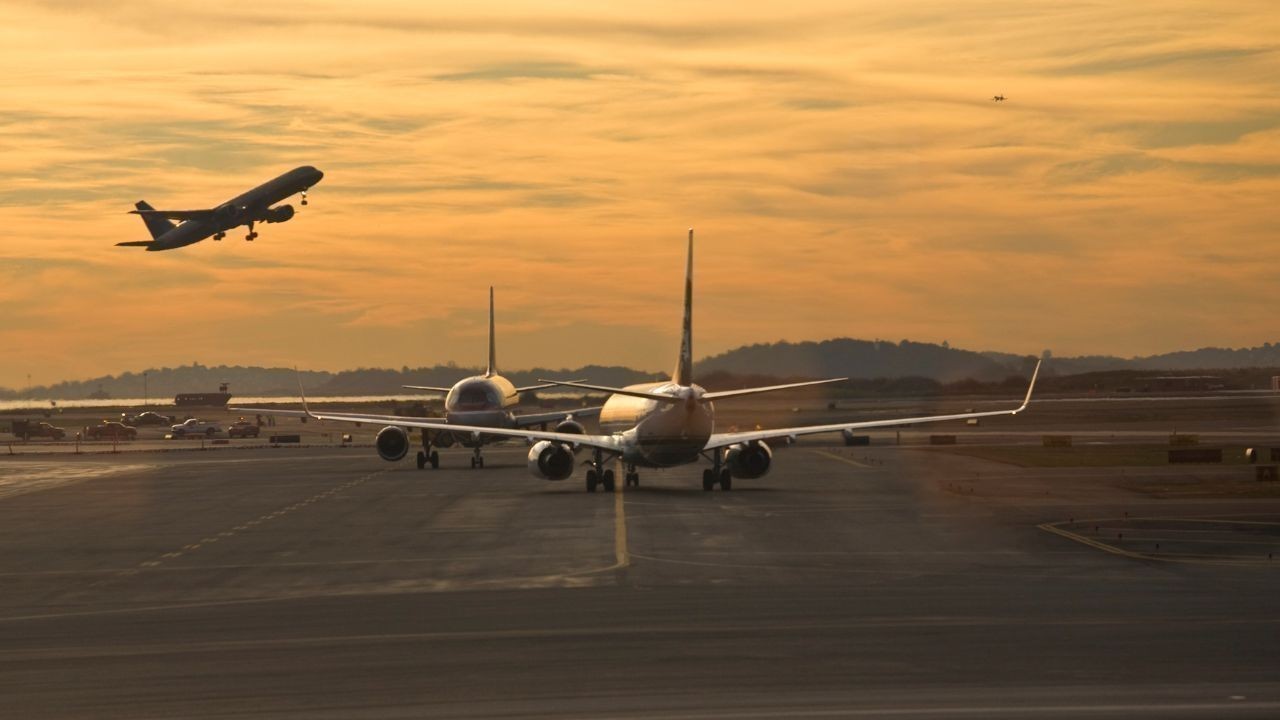
UAE restarts limited flights from Dubai as US-Israel attacks on Iran disrupt regional airspace, forc
Asia Faces Energy Shock After Iran Closes Strait
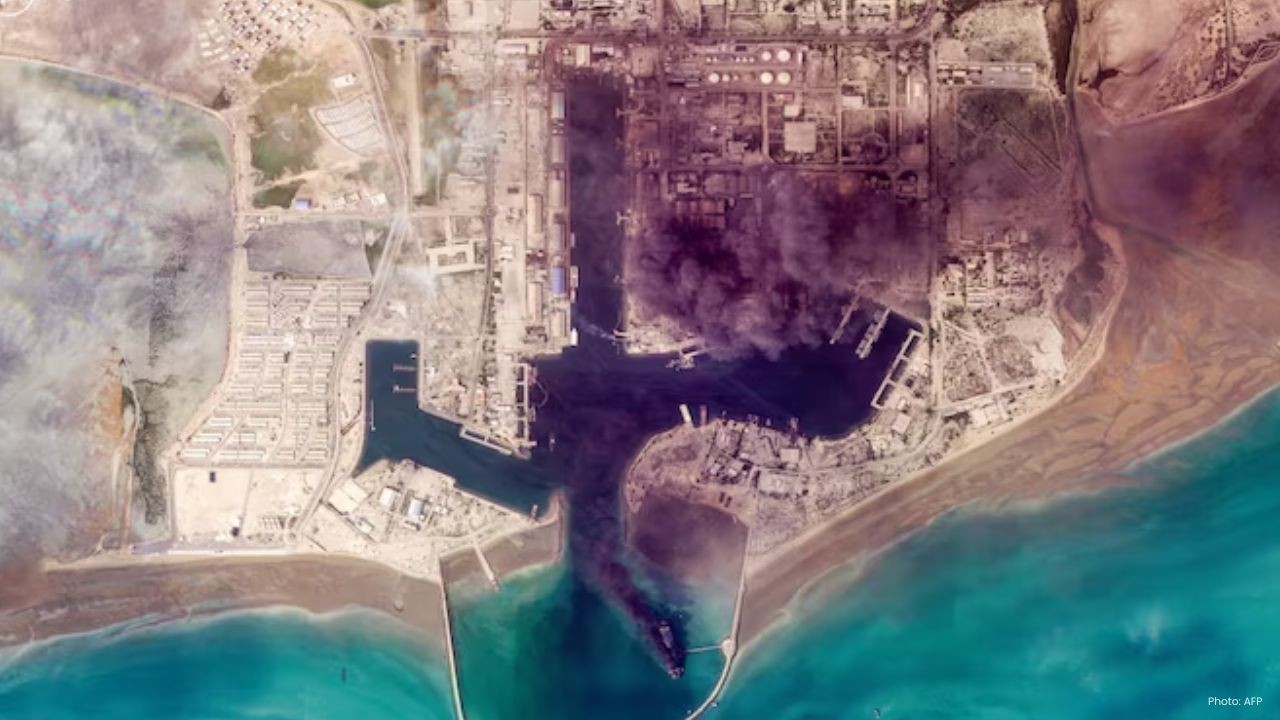
Iran shuts Strait of Hormuz amid US-Israel strikes, sending oil prices higher and raising serious en


Bank of Baroda Faces Abu Dhabi Legal Battle over NMC Collapse
Bank of Baroda’s involvement in Abu Dhabi litigation tied to the NMC Healthcare collapse raises repu

Top Museum Openings of 2026 Set to Transform Global Tourism
From Los Angeles to Abu Dhabi and Brussels, 2026 brings major museum launches—Lucas Museum, Guggenhe

UAE Tour Highlights UAE’s Strength in Hosting Global Sports Events
Abu Dhabi Sports Council says the successful UAE Tour reflects the UAE’s leading role in hosting maj

EU Seeks Clarity from US After Supreme Court IEEPA Ruling
European Commission urges full transparency from the US on steps after Supreme Court ruling, emphasi
SpaceX Launches 53 New Satellites for Expanding Starlink Network
SpaceX launches 53 Starlink satellites in two Falcon 9 missions, breaking reuse records and expandin

RTA Awards Contract for Phase II of Hessa Street Upgrade in Dubai
Phase II of Hessa Street Development to add bridges, tunnel, and upgraded intersections, doubling ca

UAE Gold Prices Today, Monday 16 February 2026: Dubai & Abu Dhabi Updated Rates
Gold prices in UAE on 16 Feb 2026 updated: 24K around AED 599.75/gm, 22K AED 555.25/gm, and 18K AED

Over 25 Ahmedabad Schools Receive Bomb Threat Email, Authorities Investigate
More than 25 schools in Ahmedabad evacuated after bomb threat emails mentioning Khalistan. Authoriti