Post by : Anis Karim
For years, taking a morning walk has been regarded as a straightforward way to safeguard heart health. It's a routine endorsed by medical professionals, cherished by the elderly, and embraced by busy individuals looking for a manageable workout. The allure of fresh air, peaceful surroundings, and sunlight has made it an attractive daily practice.
However, this notion is evolving.
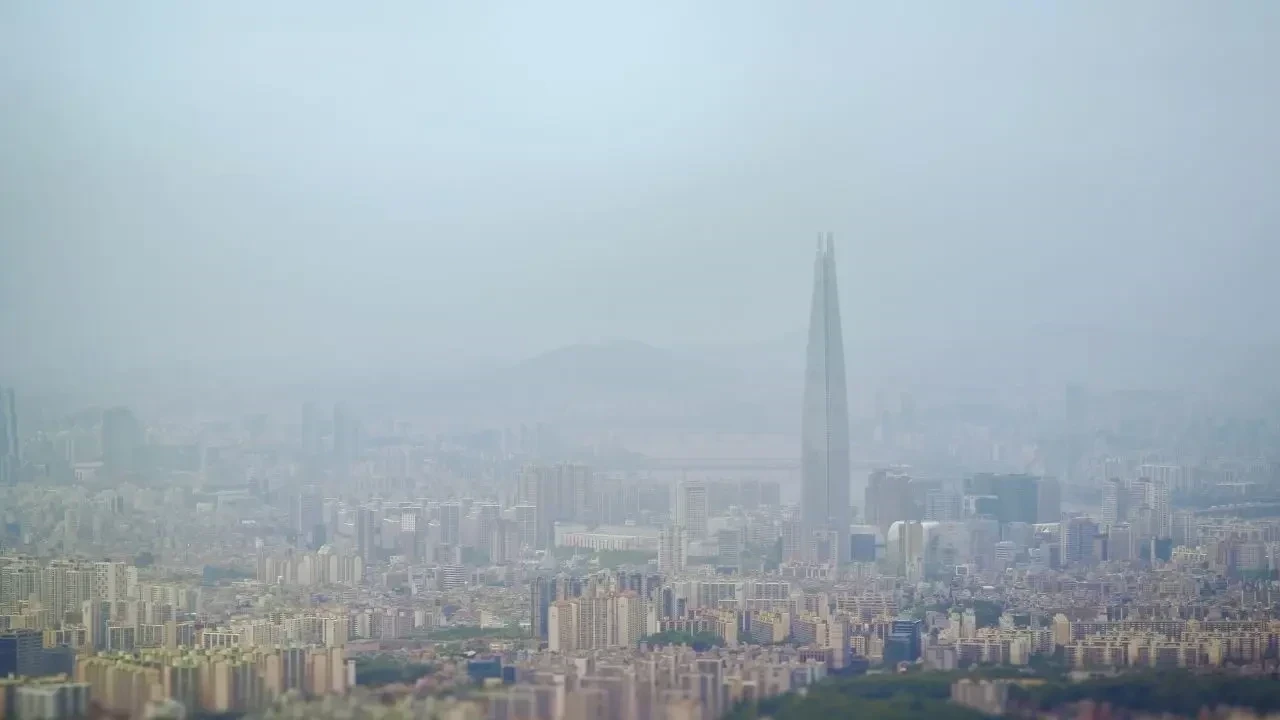
Urban landscapes have transformed. Invisible pollutants now blend with fog and dust in ways that can compromise the quality of air during your walks. The streets that were once pedestrian-friendly are now filled with traffic emissions and construction debris. The air you inhale while exercising may have a greater impact on your heart than the activity itself.
Health-conscious individuals are left questioning:
Is walking in polluted air benefitting my heart, or is it detrimental?
This article delves into the research, the hazards, and practical choices individuals can make amidst uncertain air quality.
Walking triggers a beneficial cascade within the body:
Increased heart rate enhances blood circulation
Blood vessels become more pliable
Stabilization of blood pressure occurs
Cholesterol processing improves
Oxygen supply to muscles is enhanced
Moreover, walking reduces stress hormone levels, fosters better sleep, and boosts cognitive function—all indirect benefits that fortify heart health.
Regular walking lowers the likelihood of:
Heart attacks
Stroke
Type 2 diabetes
Obesity
Heart stress tied to anxiety
In clean air, a mere half-hour of walking daily can significantly diminish long-term cardiovascular risks.
While this outlines the optimal scenario, reality poses challenges with pollution.
When engaged in physical activity:
Breathing frequency escalates
You take deeper breaths
Pollutants reach deeper into your lungs
Toxins enter the bloodstream more quickly
Thus, exercising in polluted air does not lessen toxic intake—it amplifies it.
In such environments, your lungs are not just getting fresh oxygen; they’re also inhaling harmful particles, toxic substances, and chemical irritants that can compromise blood vessels.
The repercussions of air pollution extend beyond the lungs. Once airborne pollutants enter the bloodstream, they instigate:
Inflammation within blood vessels
Increased likelihood of blood clots
Irregular heartbeat patterns
Heightened blood pressure
Disruption in oxygen transfer
Over time, this hidden strain gradually weakens cardiovascular health.
Elevated pollution levels significantly reduce, and even reverse, the health advantages of walking.
Instead of:
Enhanced oxygen circulation
You may experience:
Hypoxia due to environmental toxins
Inflamed arteries
Increased stress hormone levels
While exercise increases blood circulation speed, it inadvertently accelerates the spread of toxins throughout the body.
In essence, your heart might be working overtime during exercise, but polluted air compounds the cost of that effort rather than offering benefits.
Children and teenagers with developing lungs inhale more intensely. Prolonged exposure can permanently diminish lung function.
Age-related cardiovascular systems tend to be less adaptable and more susceptible to inflammation.
Existing weaknesses in the heart muscle or blood vessels compound the severity of pollution's impacts.
Increased inflammation in airways results in diminished exercise capacity and heightened breathlessness.
Those who breathe deeply over extended periods in outdoor settings amass pollution exposure more quickly.
Morning air frequently contains vehicle emissions that are trapped low to the ground, especially due to temperature inversion.
The sky might appear clear, but the air is not.
Calm mornings allow fine particulate matter to linger near streets—precisely where walkers are active.
Moisture can aid pollution particles in clinging to and penetrating the respiratory system.
Ceasing exercise leads to other health concerns:
Diminished fitness levels
Potential weight gain
Increased heart disease risk
Higher mental stress
The solution is not eliminating movement.
The resolution lies in modifying how and where you exercise.
Avoid:
Early morning hours
Late evening rush hour
Opt for:
Midday or afternoon strolls
Time after rain showers
Windy days that help clear dust
Choose:
Parks with abundant trees
Spacious walking paths
Quiet residential streets
Elevated spots
Avoid:
Busy main roads
Flyovers
Construction sites
Bus stations
Quality masks can filter out harmful particles.
Nonetheless:
A poor fit may undermine protection
Using low-quality cloth masks can create a false sense of security
Dirty masks can increase breathing difficulties
Opt for breathable, multi-layer filters designed for air protection.
Indoor options—walking on a treadmill, doing yoga, or body-weight training—minimize pollution exposure.
But ensure:
Keep doors and windows shut during high pollution times
Ventilate rooms after pollution levels drop
Indoor air quality is better than outdoor air
Air purifiers can greatly enhance indoor air quality when used regularly.
However:
They only serve to cleanse enclosed spaces
Windows should remain shut for effectiveness
Filters need ongoing upkeep
Think of them as protective gear, rather than mere home accessories.
Chemical toxins that enter the lungs mix with blood and do not exit through sweat.
Only reducing exposure will mitigate damage.
Incorporate:
Leafy greens
Citrus fruits
Nuts and seeds
Fatty fish
Turmeric and ginger
These foods help reduce internal inflammation caused by pollution.
Pollution thickens blood, so staying hydrated boosts circulation and oxygen delivery.
The nose effectively filters out:
Larger particles
Dust
Allergens
Breathing through the mouth bypasses these filters and increases toxin intake.
Deliberate, slow breathing:
Minimizes inhalation volume
Improves air filtration
Reduces cardiovascular strain
Keep tabs on:
Daily AQI readings
Hourly pollution updates
Sudden spikes in pollution
Wind direction changes
Stay informed; don’t walk without knowledge.
Avoid:
Evening play near busy roads
Morning sessions during smog
Weekend activities by highways
Encourage:
Indoor sports activities
Clear-air sessions
Games in parks after precipitation
Children tend to breathe more rapidly than adults, rendering them more vulnerable to air pollution.
Polluted air can lead to:
Elevated anxiety levels
Decreased focus
Increased fatigue
Disrupted sleep patterns
Exercise promotes better mental health, but workouts in polluted conditions may negate those benefits.
Unlike acute incidents, pollution-related damage is stealthy.
It accumulates:
Gradually
Invisibly
Steadily
Cardiovascular conditions linked to pollution may take considerable time to manifest.
But awareness is the key to prevention.
The impact hinges on:
Your walking location
Timing of your walk
Quality of air you inhale
Duration of exposure to contaminants
Preventative measures you adopt
In pristine air, your heart appreciates it.
In polluted surroundings, your heart is burdened.
The same activity yields features that differ vastly.
What was effective a decade ago may be less so now.
Morning walks now require:
Location assessments
Timing modifications
Protection considerations
Fitness is more than mere effort.
It is now also about awareness.
Incorporating walking into your routine is invaluable.
Do not let air pollution undermine your commitment.
Make small adjustments.
Choose safe times.
Select cleaner environments.
Implement protective measures when necessary.
Opt for healthier dietary choices.
Enhance your breathing.
Your body puts in work on your behalf.
Return the favor by opting for clean air that aids your health, not harms it.
This article serves as informational content and is not a replacement for medical advice. Those with preexisting health conditions should consult health professionals before altering exercise routines or precautions.

US Stocks Slide as AI Fears, Inflation and Oil Surge Weigh
US stocks dropped as AI disruption fears hit tech firms, inflation rose above forecasts, and oil pri

Pacific Prime Wins Top Honors at Cigna Awards 2026
Pacific Prime secured Top Individual Broker and Top SME Broker awards at Cigna’s Annual Broker Award

QatarEnergy Halts LNG Output After Military Attack
QatarEnergy has stopped LNG production after military attacks hit its facilities in Ras Laffan and M
Strong 6.1 Magnitude Earthquake Hits West Sumatra, No Damage
A 6.1 earthquake struck off West Sumatra, Indonesia. No casualties, damage, or tsunami alert reporte
Saudi Confirms Drone Strike on US Embassy Riyadh
Two drones hit the US Embassy in Riyadh, causing a small fire and minor damage. No injuries were rep

UAE Restarts Limited Flights as Regional Airspace Disruptions Continue
UAE restarts limited flights from Dubai as US-Israel attacks on Iran disrupt regional airspace, forc
Asia Faces Energy Shock After Iran Closes Strait
Iran shuts Strait of Hormuz amid US-Israel strikes, sending oil prices higher and raising serious en


Bank of Baroda Faces Abu Dhabi Legal Battle over NMC Collapse
Bank of Baroda’s involvement in Abu Dhabi litigation tied to the NMC Healthcare collapse raises repu

Top Museum Openings of 2026 Set to Transform Global Tourism
From Los Angeles to Abu Dhabi and Brussels, 2026 brings major museum launches—Lucas Museum, Guggenhe

UAE Tour Highlights UAE’s Strength in Hosting Global Sports Events
Abu Dhabi Sports Council says the successful UAE Tour reflects the UAE’s leading role in hosting maj

EU Seeks Clarity from US After Supreme Court IEEPA Ruling
European Commission urges full transparency from the US on steps after Supreme Court ruling, emphasi
SpaceX Launches 53 New Satellites for Expanding Starlink Network
SpaceX launches 53 Starlink satellites in two Falcon 9 missions, breaking reuse records and expandin

RTA Awards Contract for Phase II of Hessa Street Upgrade in Dubai
Phase II of Hessa Street Development to add bridges, tunnel, and upgraded intersections, doubling ca

UAE Gold Prices Today, Monday 16 February 2026: Dubai & Abu Dhabi Updated Rates
Gold prices in UAE on 16 Feb 2026 updated: 24K around AED 599.75/gm, 22K AED 555.25/gm, and 18K AED

Over 25 Ahmedabad Schools Receive Bomb Threat Email, Authorities Investigate
More than 25 schools in Ahmedabad evacuated after bomb threat emails mentioning Khalistan. Authoriti