Post by : Anis Karim
Healthcare systems worldwide face immense challenges. Issues such as aging populations, chronic disease prevalence, shortages in staffing, and soaring costs are straining medical facilities. In this urgent scenario, rapid diagnosis can be crucial to outcomes.
Recent research and clinical trials reveal that AI-powered diagnostic tools can process patient data and medical images up to five times faster than traditional methods. This breakthrough signifies a pivotal transformation in medical practice.
What traditionally took hours—or sometimes days—can now be completed in mere minutes.
Standard diagnostic procedures involve numerous stages: data gathering, laboratory testing, specialist evaluations, and follow-ups, each step leading to potential delays. AI simplifies this process by analyzing comprehensive datasets all at once.
For instance:
Radiology assessments that used to require hours can now be highlighted within minutes
Pathology results can undergo initial analysis before reaching physicians
Critical cases can be sorted immediately based on urgency
In healthcare, hastened processes often lead to improved outcomes.
AI diagnostic tools leverage machine learning techniques, trained on vast collections of medical records, scans, and clinical outcomes. These models uncover patterns that may elude human observation.
Instead of conducting evaluations sequentially, AI engages in parallel processing, analyzing thousands of variables concurrently. This capability enables swift recognition of anomalies, correlations, and risk factors.
AI systems in radiology scrutinize X-rays, MRIs, CT scans, and ultrasounds with remarkable efficacy, identifying subtle disease indicators—be it early tumors, microfractures, or internal bleeding—in seconds.
Ultimately, while physicians maintain final authority, AI serves as an invaluable supplementary resource.
Early cancer diagnosis can be lifesaving; yet, many cases are often detected late due to minimal early symptoms. AI systems trained on extensive oncology datasets can discern early-stage tumors with remarkable speed and precision.
This advancement holds significant implications for survival rates, especially concerning breast, lung, and colorectal cancers.
AI algorithms evaluate ECGs, imaging data, and patient histories to spot warning signs of cardiac issues. Certain models can predict heart attack risks years in advance, allowing preemptive care.
This transition from reactive measures to preventive care exemplifies one of AI’s most significant contributions.
In urgent care settings, immediate action is vital. AI-driven triage systems quickly assess symptoms and vital signs, aiding healthcare professionals in prioritizing at-risk patients.
This leads to reduced crowding, swifter responses, and decreased mortality.
Prompt stroke assessment is essential. AI technologies now identify indicators of stroke in brain scans within minutes, significantly shortening treatment timelines and minimizing long-term disabilities.
Globally, healthcare authorities and research bodies are rigorously evaluating AI solutions to guarantee safety and effectiveness. Regulatory organizations like the World Health Organization have recognized AI's potential while advocating for ethical application and transparency.
Likewise, institutions like the U.S. Food and Drug Administration are greenlighting AI diagnostic technologies post thorough clinical validations.
This regulatory scrutiny is crucial in fostering confidence among both doctors and patients.
Research indicates AI frequently matches or surpasses human-level accuracy in various diagnostic fields, especially those reliant on pattern recognition such as imaging.
However, rather than substituting clinical judgment, AI enhances it.
Doctors interpret insights with broader context— a nuance AI isn't yet equipped to replicate.
Factors such as fatigue, workload, and cognitive biases can hinder human diagnosis. AI systems remain focused and tireless, thereby lowering the chances of missed diagnoses.
Despite prevalent anxieties, AI is augmenting rather than replacing healthcare providers.
As a result, doctors are spending:
Less time on repetitive tasks
More time engaging with patients
More attention to intricate decision-making
AI functions as a clinical companion rather than a replacement.
Accelerated diagnostics lead to:
Fewer unnecessary examinations
Shortened hospital admissions
Earlier interventions
The potential for significant cost reductions, especially in public health systems, is immense.
For developing nations, AI may serve as a critical bridge between limited specialists and vast patient needs.
AI's transformative capability lies in its potential for accessibility. Remote facilities with limited personnel can employ AI diagnostics for preliminary assessments, facilitating prompt referrals and alleviating pressure on urban hospitals.
This evolution in healthcare holds promise for enhancing global health equity.
AI thrives on diverse data sources. Electronic health records, imaging archives, wearable technology, and genomic data all contribute to effective diagnosis.
Yet, this reliance raises vital considerations regarding:
Data protection
Consent protocols
Cybersecurity measures
Balancing ethical data practices is just as essential as the technological advancements themselves.
AI systems reflect the diversity—or lack thereof—found in the data used for training. If datasets are homogeneous, diagnostic performance can differ among populations.
Healthcare providers and developers are increasingly dedicating efforts to embrace inclusive datasets and bias reduction, ensuring equitable medical results.
Global governments are actively crafting regulations for medical AI, focusing on:
Patient welfare
Accountability measures
Transparency in operations
Liability clarity
The aim is to foster innovation without eroding trust.
For patients, the advantages are clear:
Improved diagnostic speeds
Fewer waiting periods
Quicker treatment initiation
Enhanced health outcomes
AI-enhanced healthcare shifts the patient experience from ambiguity to assuredness.
In the coming years, AI diagnostics are anticipated to advance further:
Real-time wearable diagnostic technology
Tailored treatment predictions
AI-directed preventive healthcare strategies
The trajectory of medicine is evolving from reactive measures towards proactive health management.
Despite promising advancements, AI in healthcare faces pressing challenges:
Integration with existing medical systems
Training healthcare professionals to collaborate with AI
Initial implementation costs
How these issues are addressed will shape the speed of global adoption.
Beyond technological advancements, AI is reshaping the culture of medicine. Decision-making increasingly relies on data, fostering collaboration and continuous learning.
Healthcare is no longer solely reliant on experience; it now encompasses intelligence augmented through machine learning.
The revelation that AI can diagnose conditions five times faster represents not just a technological progress but a significant leap for healthcare globally. By hastening diagnosis, enhancing precision, and broadening access, AI is completely redefining modern medical practices.
The future of healthcare isn't a rivalry between humans and machines. It’s about the collaboration of human with machine—working in tandem to save lives more swiftly than ever.
As this exciting revolution unfolds, one fact stands clear: the landscape of healthcare is about to be forever altered.
Disclaimer:
This article is for informational purposes only and should not be considered medical advice. AI-based diagnostic tools should always be utilized under the guidance of qualified healthcare professionals. Patients should seek advice from licensed practitioners for diagnosis and treatment decisions.

US Stocks Slide as AI Fears, Inflation and Oil Surge Weigh
US stocks dropped as AI disruption fears hit tech firms, inflation rose above forecasts, and oil pri

Pacific Prime Wins Top Honors at Cigna Awards 2026
Pacific Prime secured Top Individual Broker and Top SME Broker awards at Cigna’s Annual Broker Award
QatarEnergy Halts LNG Output After Military Attack
QatarEnergy has stopped LNG production after military attacks hit its facilities in Ras Laffan and M
Strong 6.1 Magnitude Earthquake Hits West Sumatra, No Damage
A 6.1 earthquake struck off West Sumatra, Indonesia. No casualties, damage, or tsunami alert reporte

Saudi Confirms Drone Strike on US Embassy Riyadh
Two drones hit the US Embassy in Riyadh, causing a small fire and minor damage. No injuries were rep

UAE Restarts Limited Flights as Regional Airspace Disruptions Continue
UAE restarts limited flights from Dubai as US-Israel attacks on Iran disrupt regional airspace, forc
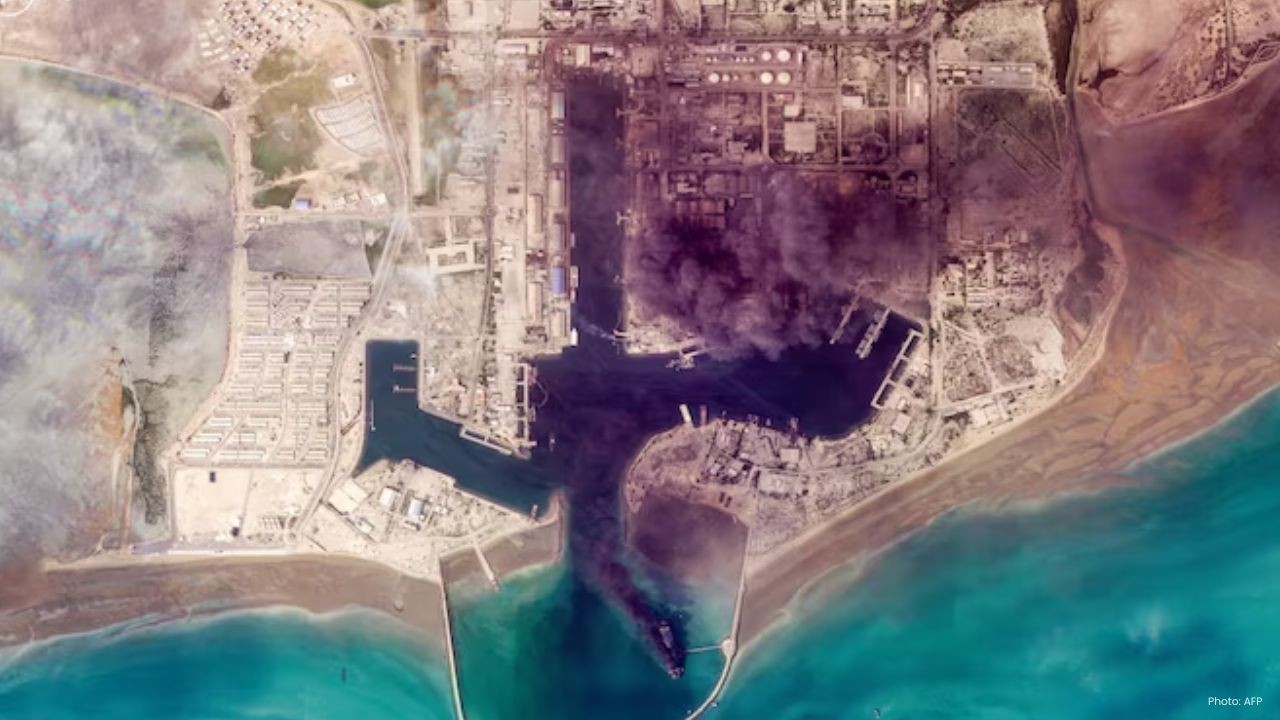
Asia Faces Energy Shock After Iran Closes Strait
Iran shuts Strait of Hormuz amid US-Israel strikes, sending oil prices higher and raising serious en


Bank of Baroda Faces Abu Dhabi Legal Battle over NMC Collapse
Bank of Baroda’s involvement in Abu Dhabi litigation tied to the NMC Healthcare collapse raises repu

Top Museum Openings of 2026 Set to Transform Global Tourism
From Los Angeles to Abu Dhabi and Brussels, 2026 brings major museum launches—Lucas Museum, Guggenhe

UAE Tour Highlights UAE’s Strength in Hosting Global Sports Events
Abu Dhabi Sports Council says the successful UAE Tour reflects the UAE’s leading role in hosting maj
EU Seeks Clarity from US After Supreme Court IEEPA Ruling
European Commission urges full transparency from the US on steps after Supreme Court ruling, emphasi
SpaceX Launches 53 New Satellites for Expanding Starlink Network
SpaceX launches 53 Starlink satellites in two Falcon 9 missions, breaking reuse records and expandin

RTA Awards Contract for Phase II of Hessa Street Upgrade in Dubai
Phase II of Hessa Street Development to add bridges, tunnel, and upgraded intersections, doubling ca

UAE Gold Prices Today, Monday 16 February 2026: Dubai & Abu Dhabi Updated Rates
Gold prices in UAE on 16 Feb 2026 updated: 24K around AED 599.75/gm, 22K AED 555.25/gm, and 18K AED

Over 25 Ahmedabad Schools Receive Bomb Threat Email, Authorities Investigate
More than 25 schools in Ahmedabad evacuated after bomb threat emails mentioning Khalistan. Authoriti