Post by : Anis Karim
Adventure travel is no longer niche. Activities like e‑biking in remote terrain, canyoning through wild gorges, glacier trekking, and back‑country diving have entered the mainstream. With this growth comes greater responsibility: remote conditions, evolving regulations, more diverse traveller profiles and equipment demands create fresh safety challenges.
In 2025, the industry and governments are responding. New regulatory frameworks are being introduced, certification standards raised, and gear innovation accelerated. For example, one recent guideline overhaul in a coastal Indian state means water‑sport operators must now adhere to international safety standards, ensure trained staff, and submit location assessments before launching new routes.
These developments reflect a shift: safety in adventure travel is not just about thrill—it’s about liability, professionalisation, gear reliability and traveller preparedness. For content creators, travel writers, guides and operators, understanding the changes is essential.
In 2025 many jurisdictions are tightening standards for adventure providers. Activities such as rafting, paragliding, canyoning and mountaineering now require certified guides, updated rescue protocols, and operator licences that meet international benchmarks. Tourists should check that the provider is certified under the latest framework rather than assume legacy compliance suffices.
Safety guidelines increasingly demand not just static checklists but dynamic risk evaluation. That means before launching zip‑lining, paragliding or lake excursions, locations must be assessed for terrain, weather variability, rescue access, satellite coverage and local emergency services. The shift reflects the fact that many adventures now happen in previously unexplored or under‑regulated zones.
Just as cars require periodic inspection, high‑risk adventure gear is coming under more scrutiny. Harnesses, ropes, helmets, drones, diving kits, e‑bikes and flotation devices must now align with stricter maintenance schedules, documented inspections, and traceability records. Operators who skip this risk losing licences or facing liability.
In past decades, safety briefings varied significantly. Now, 2025 guidelines emphasise that operators must provide clear, documented briefings, emergency protocols and hazard disclosures to clients. That means you—the traveller—should receive detailed instructions about what can go wrong, how equipment is maintained, what your role is in safety, and how to exit the adventure if you feel unsafe.
The rising cost of rescues, remote retrieval, and specialist gear means insurance is now central. Operators are being required to maintain liability cover, and in some regions travellers are asked to sign more detailed waiver forms acknowledging risks. Tour operators may also require proof of travel, health or rescue insurance for remote adventures.
Wearables are no longer just fitness gadgets—they’re safety tools. Heart‑rate variability monitors, GPS trackers with SOS functions, satellite communicators for remote zones, and real‑time weather alerts are now standard for serious travellers. If you’re trekking glaciers or cross‑country mountain biking, having remote‑area connectivity and device alerts can be lifelines.
In the past, bulky gear was the norm. Now: advanced lightweight helmets with impact sensors, personal flotation devices with GPS beacons, avalanche air‑bags that deploy automatically, and ultra‑hard but flexible protective layers for biking or climbing. The trend is towards gear that looks minimal but protects maximally.
In remote terrain, standard mobile phones may not suffice. 2025 gear lists include handheld satellite messengers, two‑way inventory tracking tools for groups, digital offline‑map devices with terrain awareness, and personal locator beacons (PLBs) that send alerts to rescue services. These tools are particularly relevant for multi‑day, independent adventure travel.
E‑biking continues to boom, and with it come new risks: powerful motors, longer distances, remote trails. Safety gear required now includes upgraded helmets (sometimes with rear‑impact sensors), multi‑terrain tyres, emergency repair toolkits designed for remote use, and reflectors/lighting systems meeting night‑trail standards.
For water adventures: inflatable rescue vests, wearable hydro‑SOS beacons, pre‑rigged anchor kits for canyoning. For high‑altitude trekking: portable oxygen monitors, emergency bivouac gear, avalanche transceivers and altitude‑specific first‑aid kits. The rule is: gear must match the specific environment.
Before booking, check that the operator is certified, has up‑to‑date equipment, publicly shares safety protocols and can demonstrate previous rescue/incident records if available. Research the terrain, climate variation for that season, local rescue infrastructure, and ensure you’re comfortable with the level of risk.
Don’t assume you’ll “figure it out on the ground.” If you’re doing canyoning or glacier trekking, request a gear list, verify tech specs and make sure you know how to operate the gear. Ask how recent the inspection or servicing was, especially for high‑risk equipment like harnesses, ropes or flotation devices.
Make sure you know how to call for help, where the nearest medical facility is, whether there’s satellite connectivity, and what the operator’s evacuation plan is. Even if you’re travelling independently, share your itinerary, carry a personal locator or emergency beacon, and establish check‑in times with someone back home.
Adventure is more than gear. Confirm you meet fitness/skill prerequisites, attend the safety briefing (or ask for one if it isn’t offered), understand the exit strategy, and be honest about your comfort level. If you feel uncertain at any point—stop, ask questions or opt out.
Ensure your travel insurance covers the specific activity (many standard policies exclude “extreme sports”). Carry digital and physical copies of health records, emergency contacts, operator licenses and gear inspection certificates if available. Consider local rescue or evacuation insurance if you’re in a remote zone.
In addition to activity‑specific gear, pack general safety items: headlamp, whistle, first‑aid kit, multi‑tool, portable charger, weather‑proof layers, GPS tracking device or satellite messenger, and copies of vital documents. Customise your pack based on activity, environment and local regulations.
Extreme weather events, melting ice, sudden storms and unstable terrain are more frequent. Adventure travellers must factor in “climate risk” into their trip. That means choosing flexible itineraries, monitoring weather data, carrying emergency shelter or high‑altitude gear, and avoiding zones flagged for sudden change.
As adventures push into less‑charted territory, rescue and medical infrastructure may lag behind. Always assume that evacuation may take longer, that you’ll be more responsible for self‑management, and plan accordingly with gear, skills and insurance.
Ironically, more tech creates new risks: dead batteries, no network, faulty alerts, gear glitches. Always carry backup devices (low‑tech and high‑tech), extra power sources, offline maps and manual navigation skills. Don’t rely solely on one device.
More operators means more variability in standards. Even where guidelines exist, enforcement may be weak. Travellers should verify operator training, gear maintenance records and local incident history rather than assume safety.
Altitude sickness, dehydration, insect‑borne diseases, water contamination, sun and wind exposure—all pose increased risk in remote adventure settings. Ensure you’re fully prepared: vaccinations, baseline health check, acclimatisation time and hydration strategies.
Imagine a rafting trip launching in a remote Indian river gorge. In 2025, new safety protocols require: certified rafting guides, pre‑trip briefings with hazard maps, GPS tracking of rafts, chain‑of‑communication with rescue teams, and gear inspection logs for life‑jackets, helmets and rafts. Traveller experience? More secure, but also more transparent and documented.
From a traveller’s perspective it means asking questions like: “Can I see your latest gear inspection certificate?” or “What’s your evacuation plan if the river floods?” These are not just drills—they reflect the new standard.
Adventure travel in 2025 promises more access, more extreme terrain, more varied experiences—but the stakes are higher. Safety is no longer a sidebar; it is embedded in the planning, gear, operator choice and traveller mindset.
When you venture into the wild—whether it’s canyoning in South Asia, glacier trekking in the Alps, or e‑biking through remote highlands—take into account the new guidelines, upgrade your gear, ask hard questions and prepare for the unexpected. The reward? A richer, safer, more sustainable adventure that looks back with pride rather than regret.
Adventure awaits—but only when it’s grounded in awareness, respect for the environment, and a solid safety plan.

US Stocks Slide as AI Fears, Inflation and Oil Surge Weigh
US stocks dropped as AI disruption fears hit tech firms, inflation rose above forecasts, and oil pri

Pacific Prime Wins Top Honors at Cigna Awards 2026
Pacific Prime secured Top Individual Broker and Top SME Broker awards at Cigna’s Annual Broker Award

QatarEnergy Halts LNG Output After Military Attack
QatarEnergy has stopped LNG production after military attacks hit its facilities in Ras Laffan and M

Strong 6.1 Magnitude Earthquake Hits West Sumatra, No Damage
A 6.1 earthquake struck off West Sumatra, Indonesia. No casualties, damage, or tsunami alert reporte
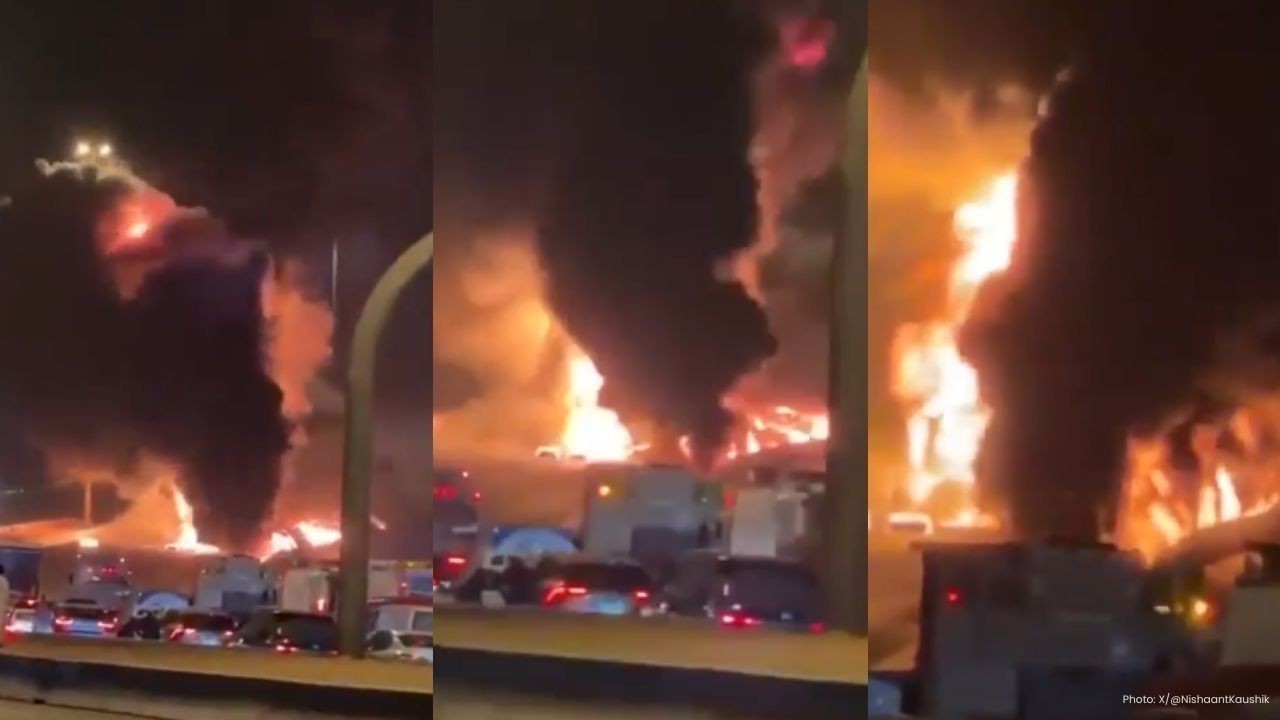
Saudi Confirms Drone Strike on US Embassy Riyadh
Two drones hit the US Embassy in Riyadh, causing a small fire and minor damage. No injuries were rep

UAE Restarts Limited Flights as Regional Airspace Disruptions Continue
UAE restarts limited flights from Dubai as US-Israel attacks on Iran disrupt regional airspace, forc
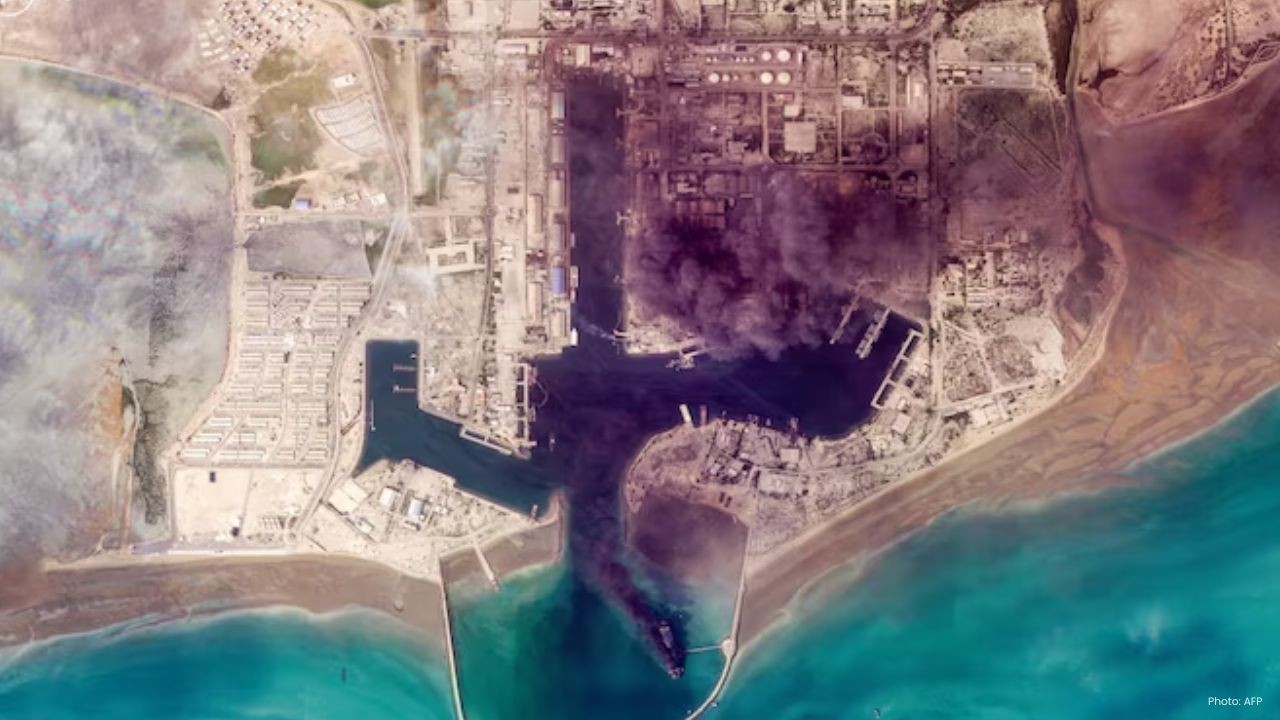
Asia Faces Energy Shock After Iran Closes Strait
Iran shuts Strait of Hormuz amid US-Israel strikes, sending oil prices higher and raising serious en


Bank of Baroda Faces Abu Dhabi Legal Battle over NMC Collapse
Bank of Baroda’s involvement in Abu Dhabi litigation tied to the NMC Healthcare collapse raises repu

Top Museum Openings of 2026 Set to Transform Global Tourism
From Los Angeles to Abu Dhabi and Brussels, 2026 brings major museum launches—Lucas Museum, Guggenhe

UAE Tour Highlights UAE’s Strength in Hosting Global Sports Events
Abu Dhabi Sports Council says the successful UAE Tour reflects the UAE’s leading role in hosting maj

EU Seeks Clarity from US After Supreme Court IEEPA Ruling
European Commission urges full transparency from the US on steps after Supreme Court ruling, emphasi
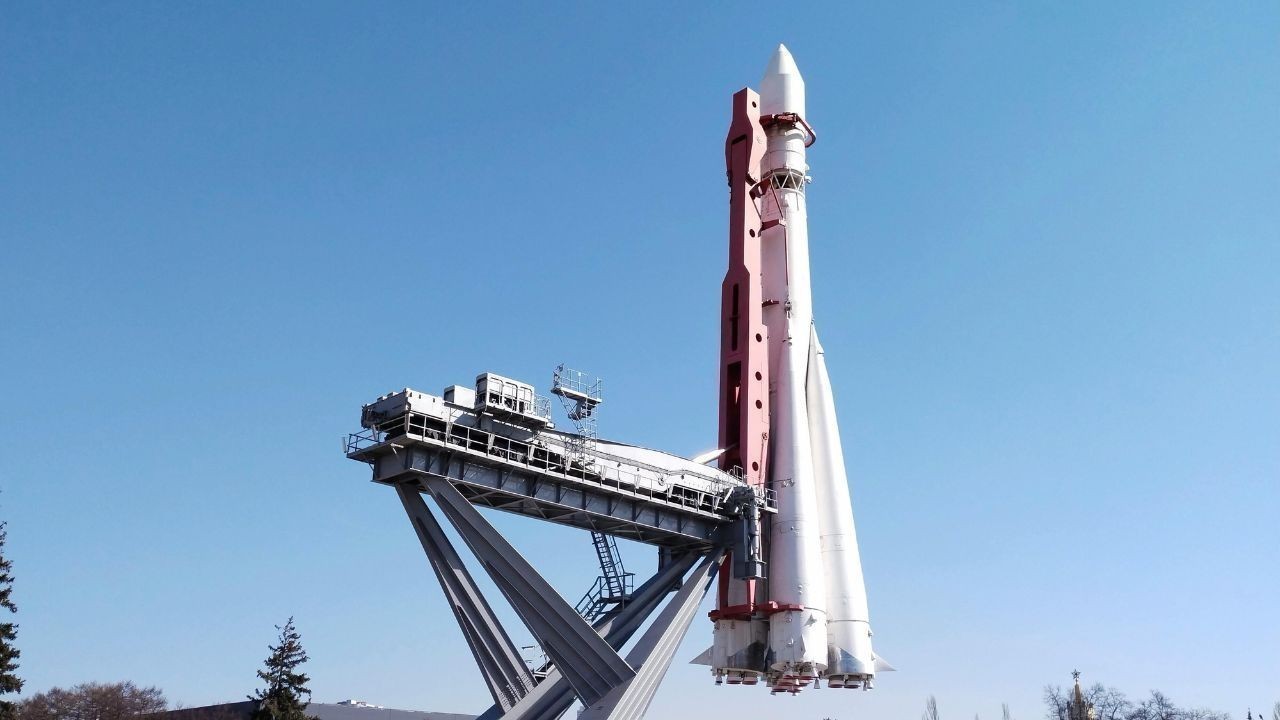
SpaceX Launches 53 New Satellites for Expanding Starlink Network
SpaceX launches 53 Starlink satellites in two Falcon 9 missions, breaking reuse records and expandin

RTA Awards Contract for Phase II of Hessa Street Upgrade in Dubai
Phase II of Hessa Street Development to add bridges, tunnel, and upgraded intersections, doubling ca

UAE Gold Prices Today, Monday 16 February 2026: Dubai & Abu Dhabi Updated Rates
Gold prices in UAE on 16 Feb 2026 updated: 24K around AED 599.75/gm, 22K AED 555.25/gm, and 18K AED

Over 25 Ahmedabad Schools Receive Bomb Threat Email, Authorities Investigate
More than 25 schools in Ahmedabad evacuated after bomb threat emails mentioning Khalistan. Authoriti