Post by : Bianca Qureshi
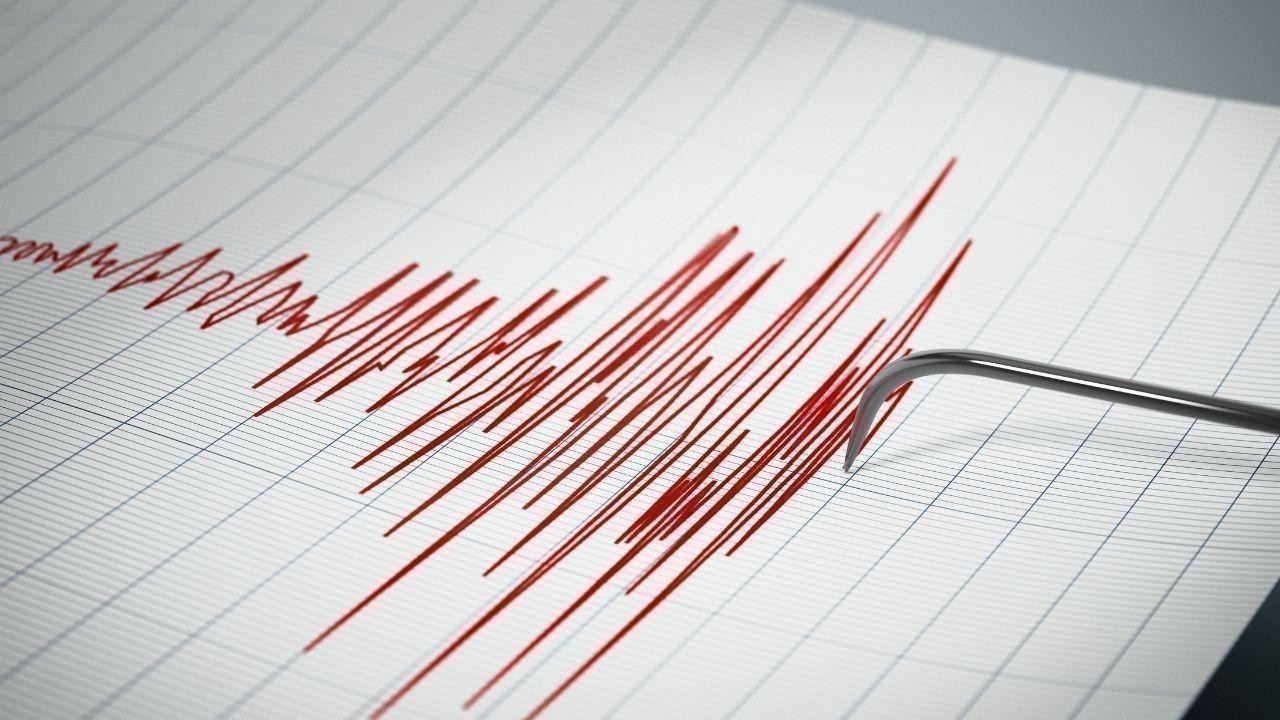
On Thursday, a significant earthquake measuring 6.2 on the Richter scale shook the eastern coast of Russia's Kamchatka Peninsula. The Kamchatka branch of the Geophysical Service of the Russian Academy of Sciences reported the details of this earthquake, helping the public understand the situation and its potential impacts.
Location and Depth of the Earthquake
The epicentre of the earthquake was located off the eastern coast of the Kamchatka Peninsula, one of Russia’s most seismically active regions. The quake occurred at a depth of 66.8 kilometers beneath the Earth’s surface. It was measured to be about 276 kilometers away from the city of Petropavlovsk-Kamchatsky, which is the administrative centre of Kamchatka Krai and a major hub for the region.
Stay informed with the latest news. Follow DXB News Network on WhatsApp Channel
Understanding the depth of an earthquake is important. Shallow earthquakes, which occur close to the Earth’s surface, often cause more noticeable shaking and damage. Earthquakes that occur deeper underground, like this one, usually produce less surface damage but can still be felt across a wide area. The 66.8 km depth indicates this earthquake was not extremely shallow, but it was strong enough to be widely noticeable.
Recent Seismic Activity in Kamchatka
Kamchatka is part of the Pacific "Ring of Fire," a region famous for frequent earthquakes and volcanic activity. The peninsula has experienced many strong earthquakes in the past. In fact, just a few weeks ago, on 30th July, the region experienced an extremely powerful earthquake measuring 8.8 on the Richter scale. This was the strongest earthquake in the entire monitoring period for Kamchatka.
The July 30 earthquake caused widespread concern, though detailed reports on damage or casualties were not immediately available. Scientists closely monitor the area for aftershocks, as earthquakes of such high magnitude often trigger smaller tremors in the following days and weeks.
Impact on Local Communities
Earthquakes, even those occurring far offshore, can be alarming for local residents. Petropavlovsk-Kamchatsky, although 276 km from the epicentre, may have felt the shaking. The intensity of the shaking decreases with distance, but residents closer to the coast or in elevated areas could have experienced stronger tremors.
Authorities in Kamchatka often issue warnings and safety instructions during seismic events. People are usually advised to stay away from unstable structures, avoid tall buildings, and remain cautious of landslides in hilly areas. Emergency services are often on alert to respond quickly in case of damage or injuries.
Scientific Observations
The Kamchatka branch of the Geophysical Service of the Russian Academy of Sciences provides valuable data on earthquakes. They use seismographs and other monitoring tools to measure the magnitude, depth, and location of quakes. This information helps scientists understand seismic patterns and issue warnings to reduce risk to human life and property.
The 6.2 magnitude earthquake adds to a series of seismic activities that have been closely monitored. While earthquakes of this strength are significant, they are not uncommon for this region. Scientists emphasize the importance of preparation, especially for residents living near the coast or in earthquake-prone areas.
Preparing for Earthquakes
Living in regions like Kamchatka requires awareness and preparation. Experts suggest several steps to stay safe:
Keep emergency kits ready with water, food, and first-aid supplies.
Identify safe spots inside homes, such as under strong tables or away from windows.
Stay informed through local news and official announcements from geological services.
Practice earthquake drills to ensure quick and calm reactions during tremors.
Preparedness can significantly reduce injuries and panic during earthquakes. Communities in Kamchatka and similar regions often practice regular drills and maintain communication channels to ensure everyone receives timely alerts.
Aftershocks and Continuing Monitoring
Aftershocks are smaller earthquakes that occur in the same region after a major quake. The recent 6.2 magnitude quake could trigger several aftershocks, which might be strong enough to be felt by residents but are usually less powerful than the main earthquake.
Scientists continue to monitor seismic activity closely, especially after large earthquakes. This allows them to update safety protocols and warn the public about potential risks. Monitoring also helps researchers study patterns, which can improve understanding of how earthquakes occur and how communities can stay safer.
Historical Context of Kamchatka’s Earthquakes
Kamchatka has a long history of earthquakes due to its location on the Pacific Ring of Fire. The region sits near tectonic plate boundaries, where movements of the Earth’s crust cause frequent seismic events. Over the years, Kamchatka has experienced multiple strong earthquakes, some causing significant damage and others mostly felt as tremors.
By studying past earthquakes, scientists can better predict potential future events. While it is impossible to predict the exact time of an earthquake, monitoring tectonic activity helps in assessing the risk and preparing residents for possible emergencies.
The 6.2 magnitude earthquake off Kamchatka's eastern coast on Thursday highlights the ongoing seismic activity in this active region. With its epicentre at 66.8 km depth and located 276 km from Petropavlovsk-Kamchatsky, the earthquake reminds residents and authorities of the importance of preparedness and awareness.
Following the major 8.8 earthquake on 30th July, this latest seismic event underscores the need for continuous monitoring and safety measures. Scientists and local authorities continue to track activity, providing essential information to keep people safe. Residents are advised to remain vigilant, follow safety instructions, and stay informed through official channels.
Earthquakes are a natural part of life in Kamchatka, but careful planning, education, and readiness can help minimize risks and protect lives. The region’s communities have long adapted to these challenges, combining scientific knowledge with practical safety measures to ensure resilience against seismic events.

US Stocks Slide as AI Fears, Inflation and Oil Surge Weigh
US stocks dropped as AI disruption fears hit tech firms, inflation rose above forecasts, and oil pri

Pacific Prime Wins Top Honors at Cigna Awards 2026
Pacific Prime secured Top Individual Broker and Top SME Broker awards at Cigna’s Annual Broker Award

QatarEnergy Halts LNG Output After Military Attack
QatarEnergy has stopped LNG production after military attacks hit its facilities in Ras Laffan and M
Strong 6.1 Magnitude Earthquake Hits West Sumatra, No Damage
A 6.1 earthquake struck off West Sumatra, Indonesia. No casualties, damage, or tsunami alert reporte

Saudi Confirms Drone Strike on US Embassy Riyadh
Two drones hit the US Embassy in Riyadh, causing a small fire and minor damage. No injuries were rep

UAE Restarts Limited Flights as Regional Airspace Disruptions Continue
UAE restarts limited flights from Dubai as US-Israel attacks on Iran disrupt regional airspace, forc
Asia Faces Energy Shock After Iran Closes Strait
Iran shuts Strait of Hormuz amid US-Israel strikes, sending oil prices higher and raising serious en


Bank of Baroda Faces Abu Dhabi Legal Battle over NMC Collapse
Bank of Baroda’s involvement in Abu Dhabi litigation tied to the NMC Healthcare collapse raises repu

Top Museum Openings of 2026 Set to Transform Global Tourism
From Los Angeles to Abu Dhabi and Brussels, 2026 brings major museum launches—Lucas Museum, Guggenhe

UAE Tour Highlights UAE’s Strength in Hosting Global Sports Events
Abu Dhabi Sports Council says the successful UAE Tour reflects the UAE’s leading role in hosting maj

EU Seeks Clarity from US After Supreme Court IEEPA Ruling
European Commission urges full transparency from the US on steps after Supreme Court ruling, emphasi
SpaceX Launches 53 New Satellites for Expanding Starlink Network
SpaceX launches 53 Starlink satellites in two Falcon 9 missions, breaking reuse records and expandin

RTA Awards Contract for Phase II of Hessa Street Upgrade in Dubai
Phase II of Hessa Street Development to add bridges, tunnel, and upgraded intersections, doubling ca

UAE Gold Prices Today, Monday 16 February 2026: Dubai & Abu Dhabi Updated Rates
Gold prices in UAE on 16 Feb 2026 updated: 24K around AED 599.75/gm, 22K AED 555.25/gm, and 18K AED

Over 25 Ahmedabad Schools Receive Bomb Threat Email, Authorities Investigate
More than 25 schools in Ahmedabad evacuated after bomb threat emails mentioning Khalistan. Authoriti