
Post by : Anis Karim
In 2025, air travel is far from the glide-through experience many expect. Delays, cancellations, baggage mishaps and hidden fees continue to frustrate travellers—while regulatory bodies respond with fresh rules. Across the U.S., Europe and other key markets, governments are strengthening passenger protections and forcing airlines to step up customer service standards. But for many flyers, the question remains: What are my rights now, and how do I enforce them?
This article walks you through the significant recent changes in airline customer service rights, how these affect your journey, and practical steps you can take if things go wrong. Whether you're planning a holiday or a business trip, knowing your rights puts you in a more empowered position.
Airline consumer protections have seen major updates recently. Some of the most important developments include:
In the United States, the federal regulator has issued final rules requiring airlines to provide automatic cash refunds (in the original form of payment) when flights are cancelled or significantly changed—without forcing passengers to accept vouchers or travel credits. These rules define a “significant change” as domestic delays of more than three hours or international delays of more than six hours. The airline must refund within seven business days for credit-card purchases and 20 calendar days for other forms of payment.
These changes mark a major shift from previous norms where passengers often had to negotiate or claim for refunds themselves.
In Europe, transport ministers have reached a position on updated air-passenger rights regulations, introducing over 30 new or clarified rights. These include a firm right to rerouting—including via other carriers or alternative transport modes if the airline fails to provide a timely flight; clear assistance standards (meals, refreshments, accommodation) in case of long delays or tarmac waits; updated thresholds for compensation (for example intra-EU flights delayed four hours or more may qualify); and strengthened obligations for airlines to inform passengers about their rights and complaint processes.
These changes reflect a shift toward more transparent, consumer-facing protections.
Regulators are growing more aggressive in monitoring airlines’ customer service performance. For example, in the U.S., the aviation authority has issued warnings and fines to major carriers for chronic delays, misleading schedules or failure to comply with service standards. The message is clear: airlines are being held accountable more strictly than before.
Together, these developments signal that airline rights are no longer just “nice to have” but are becoming enforceable rules.
Understanding the practical impact of these updates helps you be better prepared when flights don’t go as planned.
With automatic refund rules and mandated information rights, passengers now have fewer hidden hurdles. If your flight is significantly delayed, cancelled or you pay for extra services that aren’t delivered (e.g., seat selection, checked baggage), you have clearer grounds to claim.
The clearer the rules, the easier it is to demand compliance. Airlines now have prescribed time frames to refund, must offer rerouting under defined conditions, and can’t shy from providing assistance. For example, if your flight is rerouted or you’re denied boarding due to airline-caused issues, you can expect the airline to contact you with compensation or rebooking, rather than you chasing them.
Despite the improvements, there are limits. Some rules don’t yet cover every region, not all compensation regimes guarantee cash payments, and “extraordinary circumstances” (such as weather or strikes) can still exempt airlines from liability. Also, changes may apply only after formal adoption—so legislation pending, or transitional periods may delay enforcement.
If your airline causes disruption, you can take action. Here’s a practical guide:
Start at the moment the issue arises. Save your booking confirmation, boarding passes, emails or texts from the airline, time of delay or cancellation, receipts for expenditures (meals, hotels, transport) incurred because of disruption. Clear documentation strengthens your claim.
Look up the applicable regulations for your flight: domestic vs international, departure country, carrier. Under U.S. law, you may be eligible for a refund. Under EU rules, rerouting, assistance and compensation may apply. Be sure you know which regime covers you.
Most airlines allow online claim submissions. Use the airline’s website or customer-service channels to request refund or compensation, referencing the regulation or policy you believe applies. Be clear, factual and polite but firm.
Regulations often set deadlines for lodging claims and for airlines to respond. For example, under recent EU proposals, airlines may need to respond within 14 days after a passenger’s claim. Acting quickly improves your chances.
If the airline fails to respond or refuses to pay a rightful claim, you can escalate to the national aviation regulator or consumer body in your country. In Europe, these rights may already be protected by national enforcement bodies. In the U.S., you can submit complaints to the federal aviation authority.
Some jurisdictions offer ombudsman, arbitration or small-claims processes for passenger rights. These can be quicker than full litigation and may still compel airlines to comply.
Certain situations trigger additional protections or require special attention:
If your checked luggage is significantly delayed or lost, airlines must refund the baggage fees and may owe further compensation under some jurisdictions. Keep your baggage check-in tags and report mishandled baggage promptly.
If you miss a connecting flight because of an initial delay by the airline, you may be eligible for rerouting or refund under many regulatory regimes. Calculate your total journey delays and affected legs.
Some new regulations specifically protect these groups. For example, airlines may be required to seat children under a certain age next to their guardians or address mobility needs. Airlines must provide extra assistance when faults affect these passengers.
One of the priority areas for regulators is transparency around ancillary fees (baggage, seat selection, cancellations). Airlines may now be required to disclose total costs upfront—even if regulatory adoption is ongoing. This makes comparing fares more meaningful.
Air-passenger rights are not uniform worldwide, so travellers need to check region-specific rules.
Automatic refunds for significant changes and cancellations are now a baseline right. But cash compensation for delays is still limited compared to other regions. Many protections apply once rule changes take full effect and airlines have updated their systems.
The EU is progressing major regulatory updates which will increase clarity around rerouting, assistance, compensation and information rights. Some compensation amounts may change (some routes see reduced amounts, while thresholds for eligibility may increase). Pending full adoption, travellers may already use these emerging rights as the baseline.
Countries such as Canada and Australia are also consulting reforms. Many will align with global best practices over time. If you’re flying regionally, look up the national aviation authority’s passenger-rights charter.
The regulatory momentum suggests more improvements ahead:
Airlines may be required to pay cash compensation (not just refunds or travel credits) for delays/cancellations caused by their operations, not external factors.
Standardised claim forms across carriers and jurisdictions may make submitting claims easier for passengers.
Airlines may face stricter capacity and scheduling oversight, reducing chronic delays and missed connections.
Increased transparency around ancillary fees, service standards, and passenger satisfaction metrics.
More self-service and digital tools—airlines are expanding apps, chatbots and messaging platforms to handle disruptions faster.
Airline customer service rights are evolving in 2025. Much of the change is driven by regulatory pressure, consumer advocacy and industry need to restore trust. For passengers, the take-away is simple: knowing your rights matters as much as being a good traveller. If your flight is disrupted, you now have firmer ground to stand on—whether that means rerouting, refund, compensation or assistance.
By preparing ahead, documenting carefully, acting promptly and leveraging regional regulations, you can turn a travel setback into a manageable event rather than a nightmare. The next time you face a delay or cancellation, you won’t just wonder “What can I do?”—you’ll already know.
This article is intended for informational purposes only and does not constitute legal or financial advice. Passenger rights vary by country and airline, and full compliance depends on local regulations. Travellers should review official aviation-authority guidance or consult legal professionals for case-specific situations.

US Stocks Slide as AI Fears, Inflation and Oil Surge Weigh
US stocks dropped as AI disruption fears hit tech firms, inflation rose above forecasts, and oil pri

Pacific Prime Wins Top Honors at Cigna Awards 2026
Pacific Prime secured Top Individual Broker and Top SME Broker awards at Cigna’s Annual Broker Award

QatarEnergy Halts LNG Output After Military Attack
QatarEnergy has stopped LNG production after military attacks hit its facilities in Ras Laffan and M
Strong 6.1 Magnitude Earthquake Hits West Sumatra, No Damage
A 6.1 earthquake struck off West Sumatra, Indonesia. No casualties, damage, or tsunami alert reporte

Saudi Confirms Drone Strike on US Embassy Riyadh
Two drones hit the US Embassy in Riyadh, causing a small fire and minor damage. No injuries were rep
UAE Restarts Limited Flights as Regional Airspace Disruptions Continue
UAE restarts limited flights from Dubai as US-Israel attacks on Iran disrupt regional airspace, forc
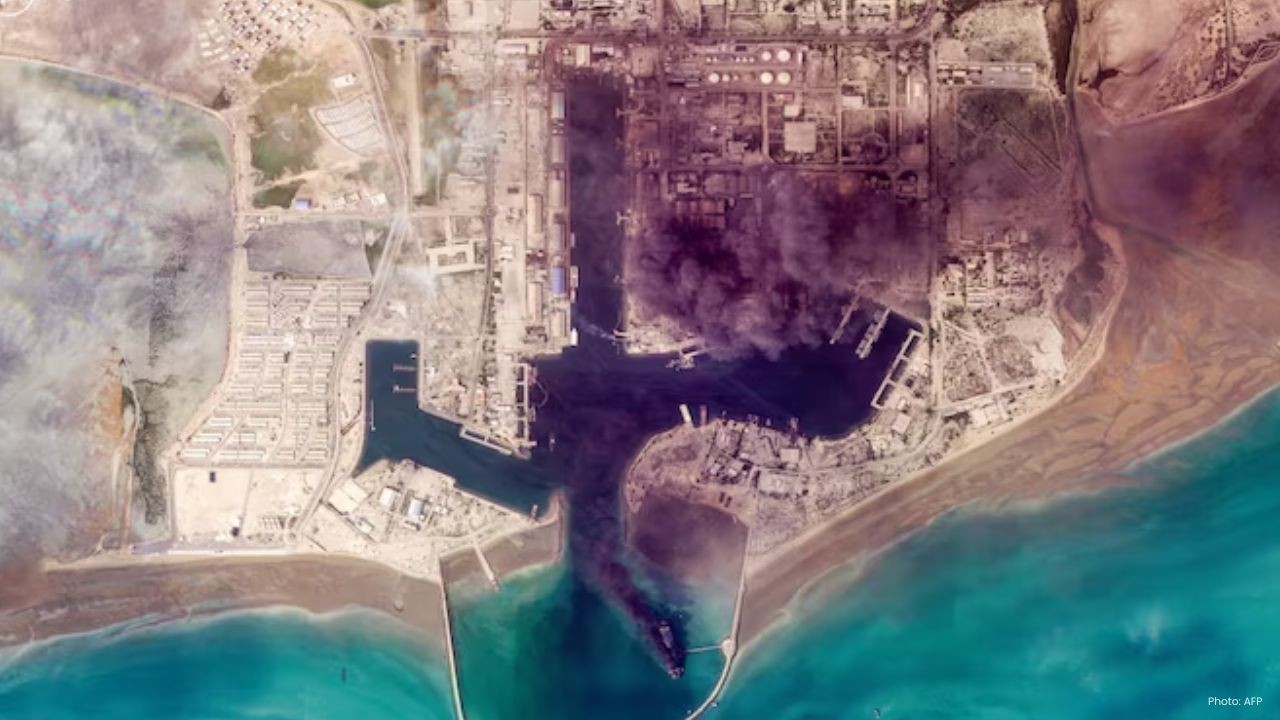
Asia Faces Energy Shock After Iran Closes Strait
Iran shuts Strait of Hormuz amid US-Israel strikes, sending oil prices higher and raising serious en


Bank of Baroda Faces Abu Dhabi Legal Battle over NMC Collapse
Bank of Baroda’s involvement in Abu Dhabi litigation tied to the NMC Healthcare collapse raises repu

Top Museum Openings of 2026 Set to Transform Global Tourism
From Los Angeles to Abu Dhabi and Brussels, 2026 brings major museum launches—Lucas Museum, Guggenhe

UAE Tour Highlights UAE’s Strength in Hosting Global Sports Events
Abu Dhabi Sports Council says the successful UAE Tour reflects the UAE’s leading role in hosting maj
EU Seeks Clarity from US After Supreme Court IEEPA Ruling
European Commission urges full transparency from the US on steps after Supreme Court ruling, emphasi

SpaceX Launches 53 New Satellites for Expanding Starlink Network
SpaceX launches 53 Starlink satellites in two Falcon 9 missions, breaking reuse records and expandin

RTA Awards Contract for Phase II of Hessa Street Upgrade in Dubai
Phase II of Hessa Street Development to add bridges, tunnel, and upgraded intersections, doubling ca

UAE Gold Prices Today, Monday 16 February 2026: Dubai & Abu Dhabi Updated Rates
Gold prices in UAE on 16 Feb 2026 updated: 24K around AED 599.75/gm, 22K AED 555.25/gm, and 18K AED

Over 25 Ahmedabad Schools Receive Bomb Threat Email, Authorities Investigate
More than 25 schools in Ahmedabad evacuated after bomb threat emails mentioning Khalistan. Authoriti