
Post by : Sam Jeet Rahman
Middle-class families often work the hardest, budget the most carefully, and still feel constant financial pressure. Despite stable incomes, many households struggle with savings, rising expenses, and long-term security. The reason is rarely lack of effort. It is usually money management mistakes that quietly compound over time.
These mistakes are common, normalized, and often inherited through habits rather than conscious choices. This article explains the most frequent money management mistakes middle-class families make, why they happen, and how to fix them with practical, realistic changes.
Many families assume that a regular salary equals safety.
Job markets change quickly
Medical or family emergencies disrupt income
Inflation reduces real earning power
A stable income without buffers is fragile.
Build financial resilience, not just reliance on salary. This means emergency savings, insurance, and diversified income awareness.
Inflation slowly erodes purchasing power, yet many families plan expenses using outdated assumptions.
School fees rising faster than expected
Grocery bills increasing monthly
Healthcare costs jumping suddenly
Ignoring inflation creates budget shock.
Review household expenses every 6 months
Increase savings and investments gradually
Avoid locking finances into rigid structures
Planning for inflation is not pessimism—it is realism.
The most common budgeting error is saving after expenses.
Expenses expand to fill income
Savings become inconsistent
Emergencies wipe out progress
Leftover saving rarely builds wealth.
Treat savings like a fixed monthly expense. Automate it immediately after income is received.
Safety is important, but excessive focus on guaranteed returns creates long-term loss.
Returns often fail to beat inflation
Taxes reduce real gains
Long-term goals fall short
Money appears safe but grows weaker.
Separate money by purpose:
Short-term safety in low-risk instruments
Long-term goals in growth-oriented options
This balance protects both peace of mind and future value.
As income rises, expenses quietly rise too.
Bigger house with higher EMIs
Frequent dining and subscriptions
Costly gadgets upgraded regularly
Comfort becomes commitment.
Higher fixed expenses reduce flexibility. During income disruption, lifestyle inflation becomes financial stress.
Increase comfort slowly, but increase savings faster than lifestyle.
Many families rely on credit cards or loans during emergencies.
High-interest debt accumulates fast
Stress increases during crisis
Recovery takes years
Emergencies are predictable, even if timing isn’t.
Maintain an emergency fund covering at least 6 months of essential expenses, kept liquid and accessible.
Not all debt is equal, but many families treat it that way.
Paying minimum credit card dues
Ignoring high-interest personal loans
Delaying prepayment of costly EMIs
Interest quietly eats future income.
Always prioritize high-interest debt first, even if amounts seem small.
Insurance is often viewed as an unnecessary cost.
Medical inflation rises faster than income
Late insurance costs more
Inadequate coverage drains savings
Insurance is protection, not investment.
Adequate health insurance for the entire family
Life insurance aligned with responsibilities
Early planning saves money and stress.
Education and future planning are often handled emotionally.
No dedicated education fund
Borrowing later at high cost
Last-minute financial pressure
Children’s goals need long timelines.
Start small, early, and consistently. Time reduces pressure more than large contributions.
Financial habits are learned at home.
Children grow up financially dependent
Poor spending habits continue
Family stress repeats across generations
Money education is a family responsibility.
Involve children in budgeting discussions
Teach saving, not just spending
Explain value, not just price
This builds generational financial intelligence.
During market uncertainty, fear and greed drive decisions.
Switching investments frequently
Following tips from friends or social media
Panic selling during downturns
This destroys long-term growth.
A simple, consistent plan beats reactive decisions every time.
Many families don’t know where their money goes monthly.
Small leaks compound yearly
Overspending remains unnoticed
Savings stagnate
Awareness precedes control.
Track expenses for at least 90 days. Patterns become clear quickly.
Short-term comfort often overshadows long-term security.
Retirement planning
Healthcare costs later in life
Inflation impact over decades
The future becomes expensive when ignored early.
Plan for today, but fund tomorrow consistently.
Stress triggers impulsive decisions.
Shopping for relief
Eating out excessively
Unplanned upgrades
Emotional spending drains finances silently.
Pause before spending during stress. Delay decisions by 24 hours.
Hope is not a strategy.
Delays action
Normalizes financial pressure
Increases dependence on credit
Clarity replaces anxiety.
Small, consistent steps create control.
Save first, spend later
Reduce high-interest debt
Plan for inflation
Separate goals clearly
Review finances regularly
Progress does not require perfection—only consistency.
Middle-class families are not failing financially; they are operating within systems that demand better planning than ever before. Avoiding these common mistakes creates stability, confidence, and long-term freedom.
Money management is not about restriction—it is about intentional control.
This article is intended for general informational and educational purposes only and does not constitute financial, legal, or investment advice. Financial situations vary based on income, location, responsibilities, and personal goals. Readers are advised to consult a qualified financial professional before making significant financial decisions or changes.

US Stocks Slide as AI Fears, Inflation and Oil Surge Weigh
US stocks dropped as AI disruption fears hit tech firms, inflation rose above forecasts, and oil pri

Pacific Prime Wins Top Honors at Cigna Awards 2026
Pacific Prime secured Top Individual Broker and Top SME Broker awards at Cigna’s Annual Broker Award

QatarEnergy Halts LNG Output After Military Attack
QatarEnergy has stopped LNG production after military attacks hit its facilities in Ras Laffan and M

Strong 6.1 Magnitude Earthquake Hits West Sumatra, No Damage
A 6.1 earthquake struck off West Sumatra, Indonesia. No casualties, damage, or tsunami alert reporte

Saudi Confirms Drone Strike on US Embassy Riyadh
Two drones hit the US Embassy in Riyadh, causing a small fire and minor damage. No injuries were rep

UAE Restarts Limited Flights as Regional Airspace Disruptions Continue
UAE restarts limited flights from Dubai as US-Israel attacks on Iran disrupt regional airspace, forc
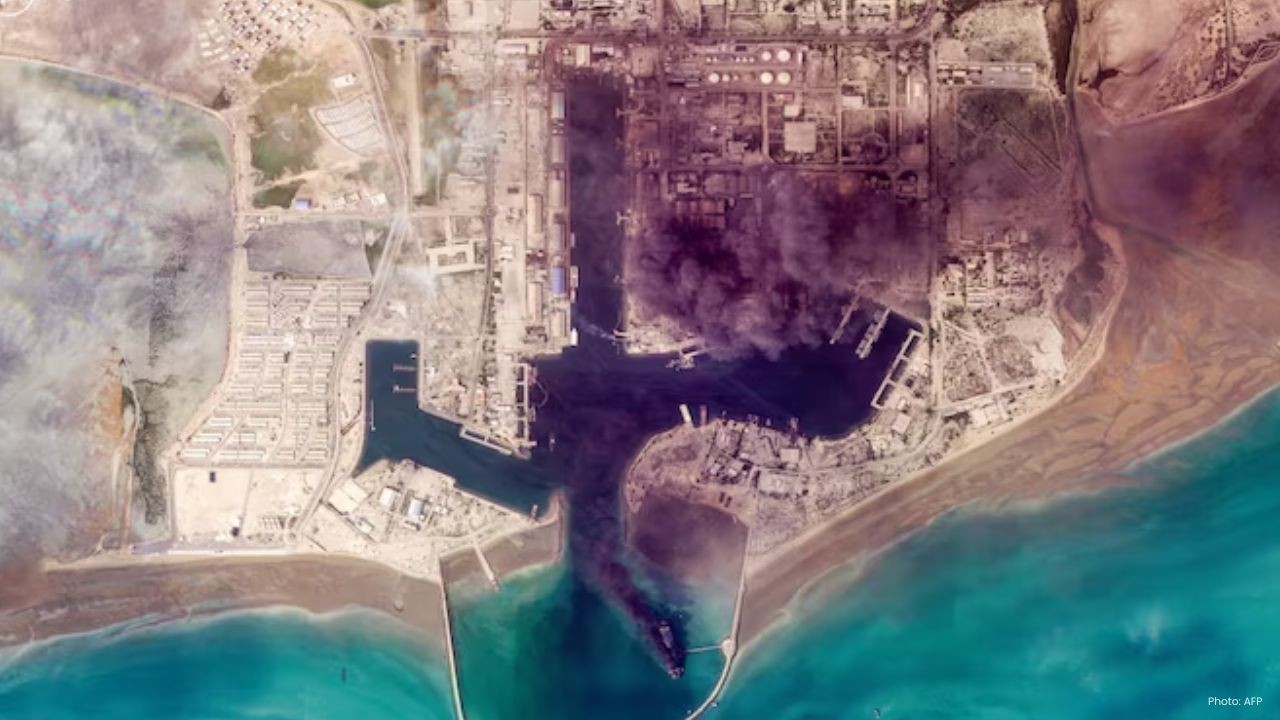
Asia Faces Energy Shock After Iran Closes Strait
Iran shuts Strait of Hormuz amid US-Israel strikes, sending oil prices higher and raising serious en


Bank of Baroda Faces Abu Dhabi Legal Battle over NMC Collapse
Bank of Baroda’s involvement in Abu Dhabi litigation tied to the NMC Healthcare collapse raises repu

Top Museum Openings of 2026 Set to Transform Global Tourism
From Los Angeles to Abu Dhabi and Brussels, 2026 brings major museum launches—Lucas Museum, Guggenhe

UAE Tour Highlights UAE’s Strength in Hosting Global Sports Events
Abu Dhabi Sports Council says the successful UAE Tour reflects the UAE’s leading role in hosting maj
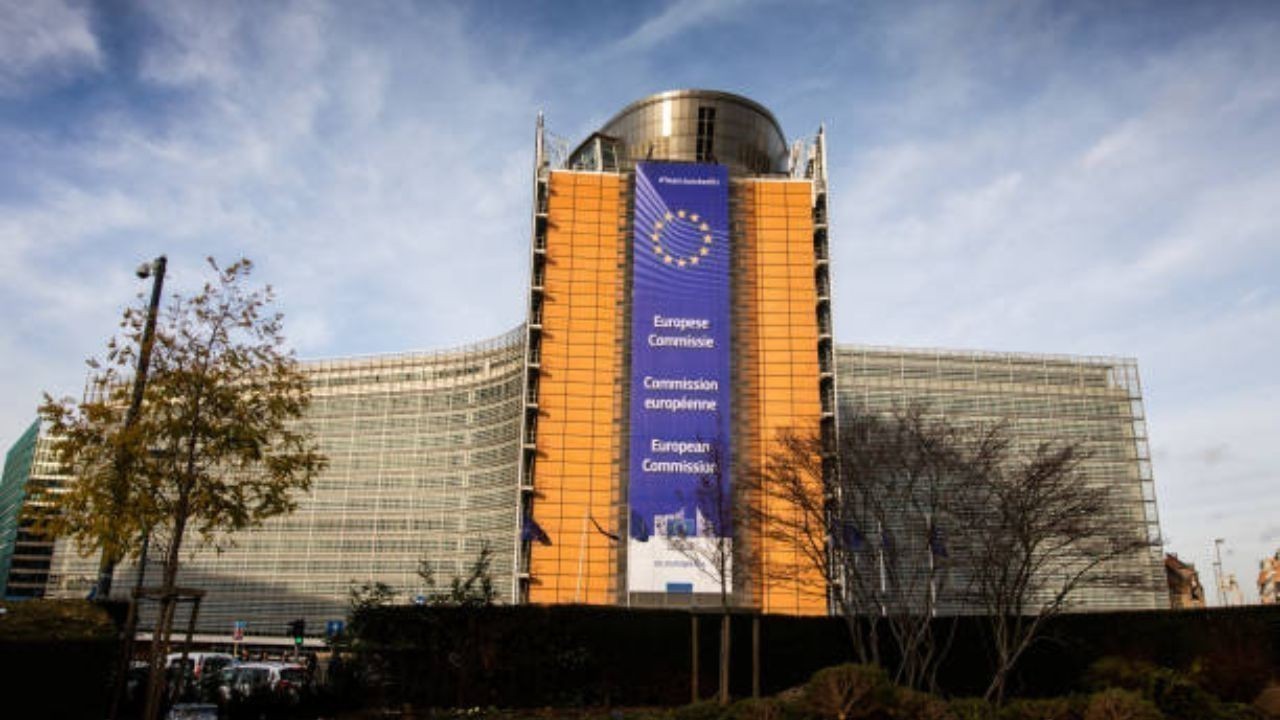
EU Seeks Clarity from US After Supreme Court IEEPA Ruling
European Commission urges full transparency from the US on steps after Supreme Court ruling, emphasi
SpaceX Launches 53 New Satellites for Expanding Starlink Network
SpaceX launches 53 Starlink satellites in two Falcon 9 missions, breaking reuse records and expandin

RTA Awards Contract for Phase II of Hessa Street Upgrade in Dubai
Phase II of Hessa Street Development to add bridges, tunnel, and upgraded intersections, doubling ca

UAE Gold Prices Today, Monday 16 February 2026: Dubai & Abu Dhabi Updated Rates
Gold prices in UAE on 16 Feb 2026 updated: 24K around AED 599.75/gm, 22K AED 555.25/gm, and 18K AED

Over 25 Ahmedabad Schools Receive Bomb Threat Email, Authorities Investigate
More than 25 schools in Ahmedabad evacuated after bomb threat emails mentioning Khalistan. Authoriti