Post by : Anis Karim
A Changing Approach to Everyday Pain Relief
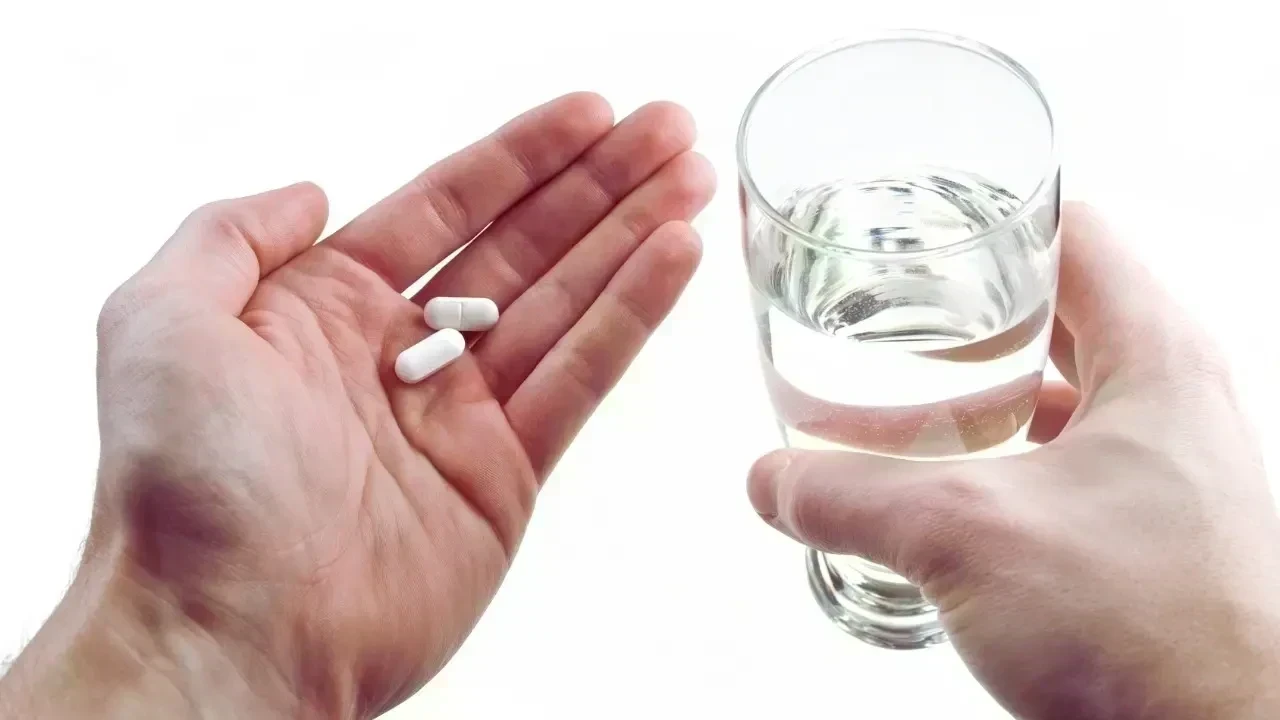
For years, painkillers have been the first line of defence against headaches, muscle soreness, back pain, menstrual discomfort, or minor injuries. People reached for them automatically, often without thinking twice. But recently, a noticeable shift is happening: individuals are becoming more cautious about frequent painkiller use and are exploring safer, gentler alternatives.
This change is not based on fear or misinformation — it’s shaped by growing awareness of long-term side effects, changing health priorities, and the desire to avoid unnecessary medication. As more people take ownership of their daily health decisions, pain management is evolving.
Why Painkillers Once Felt Like an Easy Solution
Painkillers have been widely available, affordable, and fast-acting. For busy lives and demanding schedules, quick relief seemed essential. Painkillers offered:
– Immediate comfort
– Convenience
– No need for medical consultation
– Temporary relief from daily discomfort
– A sense of control
But as people learned more about how these medicines work and their potential risks, attitudes began to shift.
Growing Awareness of Side Effects
One of the strongest reasons for reassessing painkillers is the increased understanding of their side effects. Though effective, painkillers — especially when used frequently — can cause issues such as:
– Stomach irritation
– Acidity
– Liver strain
– Kidney stress
– Allergic reactions
– Dependency patterns
– Reduced effectiveness over time
Even over-the-counter painkillers are not meant for continuous use. People are beginning to recognise that every medication, no matter how common, should be handled thoughtfully.
The Rise of Long-Term Health Consciousness
People today think more about long-term wellbeing than ever before. They’re focusing on preventive care, sustainable habits, and minimising chemical dependency. Painkillers, which offer short-term relief without addressing root causes, no longer fit well with this modern approach to health.
Instead of masking pain, many individuals want to understand why it’s happening in the first place. This shift in mindset encourages exploring alternatives that support healing rather than simply suppressing discomfort.
Increased Access to Information
Online health resources, campaigns, and medical awareness initiatives have empowered people to understand their bodies better. Information that was once limited to medical consultations is now easily accessible, making individuals more confident in evaluating their own treatment options.
People now question:
– Is this pain recurring?
– Why does it happen?
– Can lifestyle changes help?
– Are there gentler remedies?
– Do I really need a painkiller?
This reflective approach drives more mindful choices.
Understanding the Hidden Pattern of Over-Reliance
Many people did not realise how often they reached for painkillers until they began tracking their routines. Headaches from dehydration, posture-related back pain, menstrual cramps, or stress-induced aches were being treated the same way — with medication.
But as individuals started noticing these patterns, they realised their bodies were signalling deeper issues. Pain was not always the enemy — it was information.
Concerns About Painkiller Tolerance
Regular use of painkillers can reduce their effectiveness over time. The body becomes less responsive, requiring higher doses for the same relief. This tolerance cycle pushes people to rethink long-term use.
Reassessing painkillers becomes a way to:
– Protect the body
– Avoid dependency
– Preserve medication effectiveness for emergencies
This awareness supports the shift toward alternative methods.
The Search for Gentler, Everyday Options
As awareness spreads, people are exploring pain-relief methods that are gentler, safer, and supportive of healing. These alternatives don’t replace painkillers entirely but help reduce reliance on them.
Below are the most popular alternatives that individuals are adopting:
Heat Therapy for Muscle and Joint Pain
Heat relaxes tight muscles, improves blood flow, and reduces stiffness. People use:
– Warm compresses
– Heating pads
– Warm showers
– Hot water bags
Heat therapy helps with back stiffness, neck tension, menstrual pain, and post-exercise soreness.
Cold Therapy for Injuries and Inflammation
Cold therapy reduces swelling and numbs sharp pain. It is especially effective for:
– Sprains
– Sports injuries
– Inflammation
– Sudden swelling
A simple ice pack applied correctly can prevent worsening of the injury.
Gentle Stretching and Mobility Work
Many aches stem from tight muscles or prolonged sitting. Stretching improves flexibility, releases muscle knots, and prevents recurring pain. People find relief through:
– Short mobility routines
– Desk stretches
– Yoga
– Slow morning warm-ups
Movement often treats the root cause of pain more effectively than medication.
Hydration and Balanced Nutrition
Dehydration, skipped meals, or nutritional deficiencies often trigger headaches and fatigue. People are increasingly relying on:
– Consistent water intake
– Electrolytes when needed
– Balanced meals
– Magnesium-rich foods for muscle relaxation
Nutrition-based approaches reduce pain from within.
Mind-Body Relaxation Techniques
Stress is one of the biggest contributors to chronic pain. Relaxation practices help calm the body and reduce tension. These include:
– Deep breathing
– Meditation
– Light evening walks
– Mindfulness routines
– Restorative stretching
Reducing stress naturally reduces pain.
Better Sleep as a Natural Pain Manager
Poor sleep intensifies sensitivity to pain. With more people adopting consistent sleep routines, many are experiencing reduced discomfort without extra medication.
Good sleep hygiene includes:
– Regular bedtimes
– Reduced late-night screens
– Dark and quiet sleeping environments
Better sleep becomes a long-term solution to recurring pain.
Topical Balms and Creams
Non-oral solutions such as balms, gels, and herbal ointments offer pain relief without stressing internal organs. They are commonly used for:
– Joint pain
– Sports strain
– Back stiffness
– Period pain
Topicals provide targeted comfort with minimal risk.
Herbal and Traditional Remedies
Herbal alternatives are gaining popularity because they are gentle and natural. Some widely used options include:
– Turmeric for inflammation
– Ginger for pain and nausea
– Chamomile for relaxation
– Mint for tension headaches
– Essential oils for aromatherapy
These remedies work best when used consistently and safely.
Massage and Physical Therapy
Professional massage or physiotherapy addresses structural issues that cause pain. These treatments:
– Improve blood circulation
– Reduce muscle knots
– Correct posture
– Strengthen weak muscles
For chronic pain, these methods often offer deeper, longer-lasting relief.
Posture Correction and Ergonomic Changes
Back, neck, and shoulder pain frequently stem from posture issues. Individuals are adjusting their workspaces with:
– Ergonomic chairs
– Laptop stands
– Correct screen height
– Supportive pillows
These adjustments reduce strain and prevent pain recurrence.
Why People Prefer These Alternatives
Safer alternatives appeal to users because they:
– Support long-term health
– Treat the root cause
– Have fewer side effects
– Can be done at home
– Are cost-effective
– Build healthier habits
They don’t eliminate the need for painkillers entirely, but they greatly reduce dependency.
A Balanced Approach Is the New Trend
Dentists, physiotherapists, general physicians, and wellness professionals all emphasise the same message: painkillers have their place, but they should be used wisely.
People are learning to approach pain with perspective:
– Understand the cause
– Try gentler options first
– Use medication when genuinely needed
– Avoid overusing pills for convenience
This balanced mindset reflects a healthier modern lifestyle.
When Painkillers Are Still Necessary
Despite the rise of alternatives, there are moments when painkillers are absolutely appropriate, such as:
– Injury-related pain
– Post-surgical recovery
– Severe headaches
– High-fever discomfort
– Unmanageable cramps
The key is to use them responsibly.
Looking Ahead: A Healthier Relationship With Pain Relief
People are becoming more thoughtful about how they handle pain. The shift toward safer alternatives reflects a broader wellness culture — one focused on long-term care, self-awareness, and preventive habits.
Painkillers remain valuable tools, but they’re no longer the first or only option. Individuals today prefer solutions that align with healthier living, mindful choices, and sustainable wellbeing.
Disclaimer:
This article provides general wellness information and does not replace professional medical advice. Individuals should consult qualified healthcare professionals for personalised recommendations.

Big Bad Wolf Books Dubai 2026 Extended to March 15
The world’s largest book sale in Dubai Studio City extended to March 15, offering 18,000 titles, fre

Miruna Launches Modest Collection Featuring Statement Designs
Miruna unveils its new Modest collection, blending expressive silhouettes, luxe textures, and statem

AMINA Joins 21X as First Regulated Bank for Token Trading
Swiss bank AMINA partners with 21X and Tokeny, creating end-to-end tokenisation infrastructure for r

US Stocks Slide as AI Fears, Inflation and Oil Surge Weigh
US stocks dropped as AI disruption fears hit tech firms, inflation rose above forecasts, and oil pri

Pacific Prime Wins Top Honors at Cigna Awards 2026
Pacific Prime secured Top Individual Broker and Top SME Broker awards at Cigna’s Annual Broker Award

QatarEnergy Halts LNG Output After Military Attack
QatarEnergy has stopped LNG production after military attacks hit its facilities in Ras Laffan and M

Strong 6.1 Magnitude Earthquake Hits West Sumatra, No Damage
A 6.1 earthquake struck off West Sumatra, Indonesia. No casualties, damage, or tsunami alert reporte


Bank of Baroda Faces Abu Dhabi Legal Battle over NMC Collapse
Bank of Baroda’s involvement in Abu Dhabi litigation tied to the NMC Healthcare collapse raises repu

Top Museum Openings of 2026 Set to Transform Global Tourism
From Los Angeles to Abu Dhabi and Brussels, 2026 brings major museum launches—Lucas Museum, Guggenhe

UAE Tour Highlights UAE’s Strength in Hosting Global Sports Events
Abu Dhabi Sports Council says the successful UAE Tour reflects the UAE’s leading role in hosting maj
EU Seeks Clarity from US After Supreme Court IEEPA Ruling
European Commission urges full transparency from the US on steps after Supreme Court ruling, emphasi

SpaceX Launches 53 New Satellites for Expanding Starlink Network
SpaceX launches 53 Starlink satellites in two Falcon 9 missions, breaking reuse records and expandin

RTA Awards Contract for Phase II of Hessa Street Upgrade in Dubai
Phase II of Hessa Street Development to add bridges, tunnel, and upgraded intersections, doubling ca

UAE Gold Prices Today, Monday 16 February 2026: Dubai & Abu Dhabi Updated Rates
Gold prices in UAE on 16 Feb 2026 updated: 24K around AED 599.75/gm, 22K AED 555.25/gm, and 18K AED
Over 25 Ahmedabad Schools Receive Bomb Threat Email, Authorities Investigate
More than 25 schools in Ahmedabad evacuated after bomb threat emails mentioning Khalistan. Authoriti