Post by : Anis Karim
This week’s mental-health coverage across major cities triggered a wave of conversations around stress, emotional balance, burnout, and daily fatigue. The reports did not just highlight clinical concerns—they shed light on the everyday struggles of ordinary people who juggle responsibilities, relationships, work pressures, financial concerns, and constant digital noise.
Almost immediately, a new pattern emerged: people began adopting simple, realistic self-care habits that fit into their busy routines. Unlike the more complicated wellness trends of previous years, this wave focused on small daily practices—actions that bring calm without demanding too much time, money, or lifestyle change.
As discussions gained traction, communities, workplaces, and individuals began sharing their own versions of these habits, creating a widespread movement shaped by real needs and practical solutions.
Many people viewed this week’s mental-health stories as a moment of clarity. Instead of grand resolutions, the coverage inspired manageable adjustments.
The dominant themes included:
Reducing overwhelm
Reclaiming personal time
Restoring sleep quality
Limiting digital fatigue
Improving emotional resilience
Self-care stopped being a luxury—it became a survival tool.
What stood out most was the relatability of the habits people picked up. These were not aesthetic trends; they were rooted in emotional necessity and everyday reality.
One of the most significant shifts this week was the revival of quiet morning rituals. With the news highlighting rising stress levels, many individuals realised that days begin smoother when mornings are slow and intentional.
People adopted practices like:
Sitting in silence for five minutes before looking at their phone
Making a simple warm drink without rushing
Stretching while still in bed
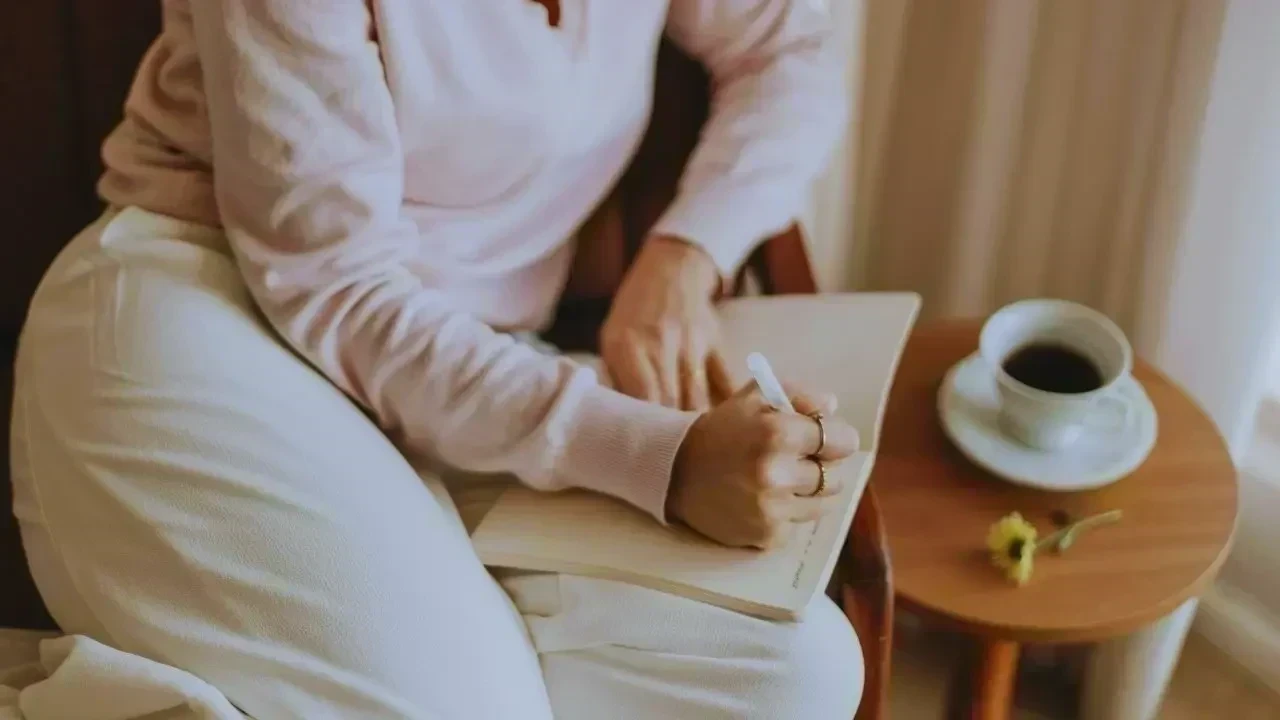
Journaling a few sentences to set emotional tone
Preparing a small task list instead of reacting impulsively to notifications
These rituals may seem small, but for many, they became the anchor that stabilised their entire day.
Mental-health coverage this week emphasised how constant multitasking drains cognitive energy. Responding to this, people started inserting tiny breaks into their schedules—something many had neglected for months.
Popular micro-breaks included:
Stepping away from devices for two minutes
Deep breathing exercises during work transitions
Looking out of a window to refresh the mind
Standing and stretching between long meetings
Drinking water slowly and mindfully
These pauses helped people regulate emotions, prevent burnout, and reduce irritability, becoming one of the most adopted self-care habits of the week.
One of the strongest trends to emerge from this week’s coverage was the movement toward healthier digital boundaries. People realised how deeply they were affected by constant pings, endless scrolling, and emotionally charged content.
In response, the following habits became widespread:
Turning off non-essential notifications
Creating “no-phone” periods during meals
Setting app timers to limit social-media use
Charging devices outside the bedroom
Unfollowing or muting stressful content
These boundaries gave individuals mental breathing space, reduced anxiety, and improved sleep—making them one of the week’s most impactful self-care shifts.
The mental-health reports highlighted the link between physical movement and emotional well-being, encouraging people to return to basic, accessible forms of exercise.
Some of the trending habits included:
Short walks during evenings or work breaks
Gentle stretching routines
Home workouts that don’t require equipment
Slow yoga for relaxation
Light household chores as mindful movement
Rather than chasing intense fitness goals, people embraced movement for mood regulation and energy balance.
Many individuals were inspired to express their thoughts on paper after learning how effective journaling can be for anxiety and emotional overload.
This week, three journaling styles gained traction:
Emotion dumps to release bottled feelings
Gratitude notes to reframe negativity
Reflection logs to track how moods shift throughout the week
People connected with journaling because it offers clarity, reduces stress, and creates emotional structure—all without requiring much time.
Perhaps the simplest yet most powerful trend was the use of breathwork. The coverage emphasised how controlled breathing can instantly calm the body, especially during stressful moments.
The trending techniques included:
Slow diaphragmatic breathing
Exhale-focused breathing (longer exhales than inhales)
Box breathing for grounding
Short breathing routines before sleep
These practices became popular because they require no equipment and can be done anywhere—from office desks to crowded public transport.
A beautiful trend that emerged was the idea of micro-joy—small moments of happiness intentionally added throughout the day. People realised that they didn’t need grand gestures to lift their mood.
Popular micro-joys this week included:
Playing a favourite song while getting ready
Lighting a small candle in the evening
Drinking tea slowly instead of mindlessly
Wearing something comfortable
Tidying one small corner of a room
These tiny joys created emotional uplift throughout the day.
The mental-health discussion highlighted the emotional toll of isolation and disconnected relationships. In response, people started prioritising meaningful interactions over passive digital connections.
This included:
Calling a close friend instead of texting
Spending quality time with family
Reconnecting with someone they lost touch with
Joining small community activities
Sharing emotions more openly
These interactions helped reduce loneliness, build support systems, and improve collective emotional wellness.
This week marked a departure from idealised, influencer-style wellness routines. Instead, people embraced realistic, imperfect self-care that fits their life rather than disrupts it.
This involved:
Simplifying to-do lists
Reducing multitasking
Decluttering living spaces in small steps
Prioritising essential tasks over aesthetic ones
Celebrating small accomplishments
For many, this adjustment felt liberating.
One of the strongest themes in the mental-health coverage was the declining quality of sleep. People responded by making sleep hygiene a priority.
Trending habits included:
Reducing screen exposure before bed
Keeping a consistent sleep schedule
Using low-light environments before bedtime
Avoiding late-night heavy meals
Listening to calming sounds
These improvements helped people recover mentally and physically after long, demanding days.
A surprising yet powerful trend this week was the rise of boundary-setting. Many people admitted that their burnout stemmed from over-commitment. The coverage encouraged them to reclaim their time.
This involved:
Turning down extra tasks at work
Limiting social obligations
Reducing mental load by delegating
Protecting personal rest time
Learning to say “no” became a form of self-care.
The wave of mental-health coverage this week did more than spark conversation—it reshaped how people live their daily lives. The trending self-care habits were simple, accessible, and deeply rooted in emotional survival rather than trendiness. These practices brought calm to morning routines, breathing space to workdays, warmth to relationships, and structure to restless minds.
If this week proved anything, it’s that self-care doesn’t need to be extravagant. The smallest habits—five minutes of quiet, one deep breath, a meaningful conversation—can fundamentally reshape emotional well-being. And as people continue adopting these changes, we may be witnessing the beginning of a long-term cultural shift toward gentler, more mindful living.
DISCLAIMER:
This article is intended for general informational purposes only. It is not a substitute for professional mental-health guidance, diagnosis, or treatment.

Big Bad Wolf Books Dubai 2026 Extended to March 15
The world’s largest book sale in Dubai Studio City extended to March 15, offering 18,000 titles, fre

Miruna Launches Modest Collection Featuring Statement Designs
Miruna unveils its new Modest collection, blending expressive silhouettes, luxe textures, and statem
AMINA Joins 21X as First Regulated Bank for Token Trading
Swiss bank AMINA partners with 21X and Tokeny, creating end-to-end tokenisation infrastructure for r

US Stocks Slide as AI Fears, Inflation and Oil Surge Weigh
US stocks dropped as AI disruption fears hit tech firms, inflation rose above forecasts, and oil pri

Pacific Prime Wins Top Honors at Cigna Awards 2026
Pacific Prime secured Top Individual Broker and Top SME Broker awards at Cigna’s Annual Broker Award

QatarEnergy Halts LNG Output After Military Attack
QatarEnergy has stopped LNG production after military attacks hit its facilities in Ras Laffan and M

Strong 6.1 Magnitude Earthquake Hits West Sumatra, No Damage
A 6.1 earthquake struck off West Sumatra, Indonesia. No casualties, damage, or tsunami alert reporte


Bank of Baroda Faces Abu Dhabi Legal Battle over NMC Collapse
Bank of Baroda’s involvement in Abu Dhabi litigation tied to the NMC Healthcare collapse raises repu

Top Museum Openings of 2026 Set to Transform Global Tourism
From Los Angeles to Abu Dhabi and Brussels, 2026 brings major museum launches—Lucas Museum, Guggenhe

UAE Tour Highlights UAE’s Strength in Hosting Global Sports Events
Abu Dhabi Sports Council says the successful UAE Tour reflects the UAE’s leading role in hosting maj

EU Seeks Clarity from US After Supreme Court IEEPA Ruling
European Commission urges full transparency from the US on steps after Supreme Court ruling, emphasi

SpaceX Launches 53 New Satellites for Expanding Starlink Network
SpaceX launches 53 Starlink satellites in two Falcon 9 missions, breaking reuse records and expandin

RTA Awards Contract for Phase II of Hessa Street Upgrade in Dubai
Phase II of Hessa Street Development to add bridges, tunnel, and upgraded intersections, doubling ca

UAE Gold Prices Today, Monday 16 February 2026: Dubai & Abu Dhabi Updated Rates
Gold prices in UAE on 16 Feb 2026 updated: 24K around AED 599.75/gm, 22K AED 555.25/gm, and 18K AED

Over 25 Ahmedabad Schools Receive Bomb Threat Email, Authorities Investigate
More than 25 schools in Ahmedabad evacuated after bomb threat emails mentioning Khalistan. Authoriti





