Post by : Sam Jeet Rahman
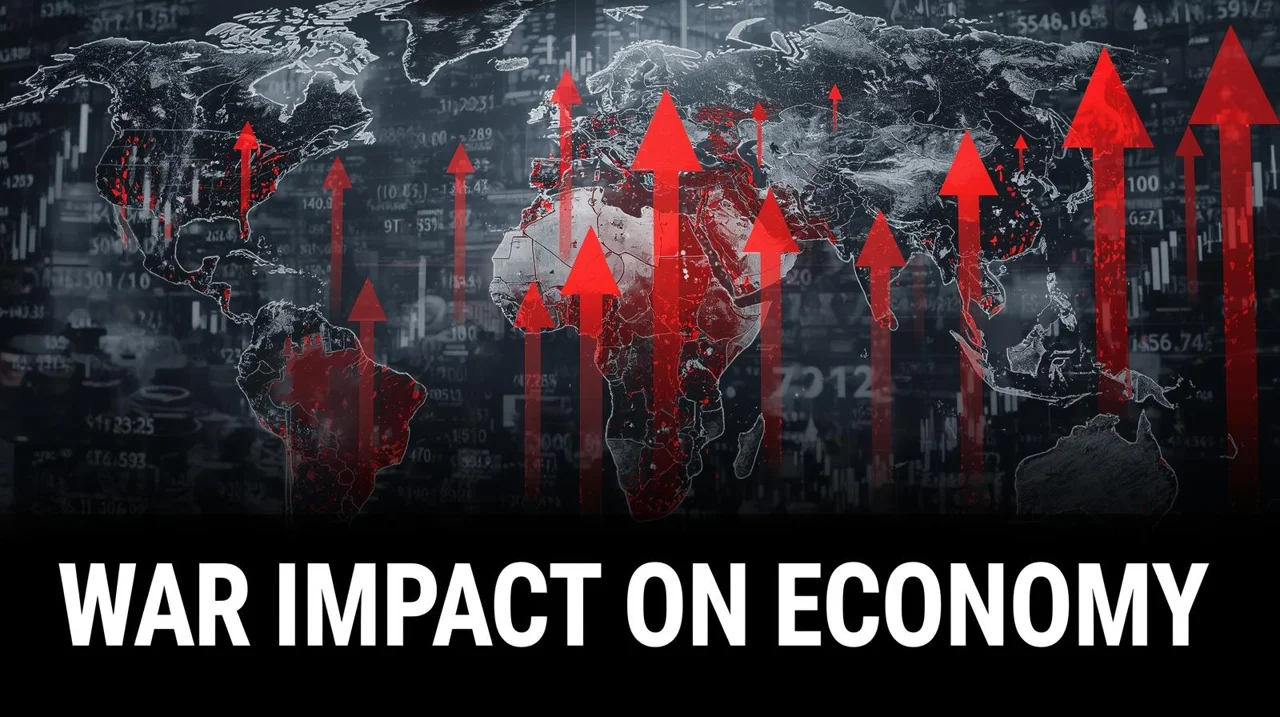
In 2026, the impact of ongoing conflicts is becoming increasingly clear as the global economy faces rising pressure. Wars do not only affect the countries directly involved—they create ripple effects that influence markets, trade, and daily life worldwide.
From rising prices to disrupted supply chains, the economic consequences are now more visible than before.
The key question is:
How is war affecting the global economy, and what does it mean for the future?
War creates uncertainty, and uncertainty directly affects economic stability.
One of the biggest impacts is on global trade. Conflicts can disrupt shipping routes, damage infrastructure, and delay the movement of goods. This leads to shortages and increased costs.
Supply chains are also affected. When production or transportation is interrupted, businesses struggle to maintain operations, which slows down economic growth.
Investor confidence is another major factor. During times of conflict, markets become volatile as investors move cautiously, often shifting their money to safer assets.
Energy markets are among the most affected during conflicts.
When major oil or gas-producing regions are involved in or affected by war, supply becomes uncertain. This leads to an increase in oil and fuel prices, which directly impacts transportation and production costs.
Higher energy prices also contribute to inflation, as businesses pass increased costs to consumers. This affects everything from food prices to utility bills.
War-related disruptions often lead to rising prices globally.
When supply decreases and demand remains stable, prices increase. This is especially noticeable in essential goods such as food, fuel, and basic services.
As inflation rises, the cost of living increases, putting pressure on household budgets. People may need to spend more on necessities, leaving less for savings or other expenses.
Businesses face multiple challenges during times of conflict.
Higher costs, supply disruptions, and uncertain demand can reduce profitability. Some companies may delay expansion plans or reduce hiring.
Industries that depend heavily on global trade, such as manufacturing and logistics, are especially affected.
This can also impact employment. While some sectors may slow down, others—such as defense, energy, and technology—may see increased demand.
Financial markets often react quickly to geopolitical tensions.
Stock markets may become volatile as investors respond to uncertainty. Sudden rises and falls in prices reflect changing expectations about economic growth.
Currencies can also fluctuate. Countries directly affected by conflict may see their currencies weaken, while others may experience temporary strengthening depending on global demand.
The long-term impact of war depends on its duration and scale.
Prolonged conflicts can slow down global economic growth, reduce investment, and increase debt levels for affected countries.
At the same time, some regions may adapt by finding alternative trade routes or investing in new industries.
Innovation can also emerge as countries look for ways to reduce dependence on unstable supply chains.
For individuals, the economic impact of war is often felt through rising costs and uncertainty.
Managing expenses becomes more important as prices increase.
It is also important to stay informed about economic trends, as they can influence job opportunities, investments, and financial planning.
Being financially prepared and adaptable can help reduce the impact of global uncertainties.
The impact of war on the global economy in 2026 is becoming more visible through rising prices, disrupted trade, and market uncertainty.
While conflicts may be regional, their effects are global, influencing businesses, governments, and individuals alike.
The key takeaway is clear:
Economic stability depends on global conditions, and staying informed is essential in uncertain times.
This article is for informational purposes only. Economic conditions may change based on global developments. Readers should make financial decisions based on their individual circumstances.
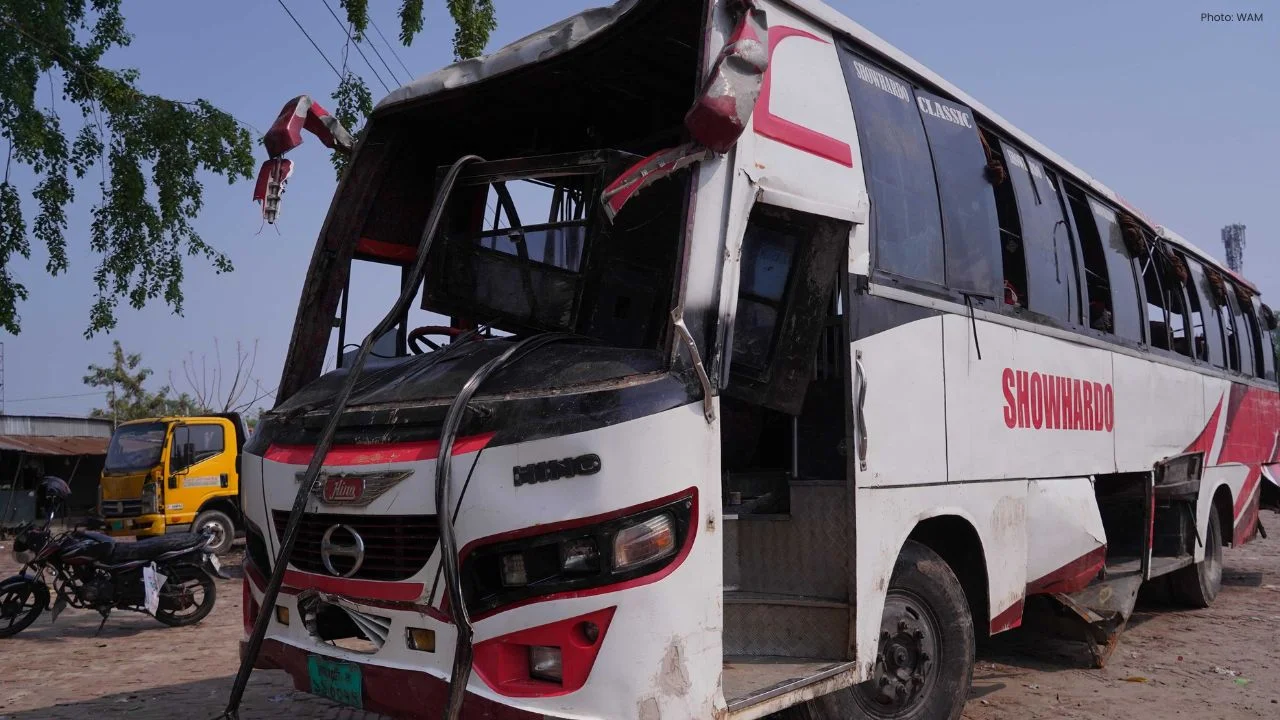
24 Killed as Bus Falls into Padma River in Bangladesh
A passenger bus fell into the Padma River in Bangladesh, killing 24 people. Rescue teams recovered b

Abu Dhabi Meets to Strengthen Supply Chain Stability
Abu Dhabi hosts key talks with 80+ entities to tackle supply chain challenges, ensure market stabili

Dubai Climbs to 7th in Global Financial Centres Index
Dubai ranks 7th globally in GFCI, marking its strongest performance ever and reinforcing its ambitio

UAE Forms Panel for Family Business Disputes in Abu Dhabi
Abu Dhabi launches a new committee to handle family business disputes, ensuring stability, legal cla
UAE Supply Chains Remain Strong Amid Regional Tensions
UAE confirms stable supply chains and transport systems with strong infrastructure, ensuring uninter

Iran Reviews US War Proposal, Rejects Direct Negotiations
Iran reviews a US ceasefire proposal but denies direct talks, as Gulf tensions rise, military strike

MWL Praises UNHRC Resolution Against Iran Aggression
MWL backs UNHRC’s resolution condemning Iran’s attacks on Gulf nations, warning of severe human righ


Bank of Baroda Faces Abu Dhabi Legal Battle over NMC Collapse
Bank of Baroda’s involvement in Abu Dhabi litigation tied to the NMC Healthcare collapse raises repu

Top Museum Openings of 2026 Set to Transform Global Tourism
From Los Angeles to Abu Dhabi and Brussels, 2026 brings major museum launches—Lucas Museum, Guggenhe

UAE Tour Highlights UAE’s Strength in Hosting Global Sports Events
Abu Dhabi Sports Council says the successful UAE Tour reflects the UAE’s leading role in hosting maj
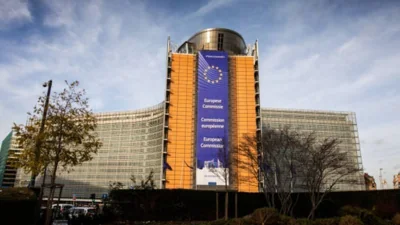
EU Seeks Clarity from US After Supreme Court IEEPA Ruling
European Commission urges full transparency from the US on steps after Supreme Court ruling, emphasi
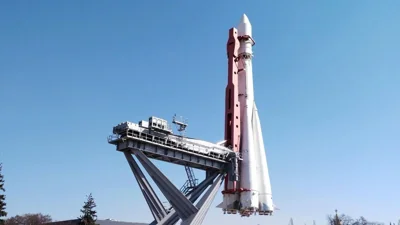
SpaceX Launches 53 New Satellites for Expanding Starlink Network
SpaceX launches 53 Starlink satellites in two Falcon 9 missions, breaking reuse records and expandin

RTA Awards Contract for Phase II of Hessa Street Upgrade in Dubai
Phase II of Hessa Street Development to add bridges, tunnel, and upgraded intersections, doubling ca

UAE Gold Prices Today, Monday 16 February 2026: Dubai & Abu Dhabi Updated Rates
Gold prices in UAE on 16 Feb 2026 updated: 24K around AED 599.75/gm, 22K AED 555.25/gm, and 18K AED

Over 25 Ahmedabad Schools Receive Bomb Threat Email, Authorities Investigate
More than 25 schools in Ahmedabad evacuated after bomb threat emails mentioning Khalistan. Authoriti