
Post by : Zayd Kamal
In recent years, as global travel has surged, the concept of responsible wildlife tourism has gained significant traction. Travelers are increasingly aware of their impact on the environment and wildlife, prompting a shift toward more ethical and sustainable travel practices. But what exactly does responsible wildlife tourism entail, and why is it essential for the future of our planet?
Responsible wildlife tourism refers to travel practices that prioritize the well-being of wildlife and their habitats. This includes supporting conservation efforts, minimizing environmental footprints, and ensuring that local communities benefit from tourism. It aims to provide enriching experiences for travelers while protecting the natural world.
Conservation Efforts: One of the primary benefits of responsible wildlife tourism is its direct contribution to conservation efforts. Many wildlife reserves and national parks rely on tourism revenue to fund their initiatives. This funding helps protect endangered species, restore habitats, and conduct essential research. By choosing to engage in responsible tourism, travelers can play a vital role in these efforts.
Supporting Local Communities: Responsible wildlife tourism often involves collaboration with local communities. When travelers opt for eco-friendly lodges or guided tours led by local residents, they contribute to the local economy. This not only provides jobs but also empowers communities to take an active role in conservation efforts, fostering a sense of stewardship over their natural resources.
Education and Awareness: Engaging in responsible wildlife tourism can enhance awareness about environmental issues and the challenges faced by wildlife. Many responsible tour operators provide educational programs that inform travelers about local ecosystems, endangered species, and conservation efforts. This knowledge helps create informed travelers who advocate for sustainability.
Minimizing Environmental Impact: Traditional tourism can lead to habitat destruction, pollution, and wildlife disturbance. In contrast, responsible wildlife tourism focuses on minimizing these impacts. Tour operators often adhere to strict guidelines that limit group sizes, reduce noise pollution, and ensure that wildlife is not disturbed. This helps maintain the delicate balance of ecosystems.
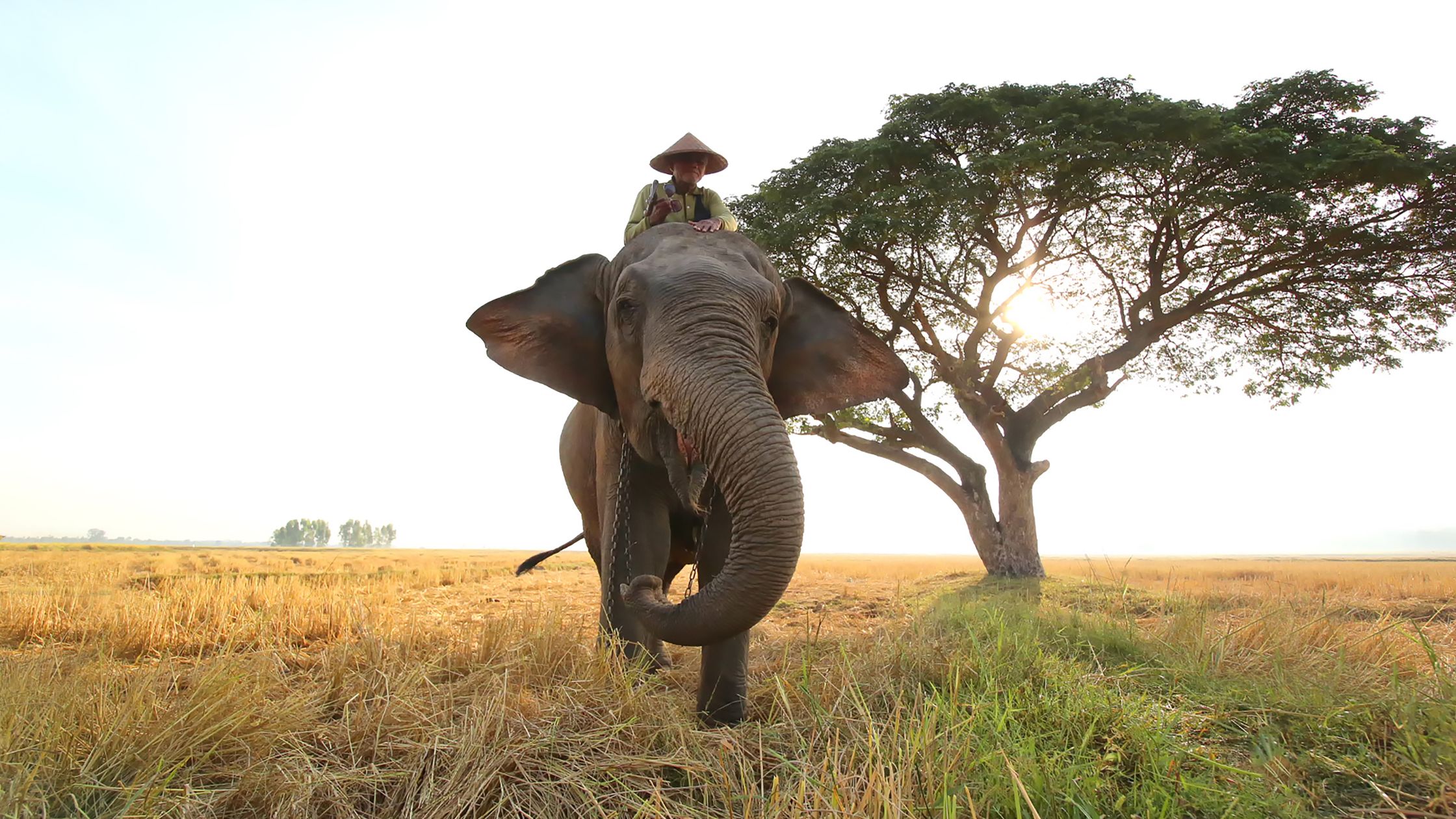
Travelers can engage in responsible wildlife tourism by following some best practices:
Before booking a wildlife tour, research the tour operator’s practices. Look for companies that prioritize conservation and community involvement. Check for certifications from reputable organizations that promote ethical tourism.
When observing wildlife, maintain a safe distance and avoid disturbing them. Follow the “leave no trace” principle: take nothing but photos and leave nothing but footprints. Avoid littering, and be mindful of your surroundings.
Many wildlife reserves and conservation programs offer opportunities for travelers to contribute. This can include volunteering, making donations, or participating in citizen science projects. Engaging with these initiatives allows you to make a positive impact during your travels.
Before your trip, take the time to educate yourself about the wildlife and ecosystems you will encounter. Understanding the local flora and fauna can enhance your experience and help you appreciate the importance of conservation. Share this knowledge with fellow travelers to raise awareness.
Choose accommodations that prioritize sustainability. Look for lodges that utilize renewable energy, practice water conservation, and support local communities. Your choices as a consumer can drive demand for more responsible practices in the tourism industry.
In today's digital age, technology plays a crucial role in promoting responsible wildlife tourism. Apps and websites now provide resources for travelers to find ethical tour operators, track wildlife sightings, and learn about conservation efforts. Social media platforms also serve as powerful tools for raising awareness and sharing experiences, encouraging others to adopt responsible travel practices.
This article explains the importance of responsible wildlife tourism. Responsible wildlife tourism helps protect animals and their homes while supporting local communities. By choosing to participate in responsible wildlife tourism, travelers can make a positive impact. It’s important to pick ethical tour operators and respect wildlife. Responsible wildlife tourism encourages learning about nature, which is exciting for kids and adults alike. The article highlights how responsible wildlife tourism can create a better future for both wildlife and people.
This article is brought to you by DXB News Network. We encourage readers, especially kids and families, to explore the concept of responsible wildlife tourism. Remember, when you travel, choose options that help protect nature and wildlife. Always respect animals and their habitats, and enjoy the adventure of responsible wildlife tourism
Responsible Wildlife Tourism, Ethical Travel, Conservation, Sustainable Travel, Wildlife Protection, Eco-Friendly Tours, Community Support, Cultural Awareness, Nature Conservation, Wildlife Encounters, Travel Impact, Endangered Species, Eco-Tourism, Environmental Responsibility, Local Communities

Hikma Revenue Up 7%, Announces $250m Buyback
Hikma reports 7% revenue growth to $3.35bn in 2025, raises dividend, launches $250m buyback and anno

Orient Finance Urges Discipline Amid Market Swings
Orient Finance highlights disciplined strategy, risk control and investor education as key tools to

England Beat New Zealand, Top Group in T20 Clash
Rehan Ahmed and Will Jacks powered England to a four-wicket win over New Zealand, chasing 160 with t

Al Ain Equestrian Festival 2026 to Celebrate UAE Heritage
Al Ain hosts its first Equestrian Festival from 27 Feb – 8 Mar, featuring Arabian horses, show jumpi

Dubai Crown Prince Hosts Ramadan Gathering with Officials
Sheikh Hamdan hosts Ramadan reception at Nad Al Sheba, exchanging greetings and discussing compassio

Dubai Miracle Garden Offers Free Entry for Kids Under 12
Dubai Miracle Garden welcomes children under 12 for free from March 1 to May 31, featuring 150M flow

Ajman’s Superyacht Service Centre Begins Full Operations
Superyacht Service Centre in Ajman is now fully operational, offering advanced refit and maintenance


Bank of Baroda Faces Abu Dhabi Legal Battle over NMC Collapse
Bank of Baroda’s involvement in Abu Dhabi litigation tied to the NMC Healthcare collapse raises repu

Top Museum Openings of 2026 Set to Transform Global Tourism
From Los Angeles to Abu Dhabi and Brussels, 2026 brings major museum launches—Lucas Museum, Guggenhe

UAE Tour Highlights UAE’s Strength in Hosting Global Sports Events
Abu Dhabi Sports Council says the successful UAE Tour reflects the UAE’s leading role in hosting maj

EU Seeks Clarity from US After Supreme Court IEEPA Ruling
European Commission urges full transparency from the US on steps after Supreme Court ruling, emphasi

SpaceX Launches 53 New Satellites for Expanding Starlink Network
SpaceX launches 53 Starlink satellites in two Falcon 9 missions, breaking reuse records and expandin

RTA Awards Contract for Phase II of Hessa Street Upgrade in Dubai
Phase II of Hessa Street Development to add bridges, tunnel, and upgraded intersections, doubling ca

UAE Gold Prices Today, Monday 16 February 2026: Dubai & Abu Dhabi Updated Rates
Gold prices in UAE on 16 Feb 2026 updated: 24K around AED 599.75/gm, 22K AED 555.25/gm, and 18K AED

Over 25 Ahmedabad Schools Receive Bomb Threat Email, Authorities Investigate
More than 25 schools in Ahmedabad evacuated after bomb threat emails mentioning Khalistan. Authoriti