Post by : Anis Karim
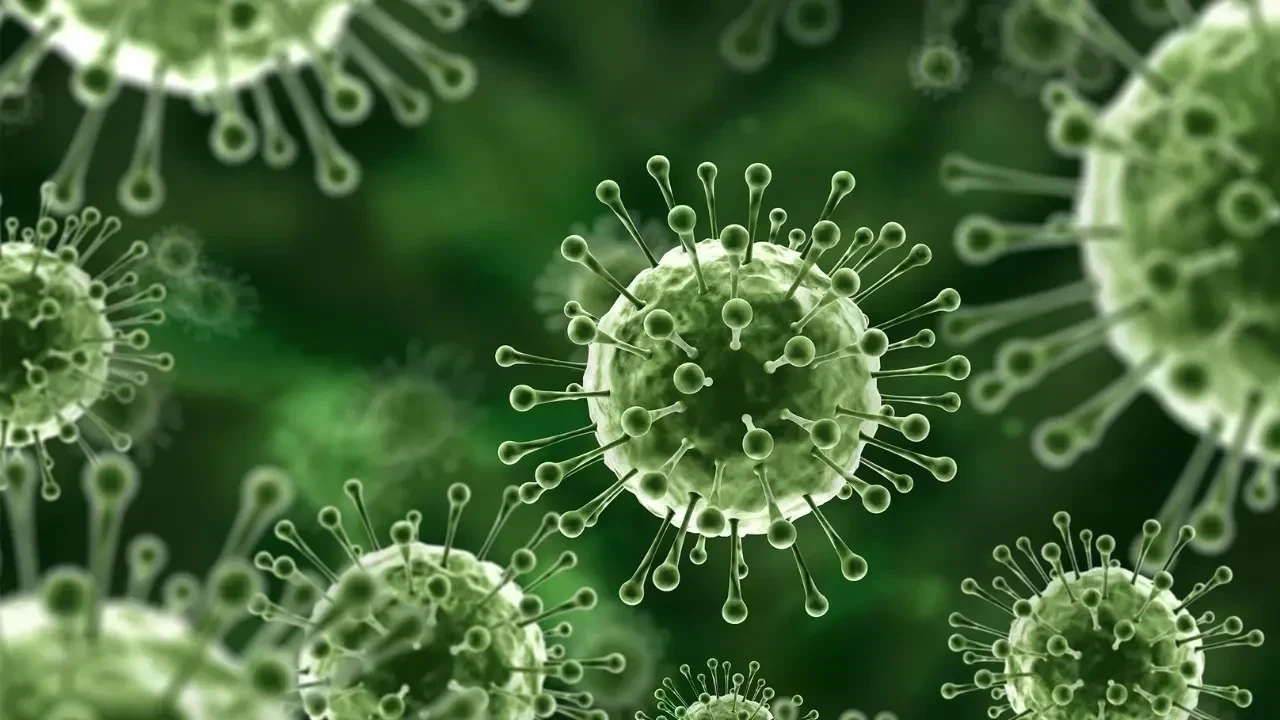
The Nipah virus — a zoonotic threat without an available cure or vaccine — has raised alarms globally due to confirmed cases in West Bengal, India. Authorities are acting swiftly to prevent an outbreak, with around 100 individuals currently quarantined following early detections. Fruit bats, the virus's natural hosts, are central to its spread, and human-to-human transmission has been noted in close-contact settings, particularly healthcare environments.
Classified as a high-risk pathogen by the World Health Organization, the Nipah virus has a historical fatality rate ranging from 40% to 75% depending on various factors, presenting real challenges with respiratory illnesses and brain inflammation (encephalitis).
Gaining insight into this virus—including its origins, spread, clinical signs, and necessary public health measures—is essential, particularly in regions facing repeated outbreaks, such as South Asia.
First identified in 1999 during an outbreak associated with pig farming in Malaysia and Singapore, Nipah virus, or NiV, emerged as a serious zoonotic disease capable of transferring from animals to humans, leading to significant health impacts.
Since then, numerous outbreaks have recurred, especially in South and Southeast Asia. The virus remains endemic in parts of Bangladesh and has caused human illnesses multiple times since 2001. In India, past occurrences in West Bengal and Kerala highlight the ongoing risks posed by NiV, particularly in areas with frequent human-animal contact.
The Nipah virus mostly spreads from its natural carriers—fruit bats of the genus Pteropus—to humans. These bats can carry the virus asymptomatically, and human infections typically occur through:
Direct contact with fruit bats or their secretions (saliva, urine, or faeces).
Eating contaminated food, such as raw date palm sap or fruits contaminated by bat secretions.
Contact with infected intermediate animals, notably pigs, although this is rare now.
In rural areas, food contamination by fruit bats remains a concern, and traditional practices surrounding palm sap collection pose considerable risks if proper protection is not implemented.
A significant aspect of Nipah virus epidemiology is its ability to be transmitted from person to person, particularly among caregivers and healthcare workers exposed to infected bodily fluids. Such transmission has been documented in family settings and hospital environments lacking adequate protective measures.
Preventative infection control is crucial, as close contact can lead to rapid virus spread in populated areas.
The time from exposure to symptoms—termed the incubation period—usually lasts from 4 to 14 days, though longer durations have been documented.
When symptoms emerge, they can vary significantly among individuals, often beginning with signs common to various illnesses, which may hinder quick detection:
High fever
Headaches and muscle soreness
Sore throat and cough
Nausea and vomiting
Fatigue and malaise
These early symptoms being non-specific underscores the need for heightened clinical awareness in outbreak-prone regions.
For many infected, the disease can evolve rapidly. As the infection progresses, patients might experience:
Respiratory distress and shortness of breath
Neurological symptoms, including confusion and drowsiness
Dizziness, seizures, and confusion
Encephalitis
Rapid decline into coma in severe cases
Severe cases can be fatal, especially in areas with limited access to intensive care, underlining the necessity for prompt medical intervention.
Diagnosing Nipah infection hinges on specialized laboratory tests, often utilizing RT-PCR assays for viral genetic material detection in throat swabs, nasal samples, or cerebrospinal fluid. Antibody testing may also provide supportive data.
Imaging, such as MRI or CT scans, may assist with neurological assessment in patients displaying encephalitic features.
Currently, there is no approved antiviral therapy or vaccine for Nipah virus infection. Therefore, the focus lies on supportive care for managing symptoms:
Ensuring respiratory function is maintained
Controlling both pain and fever
Addressing neurological symptoms
Providing intensive supportive care as needed
With no targeted therapies available, early detection and supportive measures are vital for improving patient outcomes.
Historically, Nipah virus outbreaks exhibit high case fatality rates (40%-75%), though actual figures can vary significantly by local healthcare capacity and specific outbreaks.
This range illustrates the virus’s potential for severe outcomes, notably for older adults and those with pre-existing health conditions.
Survivors may face lingering neurological issues like seizures, personality changes, and cognitive decline. In rare instances, encephalitis might return months or years after initial recovery, accentuating the virus’s lengthy effects on the nervous system.
In January 2026, health officials from West Bengal confirmed cases of the Nipah virus, including among healthcare workers, leading to quarantine actions for nearly 100 individuals to monitor for symptoms and halt potential transmission.
While health agencies highlight the absence of mass panic needs, the confirmed cases and measures reflect the seriousness of the situation.
Countries in Asia—like Thailand, Nepal, and Taiwan—have reinstated COVID-style health screenings at their airports for travelers coming from India as a precautionary measure.
Public health responses during outbreaks typically incorporate:
Thorough contact tracing
Isolation of suspected or confirmed cases
Improved infection controls in healthcare settings
Community education campaigns on symptoms and prevention
Surveillance for animal reservoirs to limit spillover events
Implementing these strategies is vital for breaking transmission cycles and protecting communities from further outbreaks.
Given that fruit bats are natural carriers, it's crucial to avoid activities that increase the risk of contact with bats or their secretions. Recommendations include:
Avoid consuming raw palm sap or unwashed fruits
Ensure fruits are boiled or washed thoroughly before eating
Dispose of fruits or food items that show signs of bat contact
Preventative practices for human contexts include:
Wearing appropriate personal protective equipment (PPE) when attending to sick patients
Practicing frequent hand hygiene
Avoiding direct exposure to the bodily fluids of infected individuals
Raising community awareness on these practices can substantially minimize the risk of spread once cases are reported.
The Nipah virus continues to be prioritized globally by the World Health Organization due to its potential for epidemics and the lack of targeted treatments. Researchers are actively exploring vaccine technology and antiviral agents, but accessible options remain a future ambition.
Countries encountering repeated outbreaks, such as India and Bangladesh, are strengthening their surveillance networks and research capabilities to enhance preparedness and response over time.
While Nipah virus outbreaks are sporadic, they serve as a significant reminder of the emerging risks zoonotic pathogens pose from animal reservoirs. The 2026 outbreak in West Bengal emphasizes the critical need for robust monitoring, immediate response strategies, and community involvement to prevent minor incidents from becoming widespread health emergencies.
Awareness regarding the virus’s symptoms, transmission modes, and the impact of timely intervention can empower both health professionals and the public to respond effectively.
Disclaimer:
This article is presented for informational purposes and is not a substitute for medical advice. For personal health issues or disease prevention guidance, please consult healthcare professionals and official health sources.

Thousands March in Caracas, Demand Maduro’s Release
Thousands of Maduro supporters marched in Caracas, one month after a deadly US raid ousted him, dema

Sheikh Mohammed Visits WGS 2026 Media, Cybersecurity Centres
Sheikh Mohammed visited the WGS 2026 media and cybersecurity centres in Dubai, highlighting media’s

Sitharaman Meets World Bank President Ajay Banga on Viksit Bharat Plan
Finance Minister Nirmala Sitharaman met World Bank President Ajay Banga to discuss the new Country P

PM Shehbaz Meets WBG President Ajay Banga to Boost Pakistan Reforms
PM Shehbaz Sharif meets World Bank President Ajay Banga, discussing economic reforms, development pr

Italy’s Unemployment Hits Record Low of 5.6% in December
Italy’s unemployment fell to a historic 5.6% in December, the lowest since 2004, with employment at

Australian Open Champ Rybakina Headlines Dubai Tennis Elite Field
Fresh from her Australian Open triumph, Elena Rybakina returns to Dubai as a resident and WTA 1000 c

Deloitte Champions Enterprise & Public Sector Innovation at Web Summit Qatar
Deloitte leads masterclasses on in-country cloud, AI, and tech governance at Web Summit Qatar 2026,


Why Drinking Soaked Chia Seeds Water With Lemon and Honey Before Breakfast Matters
Drinking soaked chia seeds water with lemon and honey before breakfast may support digestion hydrati

Morning Walk vs Evening Walk: Which Helps You Lose More Weight?
Morning or evening walk Learn how both help with weight loss and which walking time suits your body

What Really Happens When You Drink Lemon Turmeric Water Daily
Discover what happens to your body when you drink lemon turmeric water daily including digestion imm

DXB News Network Presents “Ctrl+Alt+Wim”, A Bold New Satirical Series Starring Global Entertainer Wim Hoste
DXB News Network premieres Ctrl+Alt+Wim, a bold new satirical micro‑series starring global entertain

High Heart Rate? 10 Common Causes and 10 Natural Ways to Lower It
Learn why heart rate rises and how to lower it naturally with simple habits healthy food calm routin

10 Simple Natural Remedies That Bring Out Your Skin’s Natural Glow
Discover simple natural remedies for glowing skin Easy daily habits clean care and healthy living ti

Mattel Revamps Masters of the Universe Action Figures for Upcoming Film
Mattel is set to revive Masters of the Universe action figures in sync with their new movie, ignitin

China Executes 11 Members of Infamous Ming Family Behind Myanmar Scam Operations
China has executed 11 Ming family members, linked to extensive scams and gambling in Myanmar, causin