Post by : Anis Karim
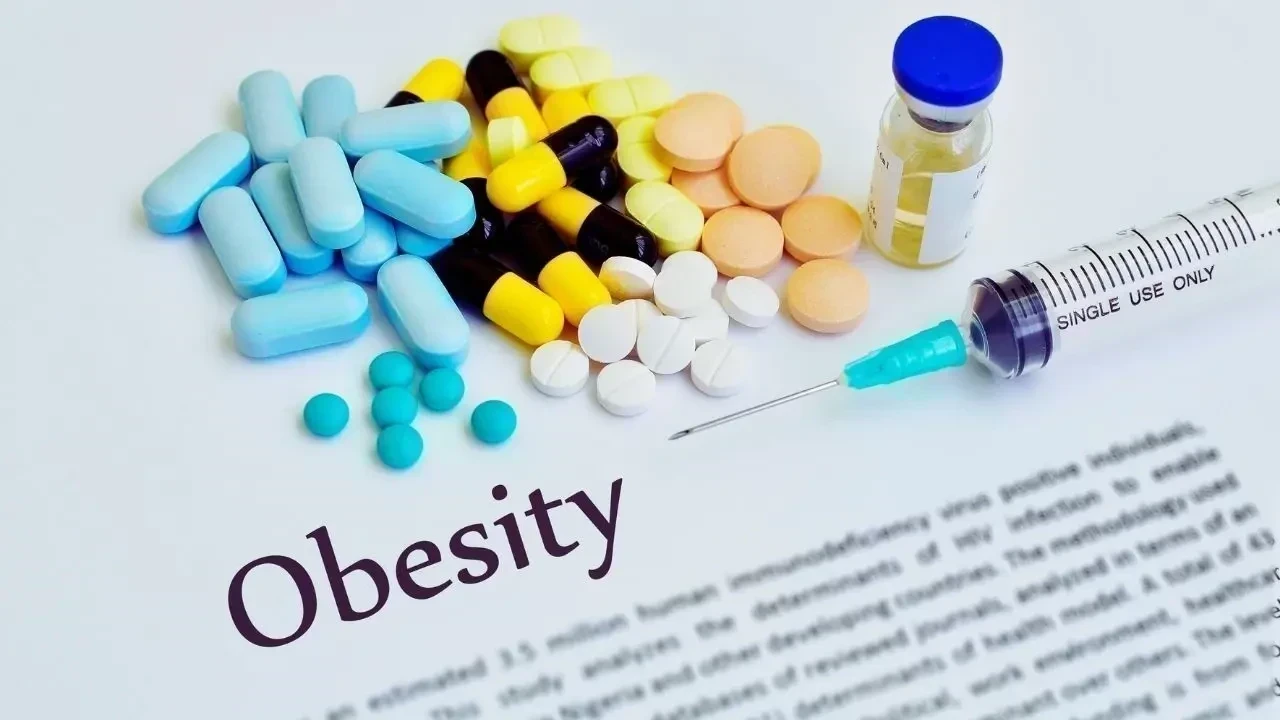
Losing weight has transformed into a purchasable solution, available in vials or tablets. Once, the journey included dieting and exercise; now, injections promise significant changes in a matter of months. Social media flaunts before-and-after pictures while celebrities hint at ‘miracle shots,’ and clinics rush to provide swift results. Obesity suddenly feels like a choice rather than a fact of life.
Yet, amidst the excitement, a critical question emerges: are we truly addressing obesity, or just delaying its consequences?
The introduction of GLP-1 based weight-loss drugs has notably altered the narrative. The focus has shifted from traditional methods of food moderation and physical activity to a medicinal approach. While healthcare providers embrace these advancements and patients rejoice in the outcomes, certain experts caution against oversimplifying the situation.
Can obesity be effectively managed through medication, or are we creating shortcuts that undermine personal accountability? This article delves into the science, showcases success stories, and explores the potential hidden dangers behind this new approach to weight loss.
Obesity is far from a simple issue of willpower; it is a multifaceted medical condition influenced by hormones, genetics, stress, sleep, environment, and dietary systems.
Our bodies evolved to survive in conditions of scarcity rather than abundance. The ability to store fat once worked as a survival mechanism, but modern life has twisted that into a challenge. Inexpensive calories, screen dependencies, and reduced physical activity exacerbate the issue.
Hormonal responses manage hunger and fullness, while stress and sleep deprivation catalyze craving intensities. Obesity results when biological systems clash with contemporary lifestyles.
Thus, the mantra of simply 'eating less' frequently fails. Weight loss is met with a powerful hunger response from the body. Regained weight often arrives stronger than before. It’s a fight against biology, not a lack of effort.
GLP-1 medications mimic a hormone that naturally occurs in the body. This hormone communicates signals of fullness, slows digestion, and balances blood sugar levels, effectively making smaller meals feel sufficient.
Users of these drugs report less hunger and fewer food cravings. With steady weight loss, people also experience improvements in blood sugar and cholesterol levels, giving a sense of rejuvenation.
The revolutionary aspect of these drugs isn’t merely the weight loss; it’s their consistent, unobtrusive functionality. Users find themselves free from incessant thoughts consuming food.
Obesity triggers a cascade of health problems, increasing risks for diabetes, heart disease, strokes, liver damage, and joint issues. Weight reduction helps alleviate these risks.
For medical professionals, these drugs represent a rare success: patient compliance. Individuals struggle with conventional diets but find success through medication. Related conditions show measurable improvement.
Initial treatment results in stabilized blood sugar, reduced blood pressure, and enhanced sleep quality. Why wouldn’t doctors be eager to utilize these insights?
The risk does not lie within the medication itself, but in the perceptions surrounding it.
A leaner body does not automatically equate to better health. Rapid weight loss can lead to muscle loss, nutritional deficiencies, and slowed metabolism.
If appetite is suppressed while nutritional quality lags, the body becomes weaker. Surviving on poor nutrition, masked as health, can be perilous.
This highlights the significant warning: most individuals regain weight post-medication if lifestyle changes remain stagnant. The onset of hunger often returns with greater intensity; the brain resets.
Thus, medication may merely stall the issue rather than resolve it.
If there are no improvements in sleep quality, dietary choices, stress management, or physical activity, the underlying condition is bound to return once treatment concludes.
Every medication carries inherent risks.
Early treatment may bring nausea, vomiting, and bloating. Persistent discomfort is common among some users.
Fast weight reduction often draws energy from both muscle and fat, potentially leading to sensations of weakness and fatigue.
The emotional implication? Dependency is an issue often overlooked. Individuals may believe they cannot function without the medication, fostering a fear of weight regain and leading to extended reliance.
This shift transcends the medical realm and enters cultural dialogue.
Where lifestyle choices once prevailed, prescriptions now dominate. Thinness positions itself as a symbol of responsibility. Pills and shots morph into status indicators.
Individuals might feel compelled into medication not for health reasons, but for societal acceptance regarding appearances. This blurs the line between therapeutic and tragic.
While these medications alter appetite, they don’t address habitual behavior.
If someone continues to consume junk food in reduced quantities, nutritional deficiencies will only deepen. Weight loss devoid of proper nutrition is merely a silent disease.
Without physical activity, muscle strength can diminish. Joint health can worsen, resulting in weight loss that serves aesthetics instead of function.
Sleep shortage exacerbates metabolic and mental health challenges. No injection can erase the effects of exhaustion.
Stress provokes inflammation. Medications address symptoms, not the root stressors.
Lifestyle choices constitute the foundation of health. Medication can only assist, not substitute.
Despite criticisms, these medications hold genuine benefits.
Individuals grappling with severe obesity and coexisting conditions can find considerable relief. In these situations, the drug serves as a pathway back to mobility, activity, and renewed hope.
Some patients show substantial improvement in glucose control.
Breaking the cycle of hunger allows for emotional respite. Many experience newfound freedom from food fixation.
Causal prescriptions pose potential dangers.
Utilizing medication without embracing lifestyle changes reduces the drug to a mere crutch.
Seeking weight loss without medical justification constitutes a misuse of therapy.
These medications come with a hefty price tag.
Affluent groups typically benefit from such treatments. Lower-income populations grappling with higher obesity rates find themselves at a disadvantage.
When treatment costs escalate, health disparities deepen.
This raises a pressing ethical inquiry. If the cessation of medication reverses progress, are individuals consenting to perpetual injections?
Medicine is meant to complement health, not replace it.
Accelerated weight loss significantly influences personal identity.
Some individuals find it challenging to recognize their own reflection.
While compliments may feel affirming, they reinforce a notion that smaller sizes are preferable to strength.
Persistent anxiety regarding potential weight regain fosters unease.
Weight loss should emerge as a secondary benefit of health, not the primary aim.
Quality sleep enhances metabolism. Whole foods nourish the body. Muscular activity bolsters joint health. Mindfulness minimizes emotional binge eating.
These factors form the foundation of wellness. Medication ought to serve as support, not the mainstay.
Before opting for medication, crucial questions to ask include:
Will muscle mass be lost alongside fat?
What duration will I require it?
What occurs if I discontinue usage?
What lifestyle adjustments are needed?
How can I maintain my nutrition?
A medication devoid of answers devolves into a gamble.
The ease of making weight loss sound simple is attractive, yet biological systems do not provide shortcuts without consequences.
True health requires discipline, patience, and self-awareness.
Medications may reduce friction but cannot eliminate responsibility.
Researchers are crafting gentler medication options, combination therapies, and tailored dosage models. Yet, no singular pill can take the place of physical activity, proper rest, and adequate nutrition.
The future likely involves an integration of medicinal use with behavioral coaching and educational initiatives.
GLP-1 medications serve as useful tools but are not miracle cures. They can yield health improvements when treated with respect but may lead to setbacks if misapplied.
These drugs can facilitate health, provided they are used sensibly. They can undermine self-worth when adopted carelessly.
If medication alone could solve obesity, then changes in lifestyle wouldn’t matter. The truth is evident: treatment is most effective when combined with discipline.
Medication can serve as a gateway; the onus is on individuals to navigate their journey.
This article is solely for informational purposes and should not replace professional medical advice. Individuals are encouraged to consult qualified healthcare professionals before initiating, terminating, or altering any medication regimen.

Predictheon Wins WHX Xcelerate Innovation Champion 2026
Predictheon won WHX 2026 Xcelerate, earning US$12,000, WHX 2027 space and global exposure for its AI

Omantel Launches Otech to Drive Oman’s Future Tech Vision
Omantel launches Otech to accelerate Oman’s digital transformation, strengthen data sovereignty, exp

Daimler Truck MEA Honors Top Distributors at EliteClass 2025
Daimler Truck MEA hosted EliteClass Awards 2025 in Dubai, honoring top distributors across 19 catego

King Mohammed VI Launches Safran Landing Gear Plant in Morocco
Morocco strengthens its aerospace leadership as King Mohammed VI launches Safran’s €280M landing gea

Qatar Emir Sheikh Tamim Arrives in UAE on Fraternal Visit
Qatar’s Emir Sheikh Tamim bin Hamad Al Thani arrived in Abu Dhabi on Saturday. UAE President Sheikh

Shaidorov Wins Stunning Olympic Gold as Malinin Falters
Kazakhstan’s Mikhail Shaidorov won men’s figure skating gold after US star Ilia Malinin fell twice.

Shakira’s 5-Show El Salvador Residency Boosts Bukele Image
Shakira’s five sold-out concerts in San Salvador highlight El Salvador’s security shift under Bukele


Why Drinking Soaked Chia Seeds Water With Lemon and Honey Before Breakfast Matters
Drinking soaked chia seeds water with lemon and honey before breakfast may support digestion hydrati

Morning Walk vs Evening Walk: Which Helps You Lose More Weight?
Morning or evening walk Learn how both help with weight loss and which walking time suits your body

What Really Happens When You Drink Lemon Turmeric Water Daily
Discover what happens to your body when you drink lemon turmeric water daily including digestion imm
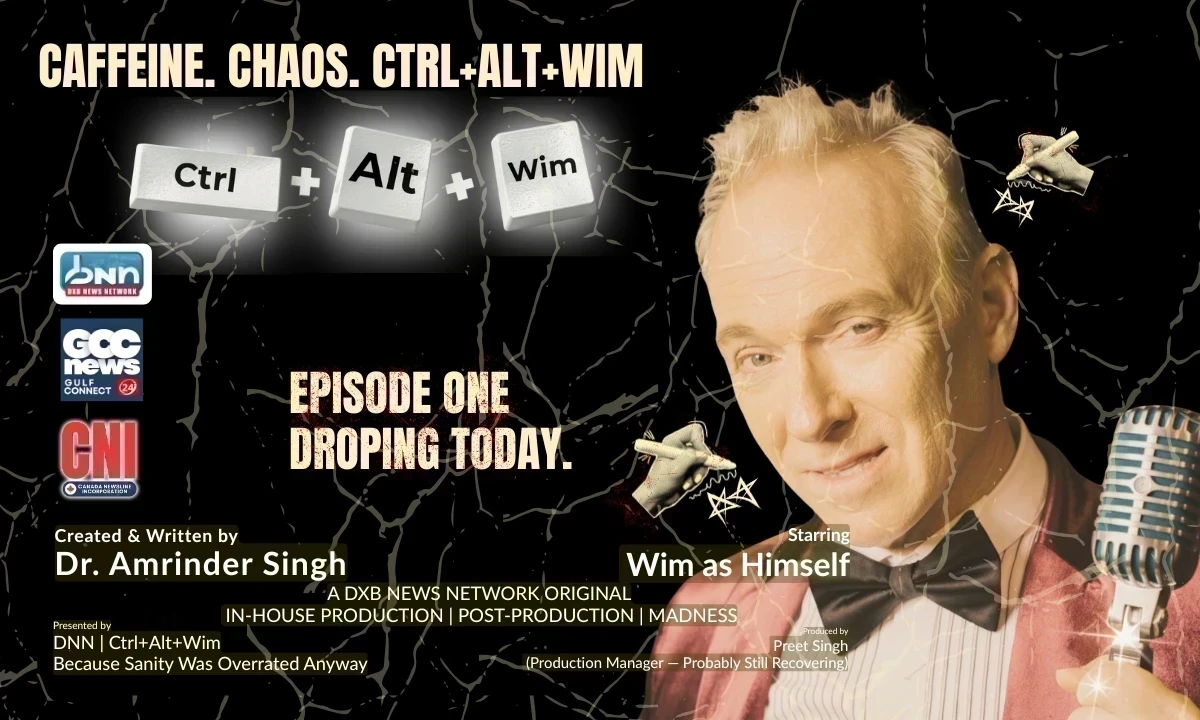
DXB News Network Presents “Ctrl+Alt+Wim”, A Bold New Satirical Series Starring Global Entertainer Wim Hoste
DXB News Network premieres Ctrl+Alt+Wim, a bold new satirical micro‑series starring global entertain

High Heart Rate? 10 Common Causes and 10 Natural Ways to Lower It
Learn why heart rate rises and how to lower it naturally with simple habits healthy food calm routin

10 Simple Natural Remedies That Bring Out Your Skin’s Natural Glow
Discover simple natural remedies for glowing skin Easy daily habits clean care and healthy living ti

Mattel Revamps Masters of the Universe Action Figures for Upcoming Film
Mattel is set to revive Masters of the Universe action figures in sync with their new movie, ignitin

China Executes 11 Members of Infamous Ming Family Behind Myanmar Scam Operations
China has executed 11 Ming family members, linked to extensive scams and gambling in Myanmar, causin