Post by : Anis Karim
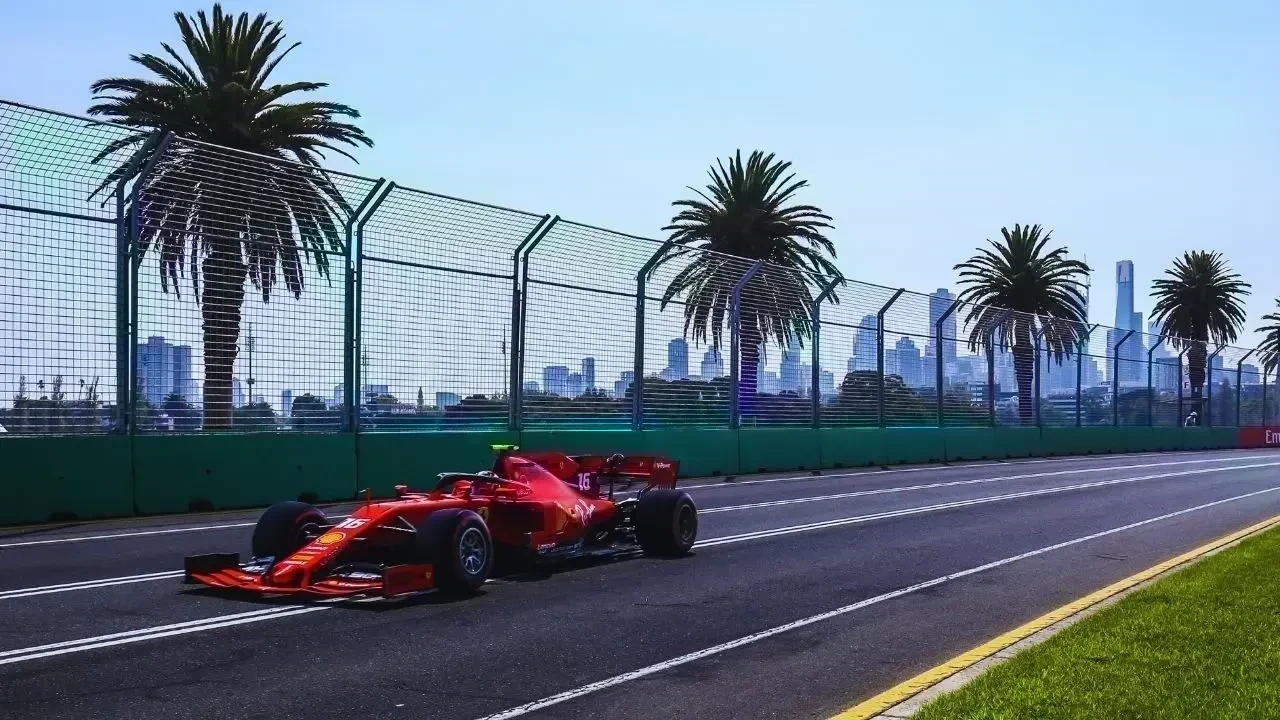
Formula 1 has always embraced innovation, and the upcoming 2026 engine revolution promises transformative changes that will redefine racing strategies and performance on the track. This landmark overhaul isn't just about updating technical specifications; it signifies a fundamental shift towards a more sustainable and efficient sport.
The FIA’s new regulations for 2026 are designed to align the sport with global trends in automotive technology. With radically redesigned power units, enhanced electrical output, and a commitment to sustainability, this new era aims to create a faster, cleaner Formula 1 experience.
As enthusiasts and teams gear up for the upcoming changes, the 2026 regulations signal the dawn of intensified speed, strategy, and remarkable engineering.
The 2026 power units will keep a turbocharged internal combustion engine (ICE) coupled with an energy recovery system (ERS), but the dynamics between the two will evolve.
Critical modifications include:
Balanced power distribution between combustion and electrical components
Minimized MGU-H, the heat-based energy recovery system
Greater reliance on MGU-K, which focuses on kinetic recovery
Significantly increased electrical output, nearly tripling what drivers can access
This transformation brings F1 closer to mainstream automotive advancements, particularly in hybrid and electric technologies.
A revolutionary change is the introduction of fully sustainable fuel. Crafted to be carbon-neutral, this innovative fuel is derived from renewable resources, paving the way for Formula 1 to decrease its carbon footprint while maintaining top performance.
This significant shift is in harmony with the sport's ambitious goal to achieve net-zero carbon emissions, positioning Formula 1 as a frontrunner in the energy evolution.
Previously viewed as one of the most complex components in modern F1 engines, the MGU-H harnessed heat from the turbocharger to generate electrical energy. However, this sophistication made engines costly and challenging for newcomers.
With its removal, the FIA’s goals are to:
reduce expenses
attract new engine suppliers
simplify engine architecture
enhance reliability
This shift redirects focus towards turbo efficiency, battery management, and kinetic recovery, compelling teams to innovate their power management tactics.
disrupt historical dominance
foster new competitors
unleash groundbreaking developments
The 2026 power units aim to close performance gaps, rewarding teams that can innovate swiftly.
The 2026 regulations stipulate that the MGU-K must provide three times more power than existing systems, greatly enhancing electrical energy availability for acceleration.
Drivers will navigate:
larger battery capacity
more frequent deployment windows
advanced regeneration strategies
This evolution propels Formula 1 towards a hybrid performance model that combines raw combustion with electric acceleration.
With enhanced electric deployment:
overtakes will become more dynamic
defensive maneuvers will hinge on effective energy management
race strategies will adopt a more analytical approach
Teams will have to rethink tactics regarding tire wear, pace management, and energy conservation, placing greater emphasis on drivers' energy control skills.
To counterbalance the added weight from larger batteries, Formula 1 cars will be made lighter overall, a much-anticipated adjustment as the current vehicles are the heaviest in F1 history.
A lighter chassis allows for:
better cornering capabilities
increased maneuverability
less tire wear
superior race strategies
This weight reduction is highly anticipated, particularly among drivers seeking more agile machines.
The regulations from 2026 will unveil dynamic aero technologies that adapt during races. In contrast to the current DRS, these active components will:
optimize straight-line drag
boost cornering downforce
enhance aerodynamic efficiency
provide more overtaking chances
This blend of precision engineering and real-time driver interaction will redefine race dynamics.
A standout development for 2026 is Audi's introduction as both an engine supplier and a works team, leveraging its experience in endurance racing and hybrid technologies, poised to be a formidable contender.
The 2026 season will mark the debut of Red Bull-Ford engines, as Red Bull ends its partnership with Honda, combining an innovative culture with engineering prowess.
Honda's reinvigoration in the sport showcases its confidence in a hybrid-electric Formula 1 future. With the elimination of MGU-H—one of their strongest assets—the supplier competition becomes less predictable.
The upcoming regulations emphasize:
energy storage solutions
battery cooling technologies
intelligent software integration
strategic power deployment
Teams with robust computational resources might enjoy an initial edge.
To meet the demands of managing advanced energy systems, drivers are intensively training in:
regenerative braking techniques
power deployment strategies
throttle control
battery recovery tactics
Mental sharpness will be just as vital as physical stamina.
Teams are developing advanced simulators to model new engine behavior across various track conditions, making data analysis and modeling key to car design.
With reduced fuel flow and sustainable fuels, teams will need to maximize combustion efficiency. Key strategic considerations will involve:
balancing electric and combustion power
determining when to accelerate or conserve
monitoring engine temperatures
The deployment of electric power will become a focal point for single-lap performances, leading to more unpredictable qualifying sessions influenced heavily by battery strategies.
Race engineers will need to manage:
battery regeneration
electric deployment intervals
tradeoffs between tires and energy
varying downforce levels
Fans can anticipate more lead changes, strategy shifts, and nail-biting last laps.
With less drag, lighter cars, and advanced aerodynamics, the 2026 season is expected to deliver more thrilling wheel-to-wheel contests and reduced processional races.
The landscape of dominance might shift significantly, allowing for unexpected success stories among teams as technological changes level the playing field.
The introduction of sustainable fuels and hybrid technology will realign motorsport with global environmental initiatives.
The transformative engine regulations for 2026 are more than just procedural changes; they set the stage for a daring step into the future. Formula 1 is committed to balancing speed, sustainability, innovation, and competitiveness.
This new chapter promises thrilling races, cutting-edge engineering, and the reconfiguration of established hierarchies. As teams adapt to these changes, fans can look forward to witnessing a faster, cleaner, and more exciting Formula 1.
Disclaimer:
The information presented is based on existing regulations, team announcements, and anticipated engineering developments, intended for informative editorial purposes.

Predictheon Wins WHX Xcelerate Innovation Champion 2026
Predictheon won WHX 2026 Xcelerate, earning US$12,000, WHX 2027 space and global exposure for its AI
Omantel Launches Otech to Drive Oman’s Future Tech Vision
Omantel launches Otech to accelerate Oman’s digital transformation, strengthen data sovereignty, exp

Daimler Truck MEA Honors Top Distributors at EliteClass 2025
Daimler Truck MEA hosted EliteClass Awards 2025 in Dubai, honoring top distributors across 19 catego

King Mohammed VI Launches Safran Landing Gear Plant in Morocco
Morocco strengthens its aerospace leadership as King Mohammed VI launches Safran’s €280M landing gea

Qatar Emir Sheikh Tamim Arrives in UAE on Fraternal Visit
Qatar’s Emir Sheikh Tamim bin Hamad Al Thani arrived in Abu Dhabi on Saturday. UAE President Sheikh

Shaidorov Wins Stunning Olympic Gold as Malinin Falters
Kazakhstan’s Mikhail Shaidorov won men’s figure skating gold after US star Ilia Malinin fell twice.

Shakira’s 5-Show El Salvador Residency Boosts Bukele Image
Shakira’s five sold-out concerts in San Salvador highlight El Salvador’s security shift under Bukele


Why Drinking Soaked Chia Seeds Water With Lemon and Honey Before Breakfast Matters
Drinking soaked chia seeds water with lemon and honey before breakfast may support digestion hydrati

Morning Walk vs Evening Walk: Which Helps You Lose More Weight?
Morning or evening walk Learn how both help with weight loss and which walking time suits your body

What Really Happens When You Drink Lemon Turmeric Water Daily
Discover what happens to your body when you drink lemon turmeric water daily including digestion imm
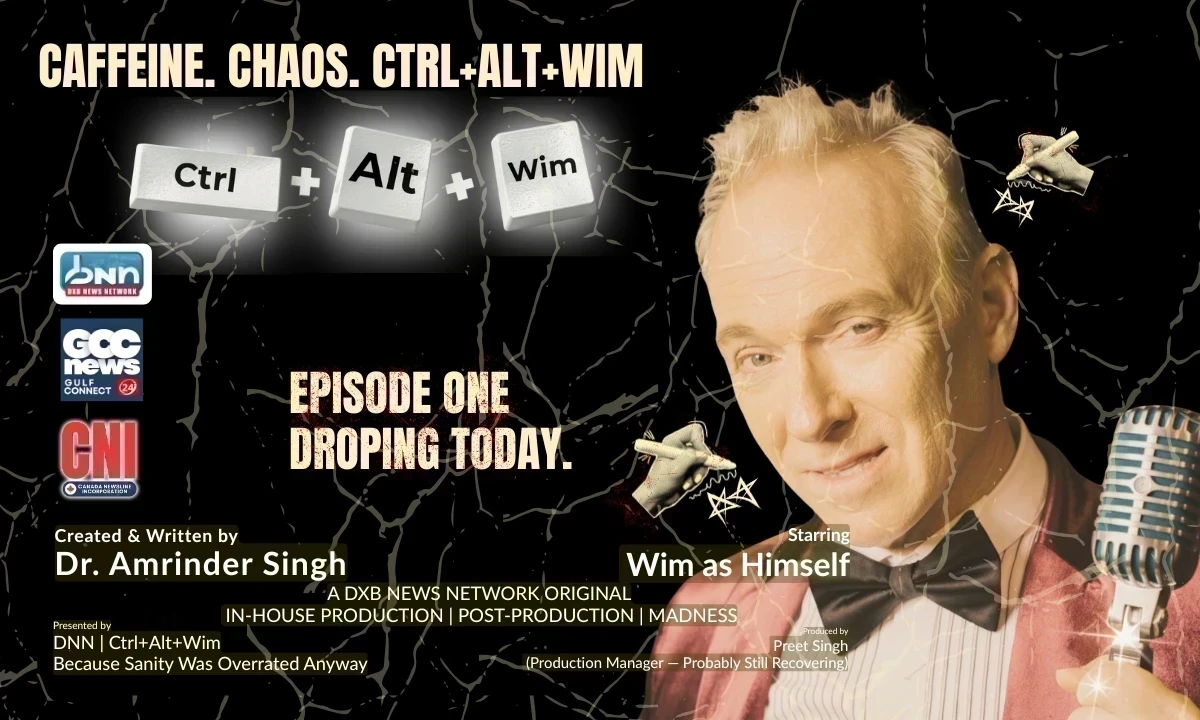
DXB News Network Presents “Ctrl+Alt+Wim”, A Bold New Satirical Series Starring Global Entertainer Wim Hoste
DXB News Network premieres Ctrl+Alt+Wim, a bold new satirical micro‑series starring global entertain

High Heart Rate? 10 Common Causes and 10 Natural Ways to Lower It
Learn why heart rate rises and how to lower it naturally with simple habits healthy food calm routin

10 Simple Natural Remedies That Bring Out Your Skin’s Natural Glow
Discover simple natural remedies for glowing skin Easy daily habits clean care and healthy living ti

Mattel Revamps Masters of the Universe Action Figures for Upcoming Film
Mattel is set to revive Masters of the Universe action figures in sync with their new movie, ignitin

China Executes 11 Members of Infamous Ming Family Behind Myanmar Scam Operations
China has executed 11 Ming family members, linked to extensive scams and gambling in Myanmar, causin