Post by : Bianca Qureshi
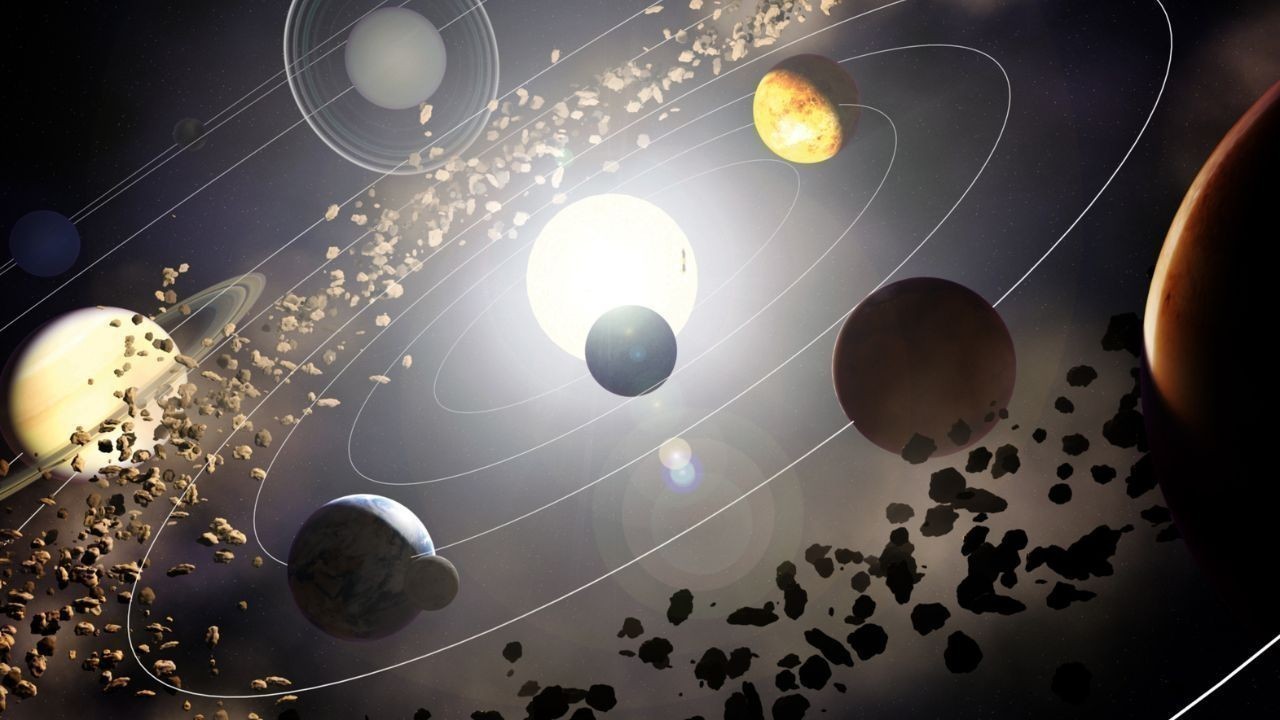
The solar system is an intricate cosmic neighborhood comprising eight major planets, each with unique characteristics, compositions, and orbital patterns. Studying all planets not only enhances our knowledge of space but also provides insights into the formation and evolution of our solar system. This article delves into detailed facts, unique features, and scientific theories about all planets.
Distance from Sun: 57.9 million km
Diameter: 4,879 km
Orbital Period: 88 days
Key Facts:
Mercury is the closest planet to the Sun and the fastest-moving planet in our solar system.
It has almost no atmosphere, causing extreme day-night temperature differences (-173°C to 427°C).
Its surface is heavily cratered, similar to the Moon, with features like Caloris Basin.
Mercury’s magnetic field is surprisingly strong despite its small size.
It completes a rotation on its axis every 59 Earth days, creating a unique day-night cycle.
Distance from Sun: 108.2 million km
Diameter: 12,104 km
Orbital Period: 225 days
Key Facts:
Venus is often called Earth’s twin due to its similar size and mass.
Its dense atmosphere, mostly carbon dioxide, traps heat through a runaway greenhouse effect, reaching 465°C.
Venus rotates slowly and in a retrograde motion; its day is longer than its year.
Sulfuric acid clouds cover the planet, making its atmosphere toxic and reflective.
No moons or rings exist around Venus, unlike most other planets.
Distance from Sun: 149.6 million km
Diameter: 12,742 km
Orbital Period: 365.25 days
Key Facts:
Earth is the only known planet supporting life due to its ideal atmosphere and liquid water.
71% of the Earth’s surface is covered with water, creating oceans, rivers, and lakes.
The atmosphere protects life from harmful solar radiation.
Earth’s magnetic field helps shield the planet from solar winds.
Its single moon stabilizes Earth’s rotation and influences tides, crucial for ecosystems.
Distance from Sun: 227.9 million km
Diameter: 6,779 km
Orbital Period: 687 days
Key Facts:
Mars has a reddish hue due to iron oxide (rust) on its surface.
Olympus Mons, the tallest volcano, and Valles Marineris, a giant canyon, make it geologically interesting.
Evidence of ancient riverbeds suggests Mars may have had liquid water.
Mars has two small moons: Phobos and Deimos, likely captured asteroids.
Scientists consider Mars the prime candidate for future human colonization.
Distance from Sun: 778.3 million km
Diameter: 139,820 km
Orbital Period: 12 years
Key Facts:
Jupiter is the largest planet, with more than 90 moons including Ganymede, the largest moon in the solar system.
Its Great Red Spot is a giant storm persisting for over 300 years.
Jupiter has a strong magnetic field and faint rings.
Composed mainly of hydrogen and helium, it may have a rocky core.
It plays a protective role, attracting comets and asteroids with its gravity, reducing impact risks for inner planets.
Distance from Sun: 1.43 billion km
Diameter: 116,460 km
Orbital Period: 29 years
Key Facts:
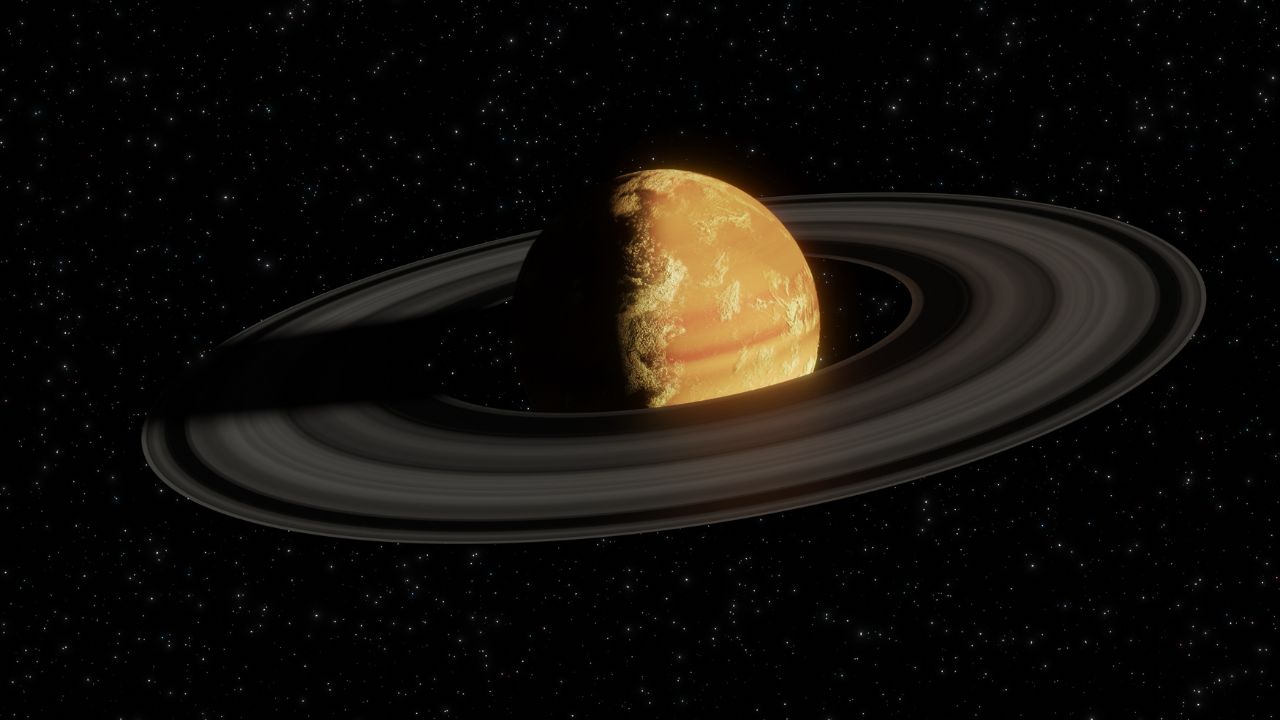
Saturn’s rings are made of ice, rock, and dust, and are divided into seven main groups.
Saturn has more than 80 moons, including Titan, which has a thick nitrogen-rich atmosphere.
It is the least dense planet; its density is lower than water.
Saturn’s winds reach up to 1,800 km/h.
Studying Saturn helps understand planetary ring formation and evolution.
Distance from Sun: 2.87 billion km
Diameter: 50,724 km
Orbital Period: 84 years
Key Facts:
Uranus rotates almost on its side, possibly due to a massive collision in the past.
Its pale blue color comes from methane gas in the atmosphere.
Uranus has 27 moons and faint rings, discovered in the 1970s.
Extremely cold, with average temperatures around -224°C, making it the coldest planet.
Uranus’ unusual tilt affects its seasons, causing each pole to experience 42 years of sunlight followed by darkness.
Distance from Sun: 4.5 billion km
Diameter: 49,244 km
Orbital Period: 165 years
Key Facts:
Neptune has the strongest winds in the solar system, exceeding 2,100 km/h.
It appears deep blue due to atmospheric methane absorption of red light.
Neptune has 14 known moons, with Triton being geologically active and having geysers.
Its orbit is the farthest from the Sun, with extreme cold around -214°C.
Discovered in 1846 through mathematical predictions before being observed directly.
Inner planets (Mercury, Venus, Earth, Mars) are rocky with thin atmospheres.
Outer planets (Jupiter, Saturn, Uranus, Neptune) are gas or ice giants, mostly hydrogen, helium, and ices.
Planets closer to the Sun have shorter orbital periods, while distant planets take decades to orbit once.
Gravitational interactions between planets influence asteroid belts and comet paths.
Planetary Formation Theory: All planets formed from a protoplanetary disk around the Sun 4.6 billion years ago.
Planet Migration Theory: Some planets, especially gas giants, may have shifted positions after formation.
Exoplanet Comparison: Observing exoplanets helps understand how unique or common our solar system is.
All planets in the solar system present a fascinating study of diversity, from Mercury’s scorching surface to Neptune’s icy winds. By exploring all planets, we gain insight into the forces shaping our solar system, planetary evolution, and the potential for life beyond Earth. Understanding each planet’s characteristics, atmosphere, and unique features enriches both scientific knowledge and human curiosity.
Disclaimer:
The content provided in this article is for informational and educational purposes only. While DXB News Network strives to ensure the accuracy and reliability of the information about all planets and related scientific facts, the network does not guarantee the completeness, timeliness, or accuracy of the data. Readers are encouraged to verify information independently and consult authoritative sources for academic, professional, or research purposes. DXB News Network is not responsible for any decisions, actions, or interpretations made based on this content.

Thousands March in Caracas, Demand Maduro’s Release
Thousands of Maduro supporters marched in Caracas, one month after a deadly US raid ousted him, dema
Sheikh Mohammed Visits WGS 2026 Media, Cybersecurity Centres
Sheikh Mohammed visited the WGS 2026 media and cybersecurity centres in Dubai, highlighting media’s
Sitharaman Meets World Bank President Ajay Banga on Viksit Bharat Plan
Finance Minister Nirmala Sitharaman met World Bank President Ajay Banga to discuss the new Country P
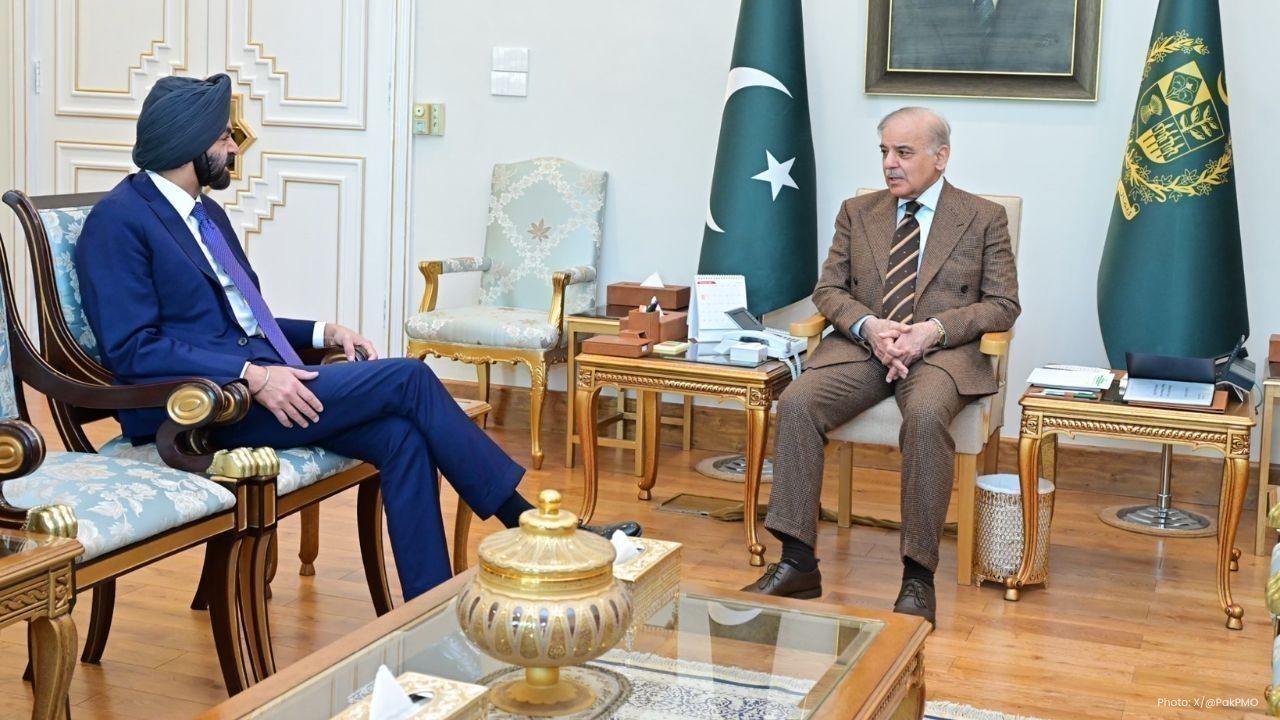
PM Shehbaz Meets WBG President Ajay Banga to Boost Pakistan Reforms
PM Shehbaz Sharif meets World Bank President Ajay Banga, discussing economic reforms, development pr

Italy’s Unemployment Hits Record Low of 5.6% in December
Italy’s unemployment fell to a historic 5.6% in December, the lowest since 2004, with employment at

Australian Open Champ Rybakina Headlines Dubai Tennis Elite Field
Fresh from her Australian Open triumph, Elena Rybakina returns to Dubai as a resident and WTA 1000 c
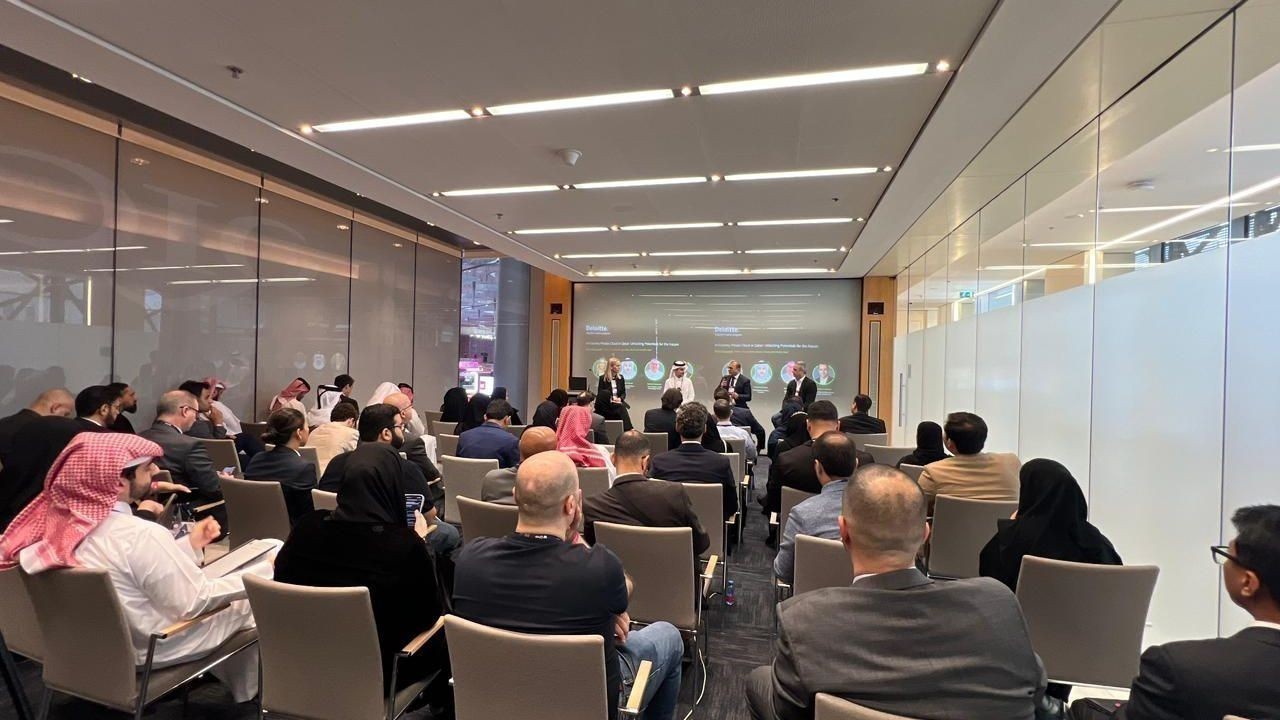
Deloitte Champions Enterprise & Public Sector Innovation at Web Summit Qatar
Deloitte leads masterclasses on in-country cloud, AI, and tech governance at Web Summit Qatar 2026,


Why Drinking Soaked Chia Seeds Water With Lemon and Honey Before Breakfast Matters
Drinking soaked chia seeds water with lemon and honey before breakfast may support digestion hydrati

Morning Walk vs Evening Walk: Which Helps You Lose More Weight?
Morning or evening walk Learn how both help with weight loss and which walking time suits your body

What Really Happens When You Drink Lemon Turmeric Water Daily
Discover what happens to your body when you drink lemon turmeric water daily including digestion imm

DXB News Network Presents “Ctrl+Alt+Wim”, A Bold New Satirical Series Starring Global Entertainer Wim Hoste
DXB News Network premieres Ctrl+Alt+Wim, a bold new satirical micro‑series starring global entertain

High Heart Rate? 10 Common Causes and 10 Natural Ways to Lower It
Learn why heart rate rises and how to lower it naturally with simple habits healthy food calm routin

10 Simple Natural Remedies That Bring Out Your Skin’s Natural Glow
Discover simple natural remedies for glowing skin Easy daily habits clean care and healthy living ti

Mattel Revamps Masters of the Universe Action Figures for Upcoming Film
Mattel is set to revive Masters of the Universe action figures in sync with their new movie, ignitin

China Executes 11 Members of Infamous Ming Family Behind Myanmar Scam Operations
China has executed 11 Ming family members, linked to extensive scams and gambling in Myanmar, causin