Post by : Michael Darzi
Today, cinema is a big part of life in India. People enjoy movies in many ways—from modern multiplexes in big cities to old single-screen theatres in small towns. Going to the cinema is a common joy for families, friends, and movie lovers. But very few people know where and when India’s first cinema hall was built, and how that single place changed the way Indians watched stories on screen.
The story of India’s first cinema hall is not just about movies. It is about curiosity, new technology, and the beginning of a new form of entertainment. This article is written in simple and clear English, with a natural tone, so that even 8th-class students can easily read and understand it.
Cinema came to India in the late 19th century, not long after it started in Europe. At that time, the idea of moving pictures was completely new. People had never seen images move on a screen, so the experience felt surprising and exciting.
The first film show in India was held in 1896 at Watson’s Hotel in Bombay (now Mumbai). Short films made by the Lumière Brothers from France were shown. People who watched these films were amazed, but cinema was still seen as something temporary, not a regular form of entertainment.
For many years after this first show, films were screened in tents, theatres, or halls that were mainly used for stage plays and events. India still did not have a cinema hall built only for showing movies.
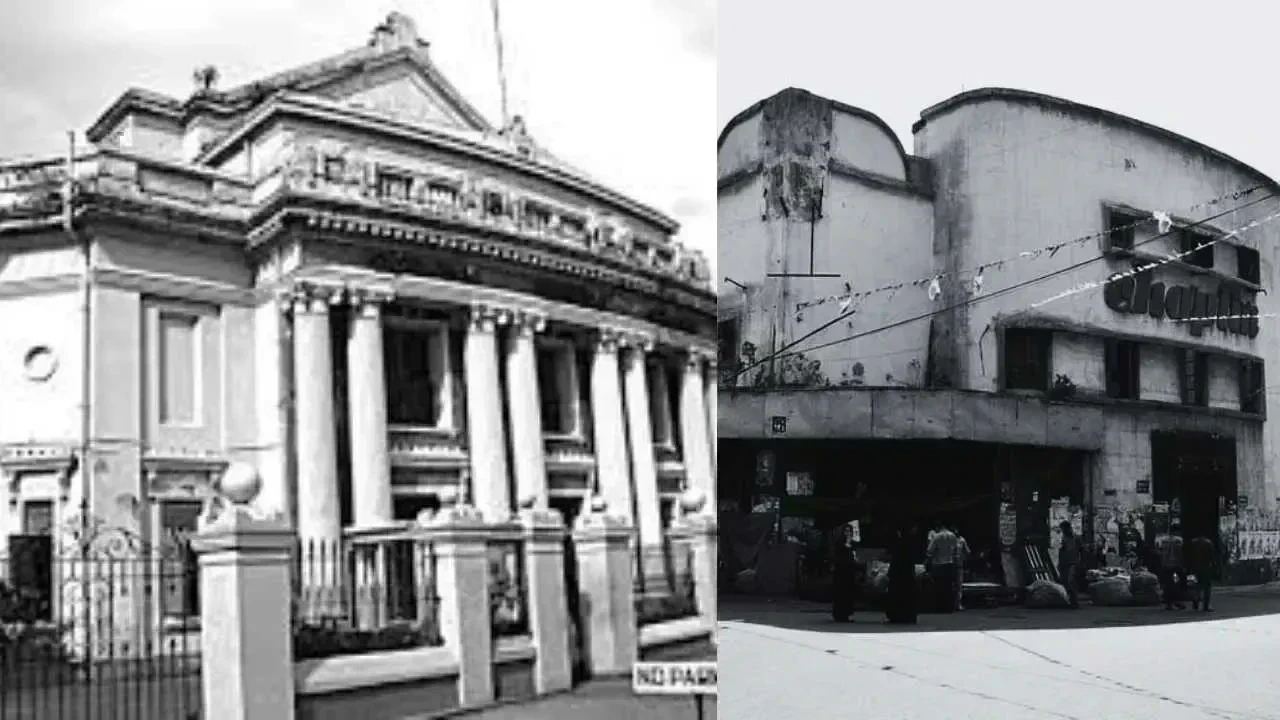
A major change came in 1907, when India’s first permanent cinema hall was built in Calcutta (now Kolkata). It was called Elphinstone Picture Palace, and later it became known as Chaplin Cinema.
This cinema hall was started by Jamshedji Framji Madan, a well-known theatre owner and film distributor of that time. He believed that cinema had a strong future in India and that films needed a proper place to be shown regularly.
Elphinstone Picture Palace was special because it was built only for cinema. Unlike earlier places, it was not a temporary setup. This made it the first true cinema hall in the country and marked the real beginning of cinema culture in India.
In the early 1900s, Calcutta was the capital of British India. It was an important cultural and social centre. The city had a strong theatre tradition and people who were open to new ideas and technology.
Because of this open mindset, Calcutta became the right place for India’s first cinema hall. People from different backgrounds came to Elphinstone Picture Palace to watch films. Slowly, going to the cinema became a regular habit and a shared public experience.
In the beginning, films shown at Elphinstone Picture Palace (later Chaplin Cinema) were silent and very short. There was no dialogue, no recorded sound, and no songs. To make the experience more enjoyable, live music was often played inside the hall during film shows.
Most of the films were from Europe. Indian-made films came later. Even so, these early film shows created interest among Indian audiences and helped cinema grow step by step in the country.
The opening of India’s first cinema hall changed entertainment in a big way. Before this, people mainly depended on stage plays, folk shows, and traditional performances. Cinema offered something different—stories told through moving pictures.
As interest grew, more cinema halls were built in other cities. Indian filmmakers started making local films, and cinema slowly became an important part of Indian culture and storytelling.
From silent films to sound films, from black-and-white movies to colour films, and now to digital cinema, the long journey of Indian cinema began with that one hall in Calcutta.
Elphinstone Picture Palace (later Chaplin Cinema) started the age of single-screen theatres in India. For many years, single screens were the main places where people watched movies together. Families, friends, and neighbours sat in the same hall and shared the joy of cinema.
With time, technology improved and multiplex theatres appeared. Even though cinema halls have changed in style and comfort, the excitement of watching a movie on the big screen has remained the same.
Learning about India’s first cinema hall helps us understand how Indian cinema began and how much effort went into building this industry. It shows that big changes often start with small but important steps.
What started in 1907 with Elphinstone Picture Palace (later Chaplin Cinema) slowly grew into one of the largest film industries in the world.
India’s first cinema hall, Elphinstone Picture Palace (later Chaplin Cinema), built in 1907 in Calcutta, marked the beginning of cinema culture in the country. It turned films from a short attraction into a regular form of entertainment.
Today, when people enjoy movies in modern theatres, it is worth remembering where it all started—with one cinema hall, one screen, and a simple dream to tell stories in a new way.
This article is provided for general information and educational purposes only. The historical details mentioned are based on widely available records, publications, and public sources, which may differ slightly across references. While every effort has been made to present accurate information, readers are encouraged to consult verified history books, academic research, museum archives, or official cultural records for in-depth study and confirmation. The publisher does not claim absolute authority on historical interpretation and is not responsible for any updates, revisions, or differing viewpoints that may emerge after publication.

Predictheon Wins WHX Xcelerate Innovation Champion 2026
Predictheon won WHX 2026 Xcelerate, earning US$12,000, WHX 2027 space and global exposure for its AI

Omantel Launches Otech to Drive Oman’s Future Tech Vision
Omantel launches Otech to accelerate Oman’s digital transformation, strengthen data sovereignty, exp

Daimler Truck MEA Honors Top Distributors at EliteClass 2025
Daimler Truck MEA hosted EliteClass Awards 2025 in Dubai, honoring top distributors across 19 catego

King Mohammed VI Launches Safran Landing Gear Plant in Morocco
Morocco strengthens its aerospace leadership as King Mohammed VI launches Safran’s €280M landing gea

Qatar Emir Sheikh Tamim Arrives in UAE on Fraternal Visit
Qatar’s Emir Sheikh Tamim bin Hamad Al Thani arrived in Abu Dhabi on Saturday. UAE President Sheikh

Shaidorov Wins Stunning Olympic Gold as Malinin Falters
Kazakhstan’s Mikhail Shaidorov won men’s figure skating gold after US star Ilia Malinin fell twice.

Shakira’s 5-Show El Salvador Residency Boosts Bukele Image
Shakira’s five sold-out concerts in San Salvador highlight El Salvador’s security shift under Bukele


Why Drinking Soaked Chia Seeds Water With Lemon and Honey Before Breakfast Matters
Drinking soaked chia seeds water with lemon and honey before breakfast may support digestion hydrati

Morning Walk vs Evening Walk: Which Helps You Lose More Weight?
Morning or evening walk Learn how both help with weight loss and which walking time suits your body

What Really Happens When You Drink Lemon Turmeric Water Daily
Discover what happens to your body when you drink lemon turmeric water daily including digestion imm

DXB News Network Presents “Ctrl+Alt+Wim”, A Bold New Satirical Series Starring Global Entertainer Wim Hoste
DXB News Network premieres Ctrl+Alt+Wim, a bold new satirical micro‑series starring global entertain

High Heart Rate? 10 Common Causes and 10 Natural Ways to Lower It
Learn why heart rate rises and how to lower it naturally with simple habits healthy food calm routin

10 Simple Natural Remedies That Bring Out Your Skin’s Natural Glow
Discover simple natural remedies for glowing skin Easy daily habits clean care and healthy living ti

Mattel Revamps Masters of the Universe Action Figures for Upcoming Film
Mattel is set to revive Masters of the Universe action figures in sync with their new movie, ignitin

China Executes 11 Members of Infamous Ming Family Behind Myanmar Scam Operations
China has executed 11 Ming family members, linked to extensive scams and gambling in Myanmar, causin