Post by : Anis Karim
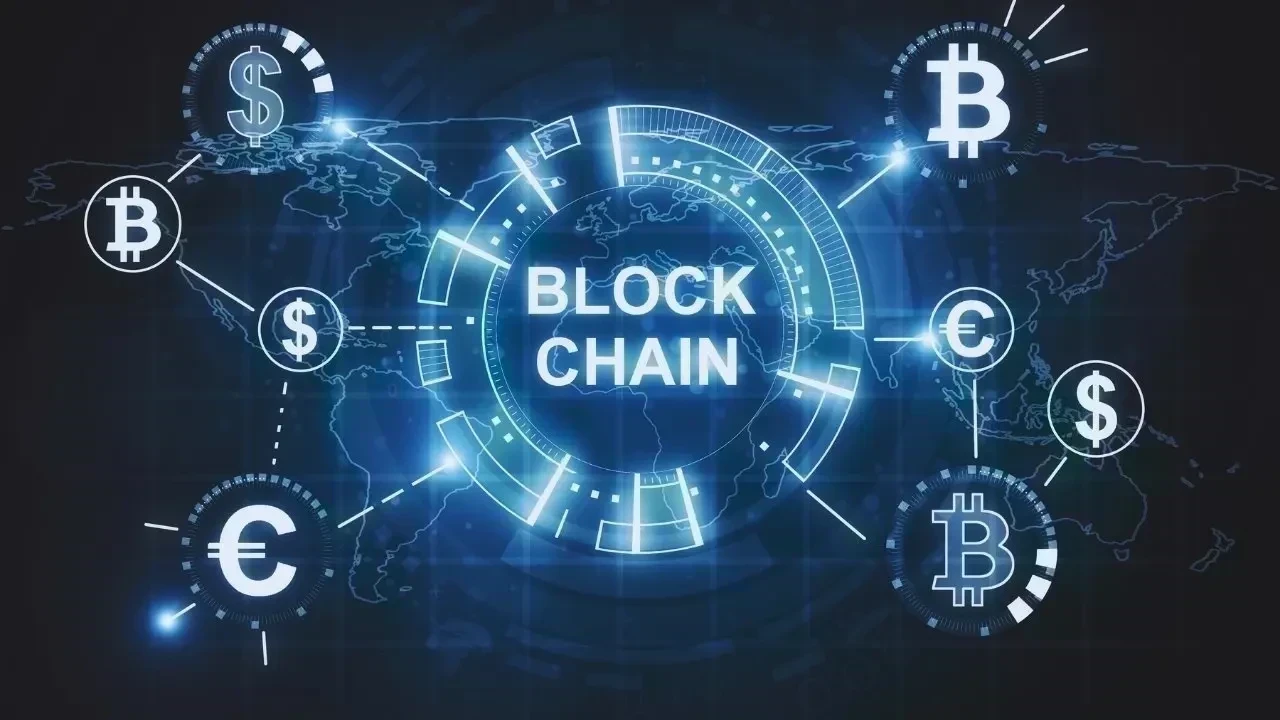
Initially born with Bitcoin, blockchain technology has proven to be much more than a digital currency. While early discussions focused on the volatility of crypto markets, a more significant possibility emerged: an immutable, decentralized ledger enabling secure and transparent transactions without the need for a central authority.
By 2026, its applications have diversified significantly. Various sectors—including businesses, governments, and institutions—are actively implementing blockchain for real-world applications such as enhancing supply chain transparency, validating academic qualifications, facilitating cross-border financial transactions, and safeguarding important infrastructure. This evolution marks a pivotal moment in blockchain acceptance, extending its relevance beyond speculative trading.
This article delves into contemporary blockchain applications, shedding light on their impact and significance in reshaping industries far removed from its origins.
One of the most striking applications of blockchain is in the realm of supply chain management. Typically, supply chains consist of numerous intermediaries, including manufacturers, logistics providers, distributors, and retailers, each using different record-keeping systems. This disjointedness results in inefficiencies and increased risks of fraud.
Blockchain addresses these challenges by establishing a shared, tamper-proof ledger accessible to all parties involved.
With blockchain, every process in the product lifecycle can be documented immutably—from the source of raw materials to shipping timelines, customs clearance, and final delivery. This intricate linking of records ensures that altering any history without detection is nearly impossible. Such a feature is vital in industries where authenticity and safety are paramount, like pharmaceuticals, luxury products, and food.
Consumers can scan product codes to access a transparent tracking history. A seafood product, for instance, can reveal its journey from catch to processing and delivery, fostering trust and enhancing brand integrity.
Moreover, blockchain helps cut down on waste and fraud by pinpointing inefficiencies, improving inventory management, and discouraging counterfeit goods. In agriculture, where losses due to spoilage can be substantial, real-time tracking allows stakeholders to optimize routing and storage.
Issues like identity theft and data breaches continue to plague the global landscape. Conventional identity systems often depend on centralized databases which are susceptible to hacking. Blockchain’s decentralized structure presents a more secure solution.
Blockchain facilitates self-sovereign identity (SSI), allowing individuals to manage their identity credentials without relying on governmental or corporate entities. Instead of juggling multiple login details across various services, users can maintain a single, verifiable, and secure digital identity.
For instance, a student's educational credentials and licenses can reside on a blockchain, enabling employers to validate them directly without contacting issuing institutions. This process significantly mitigates fraud and accelerates verification.
Utilizing cryptographic keys, blockchain ensures sensitive data is never plaintext-stored—a significant advancement in personal data management. This empowers individuals by giving them authority over their own information.
Though blockchain is often associated with cryptocurrencies, traditional financial institutions are increasingly recognizing its broader applicability beyond market speculation.
Cross-border remittances are typically slow and costly due to the involvement of multiple intermediaries. Blockchain allows rapid international money transfers with fixed fees. By using tokenized or stablecoin currencies pegged to fiat, institutions can streamline global payments.
For example, a worker overseas can send money to their family back home almost instantly, with minimal conversion delays. This innovation significantly reduces costs and improves efficiency for millions globally.
Blockchain is revolutionizing trade finance by automating processes traditionally bogged down by manual reconciliations. Shared ledgers create a unified source of truth for all stakeholders, minimizing paperwork and expediting transactions.
By introducing digital methods for managing settlements, banks and businesses are alleviating risk and enhancing cash flow—this is especially advantageous for small to medium-sized enterprises engaged in international trade.
Healthcare sectors generate substantial sensitive data, necessitating secure management to maintain patient privacy. Traditional electronic health record systems often lack interoperability, limiting continuity of care.
Blockchain solves this by offering a secure, immutable history of patient records accessible to authorized parties.
With blockchain, patients' medical histories can be shared securely among hospitals while bypassing the need for separate databases. This enhanced interoperability has the potential to improve diagnostics, reduce redundant examinations, and elevate patient outcomes.
For emergency services, critical patient information can be shared instantaneously among care providers, enabling more informed and quicker decision-making.
Due to the cryptographic nature of blockchain records, unauthorized access and data leakage risks are significantly minimized. Patients have control over who accesses their information and can withdraw access whenever necessary.
One of the fascinating applications of blockchain lies within voting systems. Traditional approaches face challenges such as vulnerability to manipulation and transparency issues. In contrast, blockchain can provide a tamper-proof, auditable voting process.
With a well-structured blockchain voting mechanism, each vote becomes a secure record on a publicly verifiable ledger. Voters can confirm their submissions without compromising privacy, and independent auditors can easily validate election outcomes.
This level of transparency could enhance public confidence in elections, particularly in contested situations.
Blockchain enables secure remote voting, providing protection against the vulnerabilities commonly seen in traditional online systems. In areas with limited polling access, blockchain-driven voting can boost participation without compromising integrity.
Property sales often involve an overwhelming amount of paperwork and intermediaries. Blockchain can simplify these transactions with a precise, tamper-proof ownership record.
Blockchain enables smart contracts, which automatically enforce agreements when specific conditions are met. In real estate, transactions can occur automatically upon the completion of conditions such as payment or title verification. This innovation significantly reduces the need for lawyers, notaries, and escrow services.
Records stored on blockchain are inherently secure and easily verifiable, reducing fraudulent activities and easing due diligence for buyers, lenders, and regulators.
Decentralized Finance (DeFi), emerging from blockchain technology, allows financial services without the need for traditional banks. Although originally centered around lending and trading, DeFi's capabilities extend even further.
DeFi protocols provide users globally access to savings and lending opportunities with only an internet connection. This accessibility promotes financial inclusion for unbanked communities, particularly in areas lacking robust banking systems.
Using smart contracts, DeFi platforms enable automated options such as yield accounts and programmed payments. These services function transparently, free from centralized control, granting users greater authority over their assets.
The energy sector is increasingly exploring blockchain to monitor renewable energy production and consumption. Traditional energy networks are often opaque, yet distributed ledgers simplify the tracking of renewable credits and energy certificates.
Pilot initiatives allow households with solar panels to sell their excess energy to neighbors through blockchain marketplaces, empowering local energy networks.
Blockchain also serves to track carbon credit transactions, ensuring authenticity and preventing duplicate credits. This contributes to more robust carbon trading and sustainability efforts.
Blockchain serves to secure intellectual property rights by timestamping creations on a immutable ledger.
Creators can register their artistic works on blockchain, establishing a permanent record of ownership. This minimizes disputes while enabling innovative tracking of royalties.
While Non-Fungible Tokens (NFTs) garnered attention in the digital art world, blockchain's potential spans broader applications, affecting licensing, virtual assets, and revenue streams for creators.
Despite its considerable advancements, blockchain faces several challenges.
Many blockchain networks encounter difficulties with transaction speed and costs during peak usage times. Innovations like layer-2 solutions are being pursued, yet complete performance improvements are still a work in progress.
Globally, policymakers are still determining the best regulatory frameworks for blockchain solutions. Clear guidelines are essential to stimulate innovation while safeguarding consumer interests.
Many sectors operate on legacy systems, making blockchain integration a complex process requiring thorough planning and collaboration across industries, often necessitating regulatory approval which can impede adoption.
The evolution of blockchain is far from over. As organizations transition from initial trials to comprehensive implementations, real-life successes will enhance confidence and inspire further innovation. Increased interoperability among different blockchains and improved user privacy measures are likely to foster greater adoption.
Future applications may include:
Universal healthcare records
Digital passports
Global credentialing systems
Automated compliance with regulations
Decentralized governance frameworks
Each of these domains could leverage blockchain's core advantages: transparency, security, and decentralization.
The transition of blockchain from cryptocurrency technology to a foundational resource for various real-world applications marks a transformative chapter in information systems over the past decade. After starting as a new medium for transferring digital currency, it has evolved into an essential platform for verification, data integrity, and decentralized collaboration.
As industries, governments, and institutions continue to experiment and refine blockchain applications, the narrative shifts: it’s no longer merely about tokens and speculation. It’s fundamentally about addressing real challenges—enhancing supply chain visibility, securing identity, innovating financial services, and enabling new digital interactions.
By 2026, the true promise of blockchain is increasingly realized through practical applications rather than mere hype.
This article is solely for informational purposes and does not represent financial, legal, or technical advice. Actual outcomes may vary based on regulatory frameworks, technological advancements, and organizational factors.

Predictheon Wins WHX Xcelerate Innovation Champion 2026
Predictheon won WHX 2026 Xcelerate, earning US$12,000, WHX 2027 space and global exposure for its AI
Omantel Launches Otech to Drive Oman’s Future Tech Vision
Omantel launches Otech to accelerate Oman’s digital transformation, strengthen data sovereignty, exp

Daimler Truck MEA Honors Top Distributors at EliteClass 2025
Daimler Truck MEA hosted EliteClass Awards 2025 in Dubai, honoring top distributors across 19 catego

King Mohammed VI Launches Safran Landing Gear Plant in Morocco
Morocco strengthens its aerospace leadership as King Mohammed VI launches Safran’s €280M landing gea

Qatar Emir Sheikh Tamim Arrives in UAE on Fraternal Visit
Qatar’s Emir Sheikh Tamim bin Hamad Al Thani arrived in Abu Dhabi on Saturday. UAE President Sheikh

Shaidorov Wins Stunning Olympic Gold as Malinin Falters
Kazakhstan’s Mikhail Shaidorov won men’s figure skating gold after US star Ilia Malinin fell twice.

Shakira’s 5-Show El Salvador Residency Boosts Bukele Image
Shakira’s five sold-out concerts in San Salvador highlight El Salvador’s security shift under Bukele


Why Drinking Soaked Chia Seeds Water With Lemon and Honey Before Breakfast Matters
Drinking soaked chia seeds water with lemon and honey before breakfast may support digestion hydrati

Morning Walk vs Evening Walk: Which Helps You Lose More Weight?
Morning or evening walk Learn how both help with weight loss and which walking time suits your body

What Really Happens When You Drink Lemon Turmeric Water Daily
Discover what happens to your body when you drink lemon turmeric water daily including digestion imm

DXB News Network Presents “Ctrl+Alt+Wim”, A Bold New Satirical Series Starring Global Entertainer Wim Hoste
DXB News Network premieres Ctrl+Alt+Wim, a bold new satirical micro‑series starring global entertain

High Heart Rate? 10 Common Causes and 10 Natural Ways to Lower It
Learn why heart rate rises and how to lower it naturally with simple habits healthy food calm routin

10 Simple Natural Remedies That Bring Out Your Skin’s Natural Glow
Discover simple natural remedies for glowing skin Easy daily habits clean care and healthy living ti

Mattel Revamps Masters of the Universe Action Figures for Upcoming Film
Mattel is set to revive Masters of the Universe action figures in sync with their new movie, ignitin
China Executes 11 Members of Infamous Ming Family Behind Myanmar Scam Operations
China has executed 11 Ming family members, linked to extensive scams and gambling in Myanmar, causin