Post by : Anis Karim
An AI health coach is a digital assistant that monitors metrics such as sleep, heart rate, activity levels, and nutritional habits to provide personalized guidance. Unlike traditional fitness apps that log data, modern AI coaches interpret health data and suggest actionable steps—similar to a human coach.
These systems continuously adapt to user behavior, providing feedback, tracking progress, and helping users stay aligned with their wellness goals. They can suggest adjustments to workouts, sleep routines, or dietary choices based on real-time data, but it’s important to recognize that human oversight is still essential for complex health concerns.
AI health coaches already deliver meaningful support in several ways:
By leveraging wearable devices and health tracking apps, AI coaches can monitor daily patterns such as sleep quality, activity levels, and heart rate variability. They identify deviations or trends that might go unnoticed, helping users adjust routines for improved outcomes. For example, a sudden drop in sleep quality could trigger a suggestion for earlier bedtime or a light recovery workout.
AI coaches tailor programs to individual schedules, habits, and baseline fitness levels. Goals adjust dynamically as users progress, creating a personalized path for improvement. They can recommend lighter or more intense workouts depending on recovery metrics and readiness scores, making fitness plans more responsive to daily conditions.
Human coaches are limited by time, availability, and cost. AI coaches provide near-constant access at a fraction of the cost, allowing users to receive guidance anytime, anywhere. This scalability makes health coaching more accessible to a wider audience.
AI systems can provide reminders, check-ins, and motivational prompts to reinforce healthy habits. By nudging users to stay on track with exercise, sleep, and nutrition, these tools help maintain engagement and support long-term behavior change.
Modern AI coaches consolidate data from multiple sources such as wearables, smart scales, sleep trackers, and mobile apps. This creates a comprehensive view of health, enabling more holistic and informed recommendations.
Despite their advantages, AI health coaches have notable limitations:
AI cannot diagnose complex medical conditions or replace professional medical advice. While it can identify patterns in data, it cannot evaluate underlying pathologies, medication interactions, or coexisting health issues.
Coaching often involves emotional support and understanding of personal context. AI lacks the ability to fully interpret nuanced life circumstances or provide empathetic guidance, which can limit its effectiveness in motivation and mental health support.
The accuracy of AI depends on high-quality input data. Errors in wearable readings or biased training datasets can undermine recommendations. Furthermore, the handling of sensitive health data raises privacy and security concerns.
Users often experience engagement drop-offs over time. While AI nudges can boost short-term activity, maintaining long-term adherence remains a challenge.
AI health coaching occupies a grey area between wellness guidance and medical advice. Regulatory frameworks are evolving, and standards for accountability and safety are still developing.
Marketing claims that position AI coaches as comprehensive wellness experts can mislead users. Overconfidence in AI guidance may result in frustration, misuse, or even health risks.
AI coaches are most effective for individuals looking to enhance daily activity, improve sleep, or maintain consistent health routines. They provide structured guidance and incremental adjustments to maintain progress.
In areas where professional coaching is costly or unavailable, AI health coaches offer affordable wellness support, helping users maintain healthy routines without human intervention.
AI coaches guide new users in developing healthy habits, from fitness tracking to sleep hygiene and stress management. Early guidance can set the foundation for long-term behavioral change.
Users generating continuous health data can benefit from AI insights, identifying correlations between behaviors and outcomes, and making data-informed adjustments to daily routines.
Hybrid models combine AI analytics with human coaching. AI handles data interpretation and routine monitoring, while humans focus on personalized guidance, motivation, and context-aware interventions.
Data Usage: What types of data does the AI monitor, and how is it used?
Algorithm Training: Was the AI trained on diverse populations?
Personalization: Does it adapt to individual lifestyle, fitness, and goals?
Limitations: Are users informed that AI cannot replace medical care?
Privacy and Security: Are user data protected with robust policies?
Escalation Paths: Is there guidance for seeking human expertise when issues arise?
Cost and Commitment: Are ongoing subscriptions required, and do benefits justify the cost?
Multi-Modal Data Integration: Combines sleep, activity, nutrition, and recovery metrics.
Adaptive Recommendations: Adjusts plans dynamically based on progress and readiness.
Accountability Mechanisms: Provides reminders and tracks adherence.
Human Oversight: Escalates complex issues to qualified professionals.
Transparent Limitations: Clearly communicates what it can and cannot do.
Privacy Compliance: Protects sensitive health data and ensures user consent.
Sustainable Engagement Design: Uses habit-support strategies to maintain long-term participation.
Wearables are expected to track more biometrics, including stress, recovery, and sleep stages, enabling AI to provide even more precise insights.
AI models will incorporate lifestyle and emotional context, offering recommendations that align with individual stress levels, travel schedules, and personal routines.
Future wellness programs will combine AI analysis with human supervision to maximize efficiency, accuracy, and empathy.
Clearer standards for AI wellness tools are expected, ensuring safer, more accountable applications.
AI coaches will increasingly support nutrition, stress management, habit formation, and holistic lifestyle guidance, moving closer to comprehensive digital wellness platforms.
Consumers: Use AI coaches as assistants, not substitutes, especially for serious health concerns.
Professionals: Integrate AI tools to support monitoring and analytics while retaining human expertise.
Developers: Ensure transparency, ethical usage, and privacy protection to build user trust.
Policy Makers: Establish regulations differentiating coaching guidance from medical advice.
AI health coaches are no longer futuristic concepts—they are practical tools that enhance wellness routines through real-time insights, personalized guidance, and habit reinforcement. Yet they remain imperfect, lacking full clinical understanding, empathy, and nuanced context interpretation.
For optimal results, AI health coaches should be part of a broader wellness ecosystem, complementing human expertise rather than replacing it. Users who adopt them wisely and with realistic expectations are likely to experience meaningful benefits in fitness, sleep, and lifestyle management.

Predictheon Wins WHX Xcelerate Innovation Champion 2026
Predictheon won WHX 2026 Xcelerate, earning US$12,000, WHX 2027 space and global exposure for its AI

Omantel Launches Otech to Drive Oman’s Future Tech Vision
Omantel launches Otech to accelerate Oman’s digital transformation, strengthen data sovereignty, exp

Daimler Truck MEA Honors Top Distributors at EliteClass 2025
Daimler Truck MEA hosted EliteClass Awards 2025 in Dubai, honoring top distributors across 19 catego

King Mohammed VI Launches Safran Landing Gear Plant in Morocco
Morocco strengthens its aerospace leadership as King Mohammed VI launches Safran’s €280M landing gea

Qatar Emir Sheikh Tamim Arrives in UAE on Fraternal Visit
Qatar’s Emir Sheikh Tamim bin Hamad Al Thani arrived in Abu Dhabi on Saturday. UAE President Sheikh

Shaidorov Wins Stunning Olympic Gold as Malinin Falters
Kazakhstan’s Mikhail Shaidorov won men’s figure skating gold after US star Ilia Malinin fell twice.

Shakira’s 5-Show El Salvador Residency Boosts Bukele Image
Shakira’s five sold-out concerts in San Salvador highlight El Salvador’s security shift under Bukele

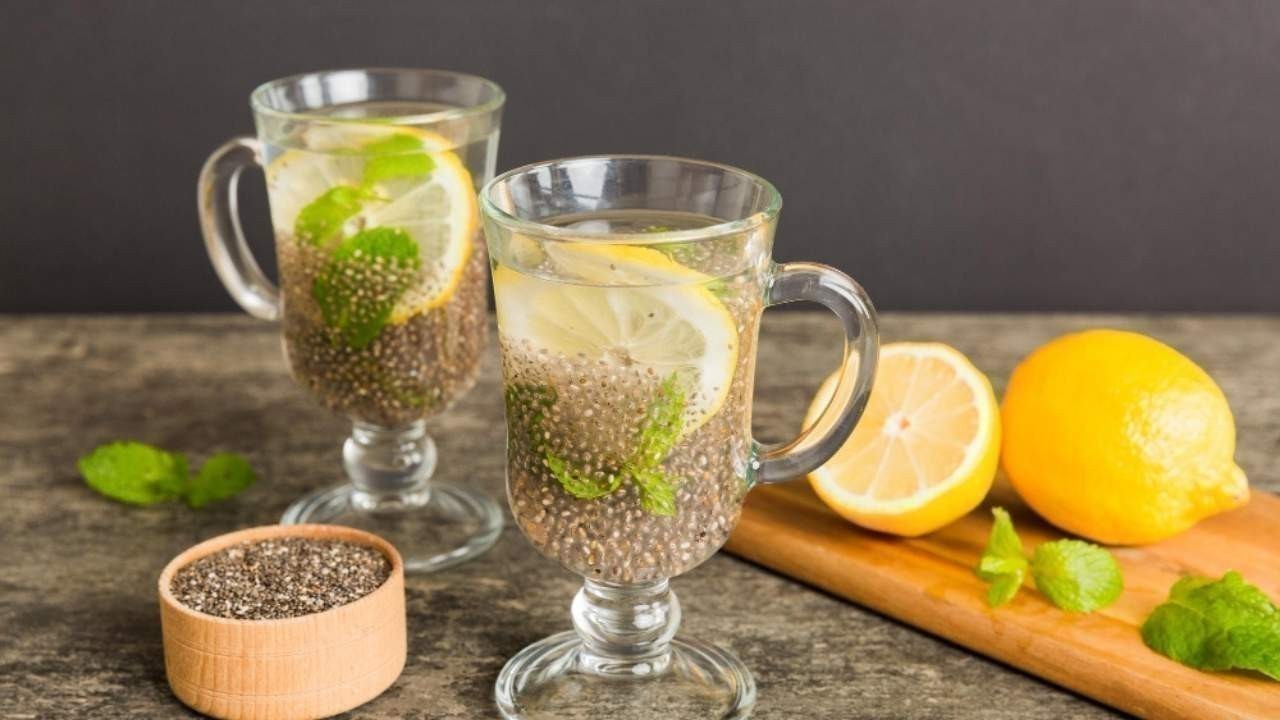
Why Drinking Soaked Chia Seeds Water With Lemon and Honey Before Breakfast Matters
Drinking soaked chia seeds water with lemon and honey before breakfast may support digestion hydrati
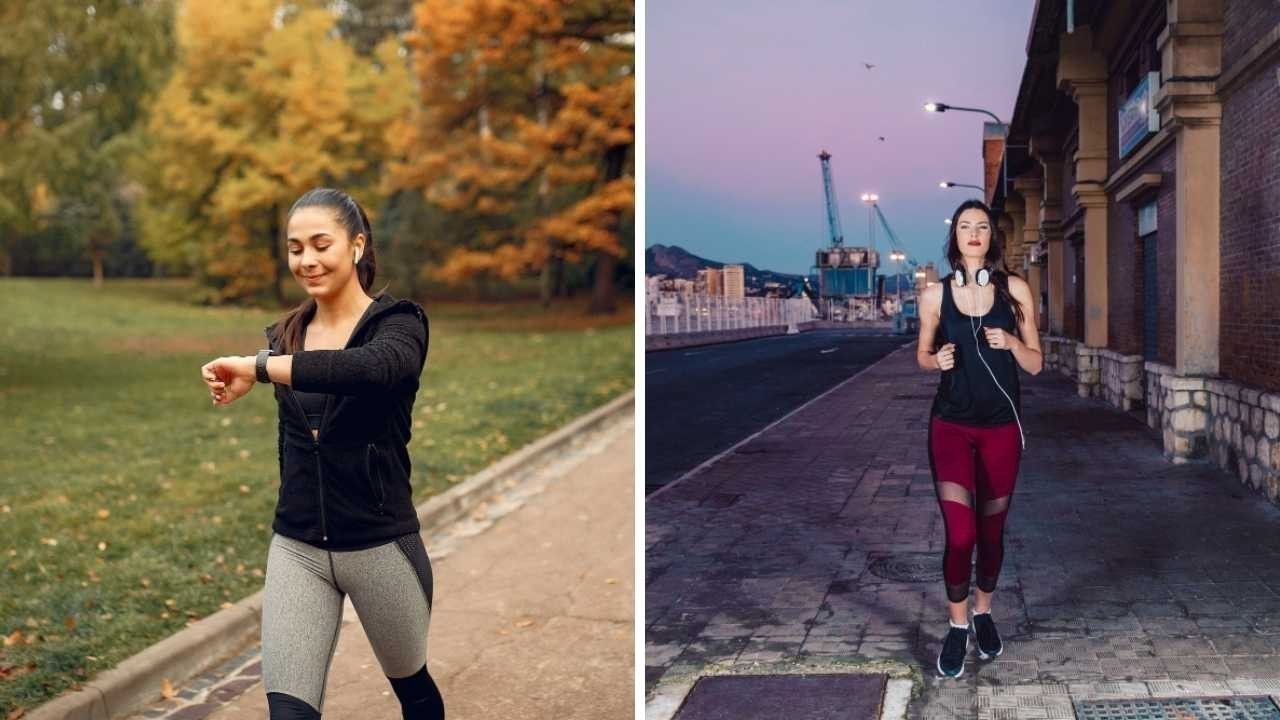
Morning Walk vs Evening Walk: Which Helps You Lose More Weight?
Morning or evening walk Learn how both help with weight loss and which walking time suits your body
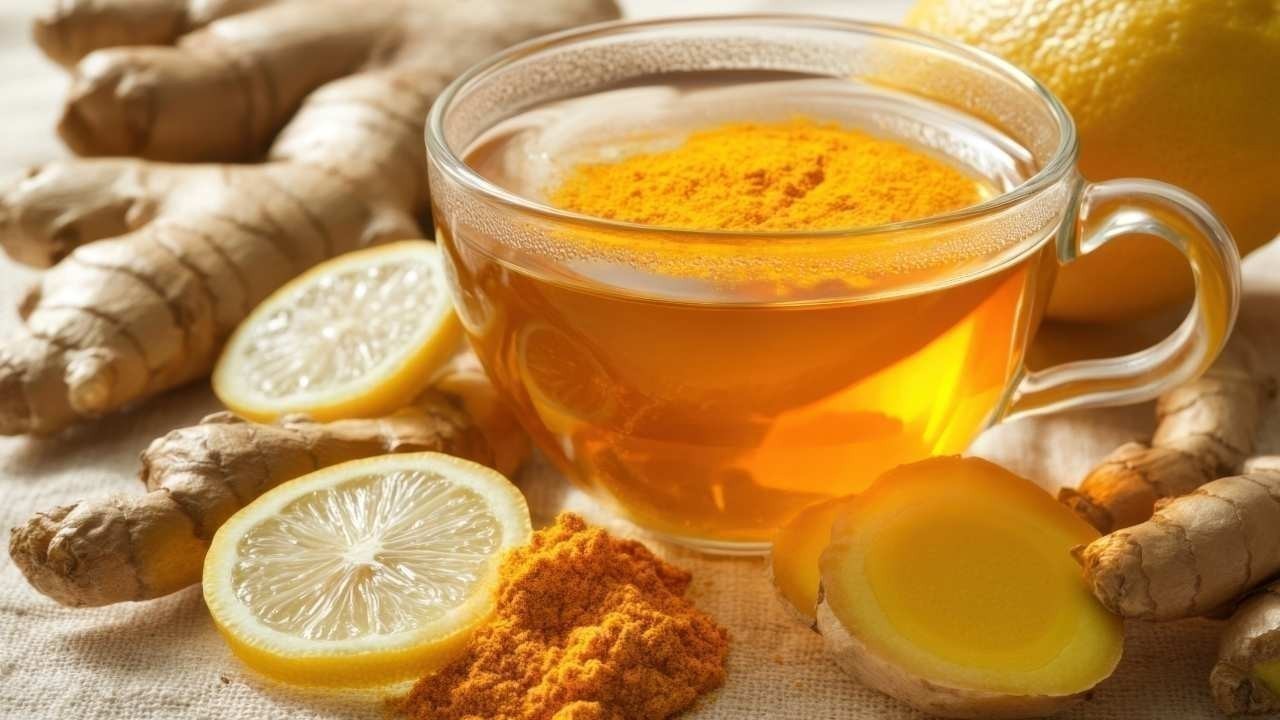
What Really Happens When You Drink Lemon Turmeric Water Daily
Discover what happens to your body when you drink lemon turmeric water daily including digestion imm

DXB News Network Presents “Ctrl+Alt+Wim”, A Bold New Satirical Series Starring Global Entertainer Wim Hoste
DXB News Network premieres Ctrl+Alt+Wim, a bold new satirical micro‑series starring global entertain
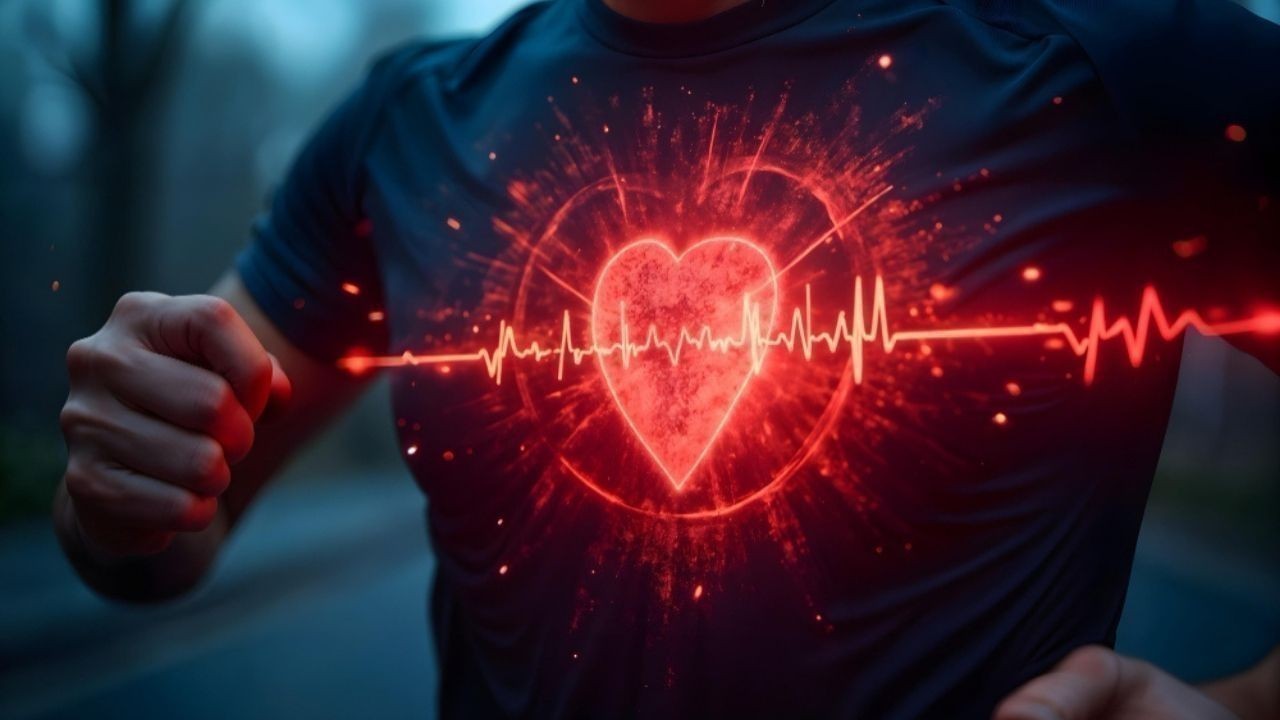
High Heart Rate? 10 Common Causes and 10 Natural Ways to Lower It
Learn why heart rate rises and how to lower it naturally with simple habits healthy food calm routin

10 Simple Natural Remedies That Bring Out Your Skin’s Natural Glow
Discover simple natural remedies for glowing skin Easy daily habits clean care and healthy living ti

Mattel Revamps Masters of the Universe Action Figures for Upcoming Film
Mattel is set to revive Masters of the Universe action figures in sync with their new movie, ignitin

China Executes 11 Members of Infamous Ming Family Behind Myanmar Scam Operations
China has executed 11 Ming family members, linked to extensive scams and gambling in Myanmar, causin