Post by : Luxmi Verma
How the Evolution of Family Traditions in Isolated Societies Shapes Culture
Family traditions are an important part of every culture, passed down through generations, shaping identities and social bonds. However, when we think of traditions, we often picture practices in well-known, urbanized societies. But the evolution of family traditions in isolated societies provides a fascinating insight into how cultures adapt and thrive even in remote, closed-off environments.
Isolated societies have been defined by their separation from the mainstream world. Whether it's due to geographical barriers, political isolation, or a decision to maintain cultural purity, these societies tend to have their unique traditions that can evolve in ways that are distinct from urbanized cultures. The changes and challenges faced by these families in isolated communities are a window into how heritage survives and adapts.
The Importance of Family Traditions in Isolated Societies
In isolated communities, family traditions are more than just ceremonial acts—they are the foundation of survival. They help bind individuals to a sense of belonging and provide a means to transmit knowledge, values, and customs across generations. These traditions serve as both a social glue and a way to maintain identity in a rapidly changing world.
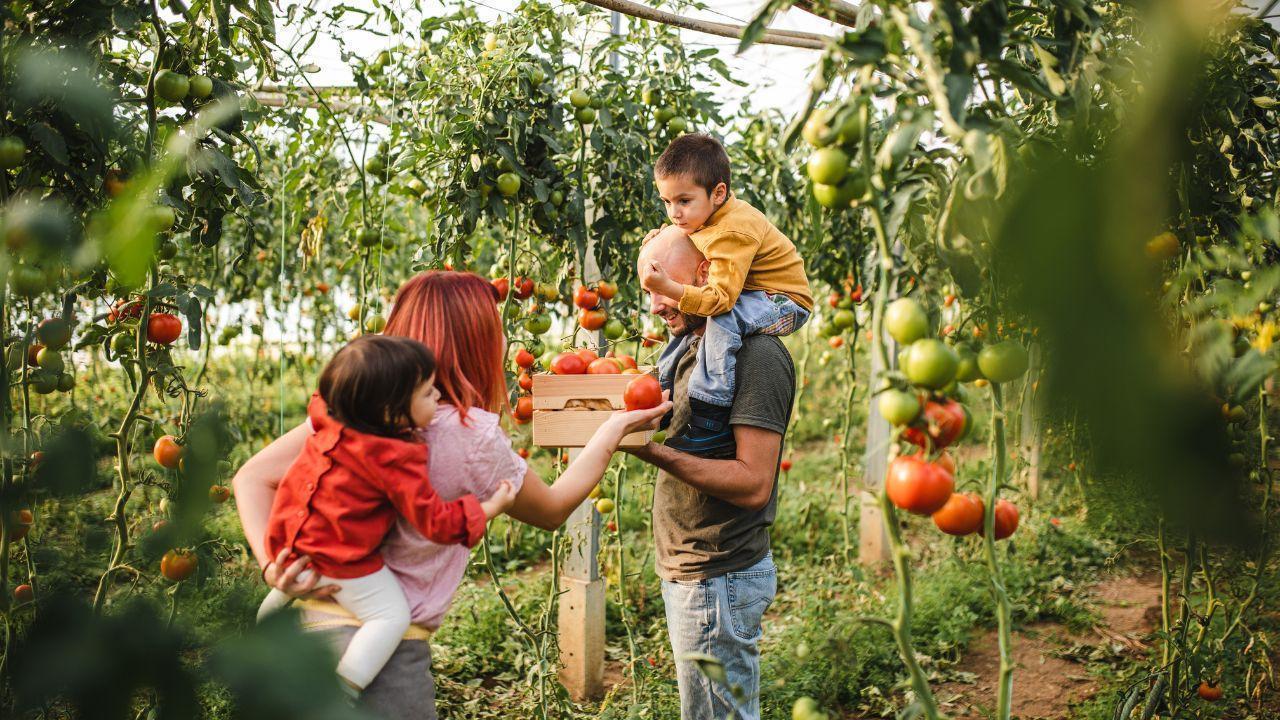
For example, in small, remote villages, family traditions often revolve around agricultural cycles, seasonal rituals, or spiritual practices that tie families together in a shared history. Through these practices, younger generations learn important skills and understand their place in the world.
How Isolation Shapes Family Traditions
Isolation plays a key role in shaping family traditions in these societies. Being removed from the influence of large cities and modern technology, families in isolated areas often rely on traditional methods for their survival. As a result, their traditions remain rooted in their environment and history.
In some societies, isolation has allowed for the preservation of ancient practices. For instance, certain Indigenous tribes in the Amazon rainforest continue to practice traditional hunting methods, passed down over centuries. This way of life has not changed much over time, because the community values continuity and rejects outside influence. The traditional knowledge related to the flora and fauna of the region is considered sacred and is passed on from parent to child.
Adaptation of Traditions in a Modern World
Despite their isolation, these societies are not immune to the influence of modernity. Over time, even isolated cultures must adapt to external pressures, whether from environmental changes, technological advancements, or the encroachment of outside economies. This is where the evolution of family traditions in isolated societies becomes intriguing.
For instance, in remote villages in the Himalayas, once purely oral traditions are now being documented in written form as a way of preserving them for future generations. While the core of these traditions remains unchanged, families are using new tools to ensure their customs are not lost.
Similarly, in some Pacific Island communities, family traditions related to fishing and sailing have evolved with the introduction of modern tools, but the core principles—respect for the sea, sustainability, and community collaboration—remain intact.
Challenges Faced in Preserving Family Traditions
Preserving family traditions in isolated societies is not without its challenges. One major issue is the loss of traditional knowledge as older generations pass away. In many cases, younger generations are moving to urban centers for education or better job opportunities, which creates a gap in the transmission of customs.
In isolated regions, limited access to educational resources can also hinder the continuity of traditions. However, some communities are taking active steps to reverse this trend. Many families are now prioritizing the teaching of traditional practices, languages, and ceremonies at home or within community settings.
Furthermore, new media, technology, and consumer goods brought about by globalization have an impact on the choices of young people. Through communication and recording, technology can assist maintain traditions, but it can also cause old ways of life to disappear. Families in these remote places continue to attempt to strike a balance between modernization and tradition.
The Role of Family Elders in Maintaining Tradition
In many isolated societies, family elders play a crucial role in maintaining the continuity of traditions. They are seen as the keepers of history and knowledge. Elders often lead ceremonies, teach traditional skills, and provide guidance on how to live according to cultural values.
As isolated communities adapt to modern life, the role of elders becomes even more significant. They serve as the bridge between the old ways and new influences, ensuring that traditions evolve while still maintaining their core meaning.
Elders in many African tribes, for instance, still carry out rites of passage and impart traditional values like accountability, respect, and community cohesion. Younger members of society benefit greatly from these rites, which aid in their understanding of their cultural history.
The Future of Family Traditions in Isolated Societies
In the future, the harmony between adaptation and preservation will continue to shape the development of family customs in remote communities. Many remote communities are adamant about preserving the traditions that make up their cultural identity, even if some will surely alter.
In today’s globalized world, families in isolated societies are finding new ways to preserve their traditions. They are using technology to document their languages, share cultural practices with the world, and educate younger generations about their heritage. Whether it's through digital archives, cultural centers, or intergenerational storytelling, these efforts ensure that traditions will continue to thrive.
Summary:
This article explores the evolution of family traditions in isolated societies, shedding light on how remote communities preserve and adapt their cultural practices over time. These traditions serve as essential parts of survival, identity, and social structure. While isolation has allowed some customs to remain unchanged, globalization and modern technology present both challenges and opportunities for these societies. The article highlights how elders play a crucial role in passing down traditions, and how families are using new tools to ensure that their heritage is not lost. The future of these traditions depends on the balance between maintaining cultural identity and adapting to modern influences.
Disclaimer:
The content in this article is for informational purposes only. The views expressed do not represent the official stance of DXB News Network. Readers are encouraged to conduct further research or consult experts when seeking more detailed insights into the preservation of family traditions and cultural heritage. The information is based on general trends and may vary across different isolated communities. Always approach the preservation of cultural heritage with respect for local practices and customs.

Qatar, Italy Leaders Discuss Regional Stability & Energy Ties
Qatar’s Emir and Italy’s Prime Minister discuss regional stability, energy security, and economic co

Danube Launches Signature Master-Planned Community
Danube Properties unveils Greenz By Danube in Dubai, offering luxury villas, townhouses, 50+ ameniti

Neoterra breaks ground on ELMORA, unveils new project
Neoterra begins ELMORA construction in Jumeirah Garden City and announces a new residential project

WINGIE Launches AI Refund System for Airline Travelers
WINGIE introduces AI-driven refund technology, enabling seamless, fully digital airline refund proce

Dubai property sales surge to AED176.7B in Q1 2026
Dubai records AED176.7B property sales in Q1 2026, with rising values, steady transaction growth and

Russia Strikes Northeast Ukraine, 4 Killed, 11 Injured
Russian drone and missile attacks on northeast Ukraine killed 4 and injured 11, with major strikes r

Selena Gomez Leads Candy Pink Trend in 2026 Fashion
Selena Gomez embraces candy pink fashion at a Rare Beauty event, highlighting 2026’s biggest color t


UAE Art Show in Seoul Challenges Stereotypes
Exhibition in Seoul highlights diverse UAE art, moving beyond luxury stereotypes to explore identity

Starbucks Strikes Major Partnership for China Growth
Starbucks teams with Boyu Capital, selling a majority stake in China unit to ramp up store growth an

Couple Among Three Charged in Massive Meth Trafficking Case in Malaysia
Three charged in Malaysia for trafficking 510kg of meth; if convicted, they could face severe penalt

Murder Suspect Returns to Geylang Crime Scene for Investigation
Singapore police revisit Geylang as a 48-year-old suspect faces charges in the fatal stabbing of a 7

NASA Launches Artemis II Crew for 10-Day Lunar Mission
NASA launches Artemis II with four astronauts for a 10-day Moon mission, marking the first crewed lu

Dubai RTA, Ministry Partner for Family First Programme
Dubai RTA and Ministry of Family partner to enhance transport, urban spaces, and services under Fami

Bank of Baroda Faces Abu Dhabi Legal Battle over NMC Collapse
Bank of Baroda’s involvement in Abu Dhabi litigation tied to the NMC Healthcare collapse raises repu
Top Museum Openings of 2026 Set to Transform Global Tourism
From Los Angeles to Abu Dhabi and Brussels, 2026 brings major museum launches—Lucas Museum, Guggenhe